
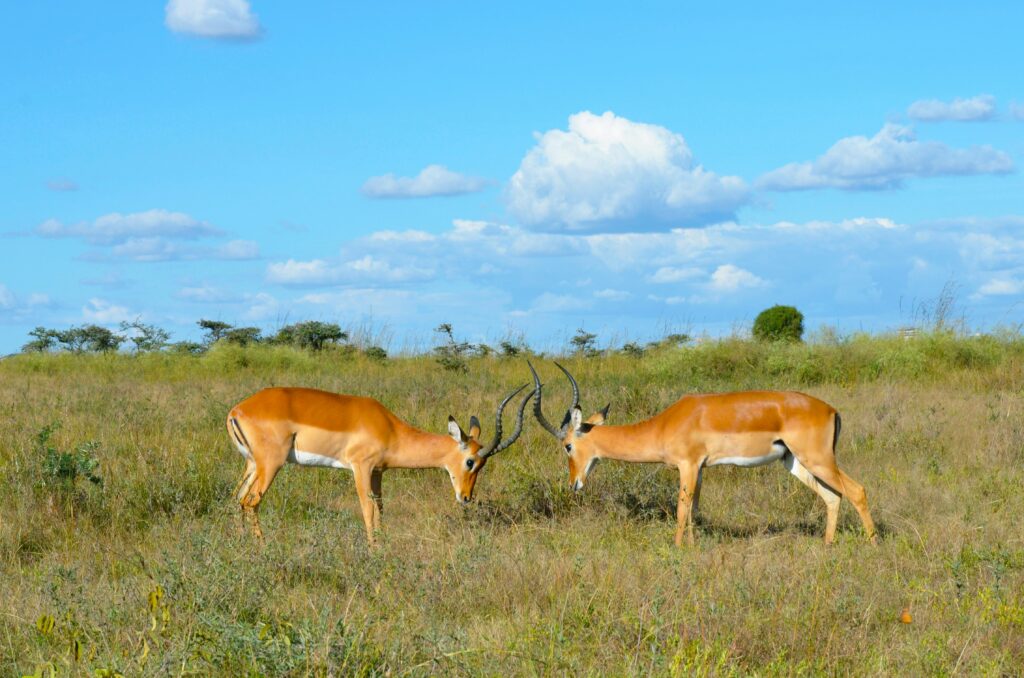
Choosing between a half day vs full day Nairobi National Park safari is one of the most common decisions travelers face when planning a wildlife experience in Kenya’s capital. Nairobi National Park is the only national park in the world located directly next to a major city, offering a unique opportunity to see lions, rhinos, giraffes, and other wildlife against the backdrop of Nairobi’s skyline.
Both half day Nairobi National Park tours and full day Nairobi National Park safaris provide exceptional wildlife experiences, but they differ significantly in duration, route coverage, wildlife sightings, cost, and overall immersion.
This comprehensive guide explains the differences between half day and full day safaris in Nairobi National Park, including wildlife viewing probabilities, safari routes, pricing considerations, and which safari duration is best for different travelers.
Understanding Nairobi National Park Duration-Based Safaris Options:
Types of Safari Experiences Available
Visitors typically choose between two main safari durations:
- Half day Nairobi National Park safari
- Full day Nairobi National Park safari
Additional variations include:
- https://nairobipark.org/half-day-nairobi-national-park-tour/Morning half day safari
- Afternoon half day safari
- Extended wildlife photography safaris
- Multi attraction safari combinations
Each safari type offers different advantages depending on time availability, wildlife goals, and travel schedule.
Game Drive Basics in Nairobi National Park
A safari in Nairobi National Park typically involves a guided game drive in a safari vehicle, often a 4×4 Land Cruiser with a pop up roof for wildlife viewing and photography.
Important aspects of game drives include:
- Access to a large network of dirt tracks across the park
- Strategic routing to maximize wildlife sightings
- Experienced guides tracking animal movement
- Stops for photography and observation
Safari vehicles allow access to areas where wildlife activity is most likely during different times of the day.
Half Day vs Full Day Nairobi National Park Tour Key Differences
Safari Duration Comparison
| Attribute | Half Day Safari | Full Day Safari |
|---|---|---|
| Duration | 4 to 5 hours | 8 to 10 hours |
| Park Coverage | Limited sections | Nearly entire park |
| Wildlife Sightings | Moderate | Highest probability |
| Photography Time | Limited | Extensive |
| Experience Depth | Short wildlife introduction | Complete safari experience |
A short safari vs long safari experience differs primarily in how much of the park can be explored and how much time guides have to locate wildlife.
Time Comparison
Wildlife activity in Nairobi National Park varies throughout the day.
- Peak predator activity
- Lions returning from night hunts
- Hyenas active near dens
- Herbivores grazing in open plains
Midday
- Reduced predator activity
- Large herbivores resting or grazing
Afternoon Safari
- Wildlife becomes active again
- Excellent lighting for photography
Because a full day safari covers multiple wildlife activity periods, it significantly increases the probability of sightings.
Half Day Option is Shorter by Half
What Is a Half Day Safari Option?
A half day Nairobi National Park safari typically lasts 4 to 5 hours, making it ideal for travelers with limited time.
This short safari offers an introduction to the park’s wildlife and landscapes while still allowing visitors to see several iconic African animals.
Typical safari structure:
- Hotel pickup in Nairobi
- Game drive through central wildlife areas
- Wildlife observation and photography stops
- Return to hotel or next destination
Morning Option:
The early morning safari is widely considered the best half day option.
Typical pickup times range from 5:45 AM to 6:30 AM, allowing visitors to enter the park around sunrise.
Wildlife highlights may include:
- Lions resting after nighttime hunts
- Hyenas moving between territories
- Rhinos grazing in open grassland
- Buffalo and zebra herds in the plains
Morning light also provides excellent conditions for photography.
Afternoon Half Day Nairobi National Park Safari
Afternoon safaris usually begin around 1:30 PM to 2:30 PM.
Advantages include:
- Comfortable temperatures
- Wildlife becoming active again later in the afternoon
- Golden hour photography near sunset
Although wildlife sightings can still be excellent, predator activity is typically higher in the early morning.
Half Day Safari Itinerary
Because of the limited time available, guides focus on wildlife hotspots such as:
- Central savannah plains
- Hyena Dam region
- Impala observation areas
- Riverine forest corridors
These areas provide good opportunities to see:
- Rhinos
- Giraffes
- Zebras
- Gazelles
Animals Seen on the Shorter Safari Option:
Common sightings include:
- White rhino
- Masai giraffe
- Burchell zebra
- Buffalo
- Thomson gazelle
- Grant gazelle
- Ostrich
Occasionally visitors may also encounter:
- Lions
- Hyenas
- Jackals
If you decide a shorter safari fits your schedule, you can view the full itinerary, inclusions, and availability for the Half-Day Nairobi National Park Tour.
Cost for Shorter Option
The half day Nairobi National Park safari cost with NairobiPark.org ranges from $180 per person for a solo traveler to $45 per person for a group of seven, with the price decreasing as more guests share the private safari vehicle. A typical group of four pays $70 per person ($280 total) for a 4–5 hour private game drive in a 4×4 Land Cruiser with a professional driver-guide.
The price includes fuel, insurance, driver and vehicle park entry fees, and drinking water during the safari, ensuring transparent pricing with no hidden charges or undisclosed taxes. The only additional cost is the guest park entry ticket, which must be purchased separately through the Kenya Wildlife Service eCitizen platform before the safari.
Because the tour uses per-person pricing rather than per-vehicle pricing, larger groups significantly reduce the cost per person, making the half day safari one of the most accessible and cost-efficient wildlife experiences in Nairobi.
Pricing depends on several factors:
- Private vs shared safari vehicle
- Group size
- Vehicle type
- Park entry fees
Typical half day safari pricing structures include private tours or shared group safaris.
Who Should Choose the Shorter Option?
Half day safaris are ideal for:
- Travelers with airport layovers
- Visitors with limited time in Nairobi
- Business travelers
- Families with tight schedules
The Full Day Safari Option:
What the Full Day Option is About:
A full day safari typically lasts 8 to 10 hours, allowing guides to explore much larger sections of the park.
This extended safari offers:
- Maximum wildlife viewing opportunities
- Greater chance of spotting predators
- Access to remote areas rarely reached on short safaris
The Extended Drive Experience in the Longer Full Day Option:
A full day safari usually includes:
Morning game drive
- Predator tracking
- Early wildlife sightings
Midday exploration
- Scenic areas
- Wildlife observation stops
Afternoon drive
- Searching for predators
- Late afternoon wildlife activity
Because guides have more time to track animals, wildlife sightings are significantly improved.
Longer Route for Game Viewing:
Full day safaris can reach more remote sections including:
- Southern plains
- Athi Basin grasslands
- Riverine forests
- Remote savannah areas
These areas often hold wildlife that shorter safaris cannot reach.
Animals Seen on Extended Drive
A full day safari significantly increases chances of seeing:
- Lions
- Cheetahs
- Black rhinos
- Hyenas
- Buffalo herds
- Giraffes
Occasionally:
- Leopards
Because guides have more time to track animals across the park.
Wildlife Viewing Advantages of the Full Day Option
The longer safari duration allows guides to:
- Track predator movement
- Follow wildlife migration patterns within the park
- Explore distant wildlife hotspots
This makes full day safaris the best choice for wildlife enthusiasts and photographers.
Wildlife Viewing Advantages During Full Day Option:
A full day Nairobi National Park safari allows guides to cover a much wider section of the park’s road network and reach areas that are rarely visited during short 4–5 hour drives. With 8–10 hours inside the park, guides can move between key wildlife habitats such as the central plains, Hyena Dam wetlands, Kingfisher Picnic Site woodlands, Athi Basin grasslands, and the southern boundary plains near the Kitengela migration corridor.
Why Longer Safaris Increase Wildlife Sightings
Wildlife sightings improve during longer safaris because guides can explore multiple habitats across the park rather than staying within a limited radius of the main gates.
A full day safari often includes exploration of areas such as:
- Hyena Dam – one of the most productive wildlife areas for rhinos, buffalo, and water birds
- Impala Observation Point – a scenic viewpoint overlooking grazing plains frequently used by giraffes and gazelles
- Kingfisher Picnic Site – woodland habitat where monkeys, birds, and occasionally predators are spotted
- Leopard Tree area – a well known location where leopards have occasionally been seen resting
- Athi Basin Dam and southern plains – expansive grasslands where buffalo, zebra, and sometimes lions roam
Because animals move between these habitats throughout the day, covering several of these areas dramatically increases the probability of sightings.
Wildlife Movement Patterns
Wildlife in Nairobi National Park shifts location during the day depending on temperature and food availability.
Typical movement patterns include:
Early morning
Animals graze in the central open plains near the Ivory Burning Site and Impala Observation Point, where visibility is high and predators are easier to detect.
Midday
Many species move toward shaded woodland areas such as Kingfisher Picnic Site, Mokoiyet Picnic Site, and riverine vegetation near Hyena Dam.
Late afternoon
Wildlife often returns to open grasslands, particularly the southern plains toward Athi Basin and the Kitengela migration corridor, where grazing conditions are favorable.
A full day safari allows visitors to observe these shifts across several different habitats.
Seasonal Wildlife Movements Within the Park
Although Nairobi National Park is relatively compact, seasonal rainfall patterns influence where wildlife concentrates.
During wet months
Animals disperse across the park, with grazing commonly seen across the central plains and areas around Athi Basin Dam.
During drier periods
Wildlife tends to concentrate around areas with water and green vegetation, particularly:
- Hyena Dam
- Athi Basin Dam
- Riverine vegetation corridors
Full day safaris allow guides to move between these areas depending on where wildlife activity is highest.
Predator Tracking Opportunities
Predator sightings often require active tracking rather than random driving.
Guides search for signs such as:
- Fresh lion tracks along the dirt roads near the southern plains and Athi Basin
- Alarm calls from antelope around Impala Observation Point
- Vultures circling above possible kills
Because lions and hyenas frequently move across large territories in the park, longer safaris allow guides to follow these clues across multiple areas until the predators are located.
Full Day Itinerary Example
A typical full day Nairobi National Park safari follows wildlife activity patterns and moves between several key landmarks within the park.
Morning: Sunrise Game Drive and Predator Search
Early morning safaris usually focus on open plains where predators are most visible.
Typical locations visited include:
- Central plains near the Ivory Burning Monument
- Impala Observation Point overlooking grazing herds
- Leopard Tree area, known for occasional leopard sightings
During this period guides often search for:
- Lions returning from night hunts
- Hyenas moving between territories
- Rhinos grazing in the open grasslands
Morning light also provides excellent wildlife photography conditions.
Midday: Scenic Stops and Wildlife Photography
As temperatures increase, animals tend to move toward shaded habitats.
Midday safari routes often include:
- Hyena Dam for rhinos, buffalo, and water birds
- Kingfisher Picnic Site for woodland wildlife and birdlife
- Mokoiyet Picnic Site, a quiet location for scenic views and short rest stops
These areas allow visitors to observe wildlife while enjoying the park’s landscapes.
Afternoon: Tracking Larger Mammals and Late Activity
During the afternoon safari guides often drive toward the southern sections of the park, which receive fewer visitors and hold large grazing herds.
Common exploration areas include:
- Athi Basin Dam
- Southern plains near the Kitengela migration corridor
- Open grasslands used by buffalo, giraffes, and zebras
As temperatures cool, predators may begin moving again, creating opportunities for late afternoon sightings.
Travelers wanting extended wildlife exploration can review details and availability for the Full-Day Nairobi National Park Safari Tour.
Full Day Cost:
The full day Nairobi National Park safari cost with NairobiPark.org ranges from $250 for a solo traveler to $60 per person for a group of seven, with the price decreasing as more guests share the same private safari vehicle. A typical group of four pays $92.5 per person ($370 total) for an 8–10 hour private game drive in a 4×4 Land Cruiser with a professional driver-guide.
The price includes the private Land Cruiser safari vehicle, professional driver-guide, fuel, insurance, driver and vehicle park entry fees, drinking water, and government taxes. The only cost not included is the guest park entry ticket, which must be purchased separately through the Kenya Wildlife Service eCitizen system prior to the safari. Assistance can be provided with ticket purchase if guests share their passport or ID details and ticket fee in advance.
Because the safari uses per-person pricing rather than a flat vehicle fee, the cost becomes significantly more affordable for larger groups. As group size increases from one to seven guests, the per-person price drops by over 75 percent, making the full day safari particularly cost-effective for families and small groups seeking a complete wildlife exploration of Nairobi National Park.
Factors affecting price include:
- Private vehicle vs shared safari
- Group size
- Guide experience
- Park entry fees
Full day safaris are generally more expensive but provide significantly greater value in terms of wildlife encounters.
Wildlife Sightings Half Day vs Full Day Safari
Safari Duration and Wildlife Probability
| Wildlife | Half Day Safari | Full Day Safari |
|---|---|---|
| Lions | Possible | Higher probability |
| Cheetahs | Rare | Possible |
| Rhinos | Common | Common |
| Giraffes | Common | Common |
| Hyenas | Occasional | Frequent |
| Buffalo | Common | Common |
Wildlife Activity by Time of Day
Wildlife behavior in Nairobi National Park follows predictable daily cycles.
Early morning
Predators are often seen near the central plains and open grasslands near the Ivory Burning Site.
Midday
Herbivores gather near water sources such as Hyena Dam and Athi Basin Dam.
Afternoon
Wildlife becomes active again in open grazing areas across the southern plains near the migration corridor.
Best Safari Duration for Lions in Nairobi National Park
Lions in Nairobi National Park often occupy territories that include:
- Central plains
- Southern grasslands near Athi Basin
- Areas near the Kitengela migration corridor
Because these territories cover large areas, locating lions may require moving between several parts of the park, which is far easier during a full day safari.
Rhino Sightings in Nairobi National Park
Nairobi National Park is one of the most reliable places in Kenya to see rhinos.
Common rhino viewing areas include:
- Hyena Dam region
- Open plains with short grass
- Sections with high visibility across the savannah
The park’s strong anti-poaching protection and habitat management have allowed rhino populations to thrive.
Best Safari for Wildlife Photography
A full day safari provides major advantages for photographers because it allows access to multiple landscapes and lighting conditions.
Advantages of Longer Safaris
Photographers can visit several iconic locations such as:
- Impala Observation Point for panoramic savannah views
- Hyena Dam for wildlife near water
- Southern plains near Athi Basin for dramatic wildlife landscapes
Lighting Conditions Throughout the Day
Morning
Soft light across the central plains, ideal for predator photography.
Midday
Bright lighting for landscapes, birds, and large grazing herds.
Late afternoon
Golden hour light over the southern plains, creating dramatic wildlife silhouettes against the Nairobi skyline.
Safari Planning and Logistics for Half vs Full
How Long Should a Nairobi National Park Safari Be
The ideal safari duration depends on:
- Time available in Nairobi
- Interest in wildlife photography
- Desired wildlife experience
Planning the Perfect Nairobi Safari Duration
Consider:
- Wildlife goals
- Travel schedule
- Weather conditions
Nairobi National Park Safari Start Times
Typical safari start times include:
Morning safari
- Early departures at sunrise at 6 AM
Afternoon safari
- Early afternoon departures at 1 PM
Safari Routes and Distances
Nairobi National Park contains an extensive network of tracks allowing guides to move between wildlife areas efficiently.
Nairobi National Park Half vs Full Day Safari Cost Comparison
Half Day vs Full Day Safari Cost Comparison
The key difference between the two safari options lies in duration and wildlife coverage.
Pricing Comparison Table
| Guests | Half Day Price Per Person | Full Day Price Per Person | Price Difference |
|---|---|---|---|
| 1 | 180 | 250 | 70 |
| 2 | 100 | 135 | 35 |
| 3 | 80 | 110 | 30 |
| 4 | 70 | 92.5 | 22.5 |
| 5 | 60 | 76 | 16 |
| 6 | 50 | 65 | 15 |
| 7 | 45 | 60 | 15 |
Key Pricing Insights
Several patterns emerge when comparing the two options.
1. The price difference decreases with larger groups
For solo travelers the difference is 70 USD, while for larger groups the difference drops to approximately 15 USD per person.
2. Full day safaris provide significantly more park exploration
A full day safari typically covers two times the driving duration of a half day safari.
3. Wildlife sighting probability increases with time
Because guides have more hours to track wildlife, longer safaris improve chances of seeing predators such as lions and cheetahs.
Cost Per Hour Comparison
Another useful way to evaluate safari value is cost per hour of wildlife exploration.
| Safari Type | Duration | Typical Price Per Person 4 Guests | Approx Cost Per Hour |
|---|---|---|---|
| Half Day Safari | 4 to 5 hours | 70 USD | 14 to 17 USD |
| Full Day Safari | 8 to 10 hours | 92.5 USD | 9 to 11 USD |
This shows that full day safaris often provide better value per hour, despite the higher total price.
- Half Day vs Full Day Nairobi National Park Safari Pricing Comparison
- Overall safari price difference: The full day Nairobi National Park safari costs approximately $15–$70 more per person than the half day safari, depending on group size. For example, a solo traveler pays $180 for a half day safari vs $250 for a full day safari, while a group of seven pays $45 per person for half day vs $60 per person for full day, meaning the price difference drops significantly as the group size increases.
- Price structure and group size effect: Both tours use per person pricing rather than per vehicle pricing, meaning the cost decreases as more guests share the same private Land Cruiser. For instance, the half day safari drops from $180 for one traveler to $45 per person with seven guests, while the full day safari decreases from $250 to $60 per person with seven guests, making larger groups the most cost-efficient way to experience either safari.
- Duration impact on safari pricing: The price difference reflects the longer operational time of a full day safari, which lasts 8–10 hours compared to 4–5 hours for a half day safari. This longer duration means more guide time, more fuel usage, and the ability to cover a much larger portion of the park’s track network.
- Cost per hour comparison: When calculated by time spent inside the park, the full day safari often provides better value per hour of wildlife viewing. For example, with four guests sharing a vehicle, a half day safari costs about $70 per person for roughly 4–5 hours ($14–$17 per hour), while a full day safari costs $92.5 per person for roughly 8–10 hours ($9–$11 per hour).
- What the safari price includes: Both half day and full day tours include a private 4×4 Land Cruiser safari vehicle, professional driver-guide, driver and vehicle park entry fees, fuel, insurance, and drinking water during the safari. The only cost not included in either option is the guest park entry ticket, which must be purchased through the Kenya Wildlife Service eCitizen platform.
- Value difference between short and long safaris: Although the half day Nairobi National Park safari has the lower total price, the full day safari offers greater overall value for wildlife viewing, since the longer time inside the park increases the chance of locating predators, exploring remote wildlife areas such as the southern plains and Athi Basin, and observing wildlife activity during multiple periods of the day.
| Safari Type | Duration | Typical Value |
|---|---|---|
| Half Day Safari | 4 to 5 hours | Budget friendly |
| Full Day Safari | 8 to 10 hours | Best wildlife value |
Private vs Shared Safari Cost
Private safari advantages
- Flexible schedule
- Personalized wildlife tracking
- Better photography opportunities
Shared safari advantages
- Lower cost
- Social experience
Combined Tour Options with Nairobi National Park Safari
Many visitors combine a safari with nearby attractions.
Popular combinations include:
Nairobi Safari and Giraffe Centre
Feed endangered Rothschild giraffes after a wildlife safari.
Nairobi Safari and Elephant Orphanage
Visit rescued baby elephants at the Sheldrick Wildlife Trust.
Nairobi Safari and Karen Blixen Museum
Explore the historic home of the author of Out of Africa.
Nairobi Safari and Bomas of Kenya
Experience Kenyan cultural performances and traditional villages.
Best Safari Duration for Different Travelers
| Traveler Type | Recommended Safari |
|---|---|
| Airport layover visitors | Half day safari |
| First time safari travelers | Full day safari |
| Wildlife photographers | Full day safari |
| Families with children | Half day safari |
| Safari enthusiasts | Full day safari |
Frequently Asked Questions
How long is a Nairobi National Park safari
Safaris typically last 4 to 5 hours for half day tours and 8 to 10 hours for full day safaris.
Is a half day safari enough
Yes, a half day safari offers a great introduction to the park and often includes sightings of rhinos, giraffes, and zebras.
Is a full day safari worth it
A full day safari significantly increases the chance of seeing predators such as lions and cheetahs.
What animals can you see
Visitors commonly see rhinos, giraffes, zebras, buffalo, gazelles, ostriches, and occasionally lions and hyenas.
What time is best for safari
Early morning offers the highest wildlife activity.
Final Recommendation Half Day vs Full Day Nairobi National Park Safari
When to Choose a Half Day Safari
Choose a half day safari if:
- You have limited time in Nairobi
- You want a quick wildlife experience
- You are combining the safari with other attractions
When to Choose a Full Day Safari
Choose a full day safari if:
- You want the highest wildlife viewing probability
- You are interested in wildlife photography
- You want a deeper safari experience
Expert Recommendation
For most travelers, a full day Nairobi National Park safari provides the most complete wildlife experience. However, half day safaris remain an excellent option for visitors with limited time who still want to experience Kenya’s remarkable wildlife close to the city.
Nairobi National Park offers a unique safari experience right on the edge of Kenya’s bustling capital. Choosing between a half-day or full-day game drive can impact your wildlife sightings, comfort, and overall experience. Here’s a detailed guide to help you decide which option suits you best.
Half-Day Game Drive
Duration: Typically 4-5 hours, usually in the morning (6:00 AM – 10:00 AM) or afternoon (2:00 PM – 6:00 PM)
Key Highlights:
- Convenience for Short Visits: A half-day game drive is perfect for travelers with limited time, as it allows you to experience Nairobi National Park in a few hours without needing to dedicate an entire day.
- Optimal Wildlife Activity: Morning and late afternoon hours are often the best times to spot active wildlife. Predators such as lions and leopards are more active during these cooler hours, while herbivores and birds are out feeding.
- Lower Cost: Half-day tours are generally less expensive than full-day options, making them ideal for budget-conscious travelers or those combining other activities within the same day.
- Flexibility: With a shorter duration, you can plan other activities around your half-day game drive, like visiting the David Sheldrick Elephant Orphanage, the Giraffe Centre, or the Karen Blixen Museum.
What to Expect: During a half-day drive, guides typically focus on key areas known for wildlife sightings. You may see lions, giraffes, zebras, rhinos, and a variety of bird species. However, because time is limited, you may not cover the entire park or see more elusive species, as some areas may be out of reach within a few hours.
Best For:
- Travelers with limited time in Nairobi
- Visitors on a budget
- Those who prefer shorter excursions or have other plans for the day
Full-Day Game Drive
Duration: Typically 8-10 hours, from early morning (around 6:00 AM) to late afternoon (around 4:00-5:00 PM)
Key Highlights:
- Comprehensive Experience: A full-day game drive allows you to explore Nairobi National Park in-depth, covering more of the park’s diverse habitats and increasing your chances of seeing a wide variety of wildlife.
- More Opportunities for Sightings: With a full day, you’ll have time to explore the park’s interior, where rarer species or less frequently visited areas may reveal unique sightings. Spending more time in the park also increases your chance of encountering different species as they move throughout the day.
- Relaxed Pace: Full-day drives allow for a slower, more relaxed experience. You’ll have ample time to stop, observe, and photograph wildlife without feeling rushed. A midday break for lunch also allows you to relax and enjoy the scenery.
- Picnic and Lunch Opportunities: Full-day tours often include a picnic or lunch break, either inside the park’s designated picnic areas or at one of the park’s viewpoints. This allows for a leisurely meal surrounded by the park’s natural beauty.
What to Expect: With a full-day game drive, you’re likely to experience different animal behaviors as the day progresses. Mornings are ideal for predator sightings, while afternoons may offer views of animals resting or moving to water sources. You’ll also have the chance to visit more remote areas of the park, increasing your chances of rare sightings.
Best For:
- Wildlife enthusiasts and photographers who want maximum exposure to the park
- Visitors looking for an in-depth safari experience
- Those who prefer a slower pace, allowing for multiple stops and ample photo opportunities
Comparison of Half-Day vs. Full-Day Game Drives
| Feature | Half-Day Game Drive | Full-Day Game Drive |
|---|---|---|
| Duration | 4-5 hours | 8-10 hours |
| Wildlife Sightings | Good, focused on peak activity times | Excellent, covers more ground and time |
| Cost | Lower | Higher |
| Pace | Fast-paced, more targeted | Relaxed, time for multiple stops |
| Area Covered | Limited | Comprehensive |
| Food Options | Usually not included | Lunch or picnic stop included |
| Best For | Short visits, budget travelers | Wildlife enthusiasts, in-depth experience seekers |
Which Option is Right for You?
- Choose a Half-Day Game Drive If:
- You’re on a tight schedule or have limited time in Nairobi.
- You want to combine the game drive with other Nairobi attractions within the same day.
- You prefer a budget-friendly option or a shorter excursion.
- Choose a Full-Day Game Drive If:
- You’re a wildlife enthusiast looking to maximize your experience and sightings.
- You want a more comprehensive exploration of Nairobi National Park.
- You’re interested in taking a relaxed, immersive approach, with time for a picnic or lunch in the park.
Expert Tips for Both Tours
- Book in Advance: Nairobi National Park is a popular destination, and tours can fill up, especially in peak seasons. Booking in advance ensures you secure your preferred timing and guide.
- Arrive Early: The best wildlife sightings often occur early in the morning. Arriving at the park gate before sunrise (around 6:00 AM) can increase your chances of seeing active predators and other wildlife.
- Bring Essentials: Whether you’re on a half-day or full-day tour, bring essentials like sunscreen, binoculars, a camera, and water. For full-day tours, comfortable clothing, snacks, and a packed lunch (if not provided) can enhance the experience.
- Respect Park Rules: Nairobi National Park has strict rules to protect the wildlife and ecosystem. Always stay within designated paths, avoid loud noises, and listen to your guide’s instructions.
Recommended Routes and Activities for Half-Day vs. Full-Day Safari at Nairobi National Park
Whether you have a half-day or a full day to explore Nairobi National Park, there are specific routes and activities that maximize your chance of seeing the park’s incredible wildlife. Below are expert recommendations tailored to each option, ensuring an efficient and memorable experience.
Half-Day Safari: Recommended Routes and Activities
Best Route: Southern Loop to Main Waterholes
- Ideal Timing: Early Morning (6:00 AM – 10:00 AM) or Late Afternoon (2:00 PM – 6:00 PM)
- Route Description: The Southern Loop is highly recommended for a half-day safari due to its proximity to key waterholes and wildlife-viewing hotspots. Begin at the Main Gate or Langata Gate and follow the route southward toward Hyena Dam, a popular spot for lions, giraffes, hippos, and various bird species.
- Key Stops:
- Hyena Dam: A reliable area for spotting hippos, crocodiles, and large groups of herbivores like zebras and gazelles, especially in the early morning.
- Ivory Burning Site Monument: A symbolic site commemorating Kenya’s commitment to wildlife conservation. This short stop provides insight into Kenya’s history of anti-poaching efforts.
- Leopard Gorge: This area has shaded spots that attract leopards, although sightings are rare and often based on luck. It’s worth a short drive-through if time permits.
Activities:
- Game Viewing: Early morning or late afternoon half-day safaris focus on spotting active predators and grazing herbivores. Lions are often seen along the southern loop near Hyena Dam in the morning, while giraffes, zebras, and antelopes are frequently sighted throughout the day.
- Bird Watching: Nairobi National Park has over 500 bird species. Hyena Dam and surrounding areas are excellent spots to observe waterbirds like herons, kingfishers, and pelicans.
- Photography at Scenic Points: If time permits, stop at scenic viewpoints along the southern loop to capture the park’s landscapes with Nairobi’s city skyline in the background—a unique contrast of urban and wild settings.
Advantages of this Route:
- Efficient Wildlife Viewing: The Southern Loop covers high-traffic areas where wildlife is frequently observed.
- Time-Saving: This route provides access to top wildlife hotspots without requiring long drives, making it perfect for a half-day itinerary.
Full-Day Safari: Recommended Routes and Activities
Best Route: Comprehensive Loop Covering Northern, Central, and Southern Sections
- Ideal Timing: Early Morning (6:00 AM) to Late Afternoon (around 4:00-5:00 PM)
- Route Description: A full-day safari allows you to explore more diverse habitats and cover the park’s north, central, and southern sections. Begin at the Main Gate/ Langata Gate and follow the route southward, exploring the park’s popular waterholes and plains. After lunch, head north to less-visited areas where rare wildlife sightings may occur.
- Key Stops:
- Hyena Dam (South): A morning stop for lions, hippos, and crocodiles.
- Athi Dam (South-Eastern Corner): Known for large groups of herbivores and hippos. Great spot for observing waterbirds and wildlife gathering for water.
- Kingfisher Picnic Site (Central): A scenic spot for lunch and a midday break. Facilities are available for picnicking and resting.
- Forest Area (Northern Section): The northern part of the park has more wooded areas, attracting elusive species like the colobus monkey and leopards. This area offers a different habitat and unique sightings.
Activities:
- Morning and Afternoon Game Drives: Start with a morning game drive along the southern route to spot early risers, including lions, buffaloes, and giraffes. After lunch, head northward for a more relaxed drive through the forested areas and less-visited parts of the park.
- Bird Watching at Athi Dam and Hyena Dam: These locations are ideal for bird enthusiasts, with an abundance of waterbirds like cormorants, pelicans, and kingfishers. The diversity of birdlife at these waterholes is impressive and offers excellent photo opportunities.
- Lunch at a Picnic Site: Pack a lunch and enjoy it at Kingfisher Picnic Site or Leopard Cliff. Both sites offer picturesque views, and a break here is a great way to relax mid-day while soaking in the scenery.
- Ivory Burning Site Monument: A symbolic location emphasizing Kenya’s conservation efforts. Take a short stop to learn more about Kenya’s fight against poaching and commitment to wildlife protection.
- Photography of Diverse Landscapes: A full-day tour allows you to capture the park’s different landscapes, from open savannahs to wooded areas and rivers. The contrast of the natural landscape with Nairobi’s skyline makes for unique photography moments.
Advantages of this Route:
- Thorough Wildlife Coverage: A full-day drive allows you to explore more habitats, improving your chances of spotting a wide range of species, from big cats to rare bird species.
- Leisurely Pace: With ample time, you can stop frequently for photos and enjoy the diverse scenery without feeling rushed.
- Increased Opportunities for Rare Sightings: The northern forested areas, typically less crowded, may offer rare sightings, including leopards and colobus monkeys.
Comparison: Half-Day vs. Full-Day Safari Routes and Activities
| Feature | Half-Day Safari | Full-Day Safari |
|---|---|---|
| Primary Route | Southern Loop to Main Waterholes | Comprehensive Loop (South, Central, North) |
| Key Wildlife Stops | Hyena Dam, Ivory Burning Site | Hyena Dam, Athi Dam, Kingfisher Picnic Site, Forest Area |
| Time for Game Viewing | Focused on morning or afternoon hours | Full day, covering morning, midday, and afternoon |
| Bird Watching | Primarily at Hyena Dam | Athi Dam, Hyena Dam, and other waterholes |
| Scenic Stops | Few, with priority on popular wildlife areas | Multiple stops including picnic sites and viewpoints |
| Recommended Activities | Game drive, bird watching, photography | Game drive, bird watching, lunch picnic, photography, monument visit |
Tips for Maximizing Your Safari Experience
- Start Early: Early mornings offer the best chance of spotting active wildlife. Whether on a half-day or full-day safari, arriving at the park gates before sunrise enhances your chances of seeing predators and other animals starting their day.
- Pack Essentials: For both half-day and full-day drives, bring essentials like water, snacks, sunscreen, insect repellent, binoculars, and a good camera. For full-day tours, pack a picnic lunch or check with your tour provider if lunch is included.
- Dress Comfortably: Nairobi National Park’s weather can vary, with cooler mornings and warmer afternoons. Wear layered clothing and comfortable shoes.
- Listen to Your Guide: Guides are familiar with the park’s layout and know where animals are frequently sighted. Trust their knowledge to maximize your experience, as they may take you to spots where rare animals have recently been observed.
- Respect Park Rules: Always stay within designated areas, keep noise to a minimum, and avoid getting too close to wildlife. Following these rules helps protect the animals and enhances the quality of your experience.
Conclusion
Choosing between a half-day and a full-day safari in Nairobi National Park depends on your schedule, budget, and interest level. A half-day safari focuses on high-traffic wildlife areas and key viewing points, perfect for travelers with limited time. In contrast, a full-day safari offers a more relaxed pace, deeper exploration of the park’s ecosystems, and increased chances of unique sightings. Whichever option you choose, Nairobi National Park offers an unforgettable safari experience right next to the vibrant city of Nairobi.
Related: