

Nairobi attractions guide
Things to Do in Nairobi: 30 Best Attractions & Activities
Plan a Nairobi visit around a real savannah safari, wildlife-conservation experiences, forests, museums, markets, Kenyan food and distinctive neighbourhoods. This guide connects the city’s major attractions to its defining natural landmark: Nairobi National Park.
Quick answer
What are the best things to do in Nairobi?
The essential first-time experience is a morning game drive in Nairobi National Park, followed by one or two nearby attractions such as the Sheldrick Wildlife Trust, Giraffe Centre, Bomas of Kenya or Karen Blixen Museum. With more time, add Karura Forest, Nairobi National Museum, the Railway Museum, KICC, a Maasai Market and an evening meal in Karen or Westlands.
- Best first activity: early Nairobi National Park safari
- Ideal stay: two full days
- Best strategy: group attractions by area
- Budget tip: mix one paid anchor attraction with free or low-cost stops
Start here
Nairobi’s eight essential experiences
These attractions provide the strongest mix of wildlife, conservation, culture, landscape and city identity for a first visit.
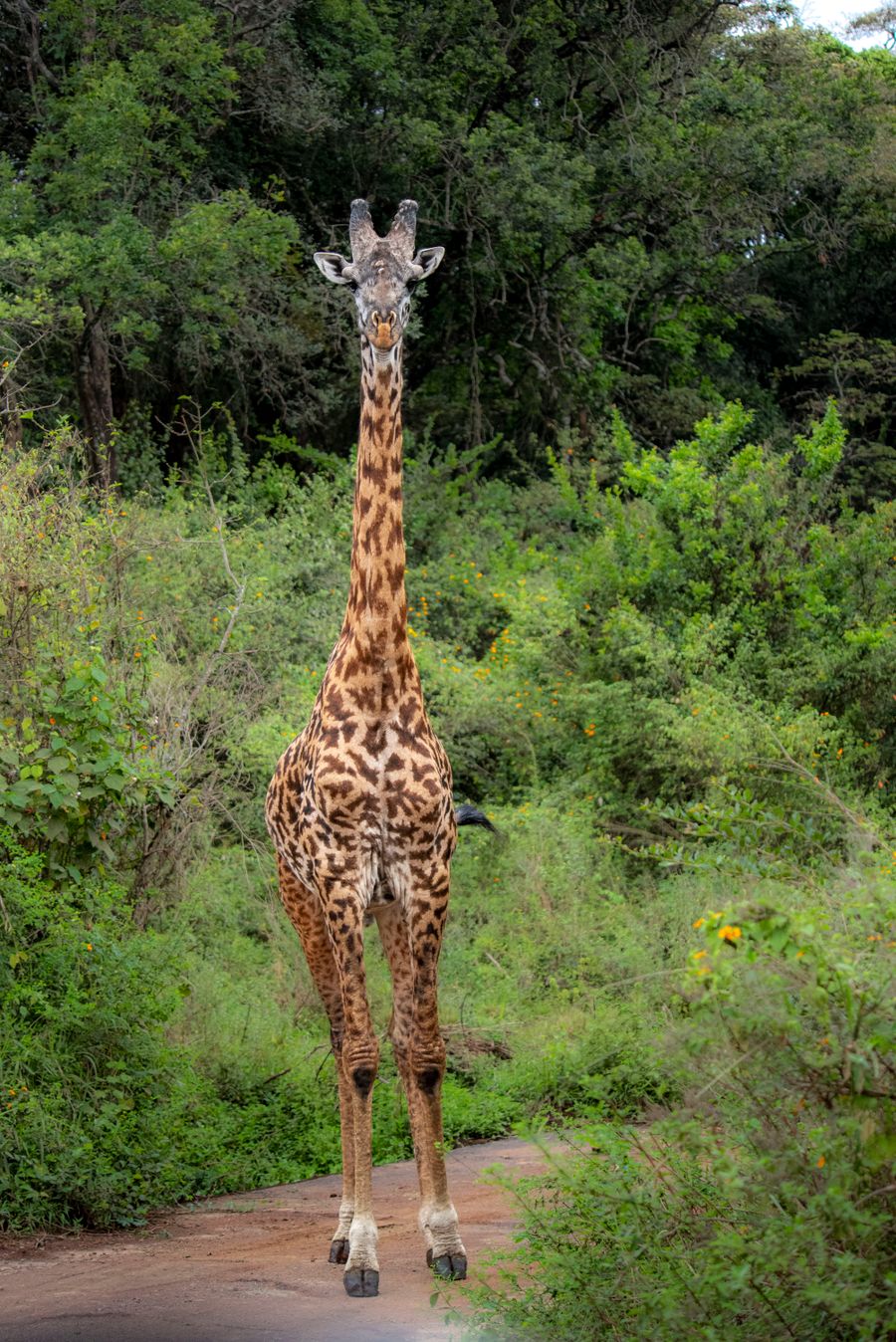
Nairobi National Park
Free-ranging wildlife and savannah beside the capital.
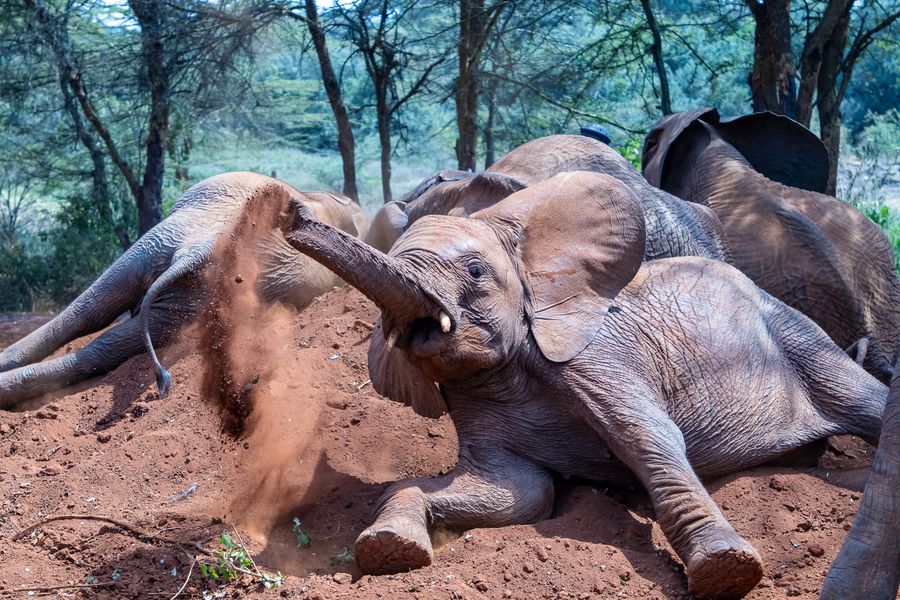
Sheldrick Wildlife Trust
Elephant rescue, rehabilitation and conservation education.
Giraffe Centre
A close, educational encounter with Rothschild’s giraffes.
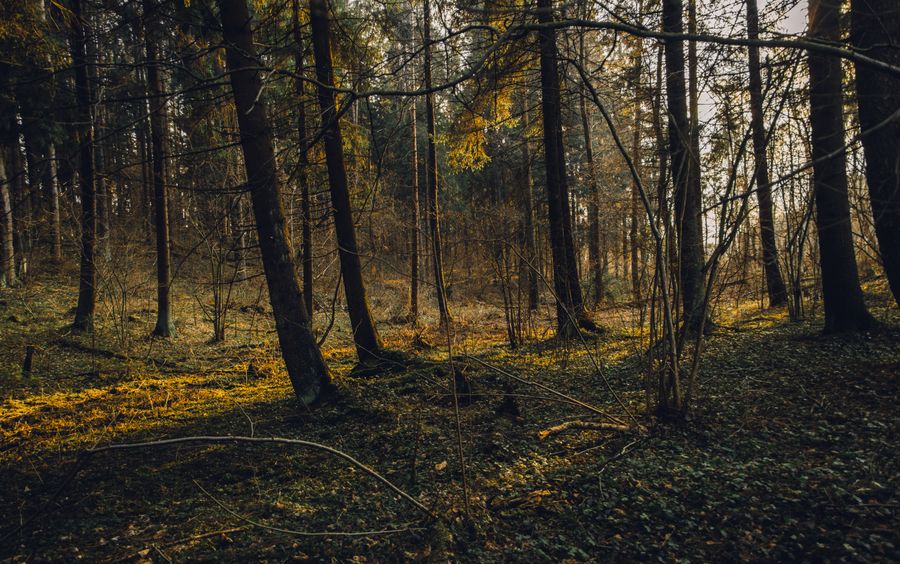
Karura Forest
Walking, cycling, birding, waterfalls and urban forest trails.

National Museum
Kenya’s natural history, heritage, art and archaeology.
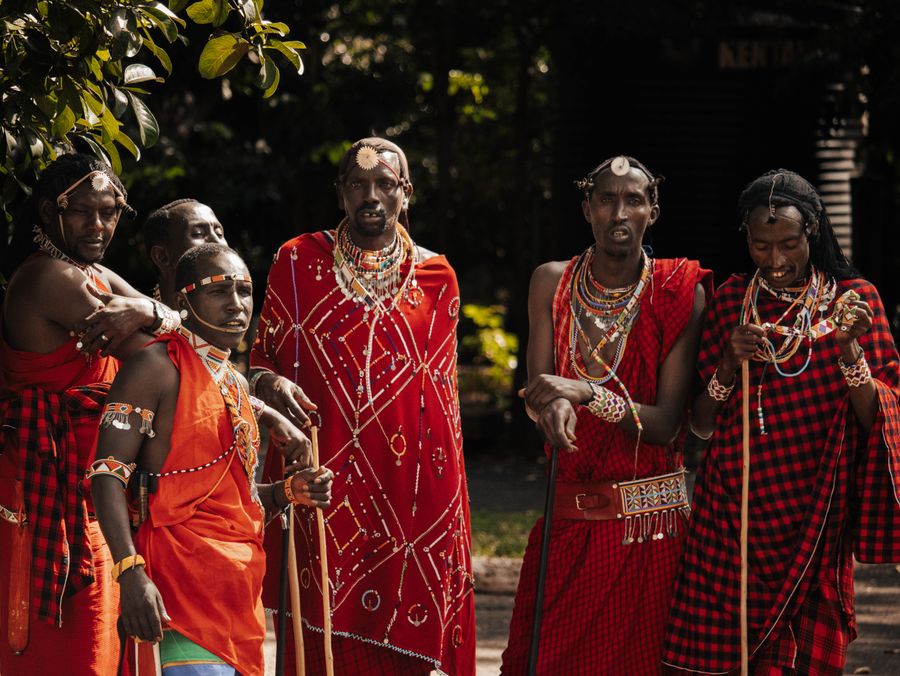
Bomas of Kenya
Traditional architecture, music, dance and cultural interpretation.

Maasai Market
Beadwork, textiles, carvings, paintings and locally made gifts.

KICC & the CBD
Skyline views, monuments, markets and railway-era history.
Complete attraction guide
Explore 30 places to visit in Nairobi
Use the tabs to switch between wildlife, culture, shopping, food, family activities and unusual experiences. Open any attraction for a concise planning summary.
01Nairobi National Park game drive
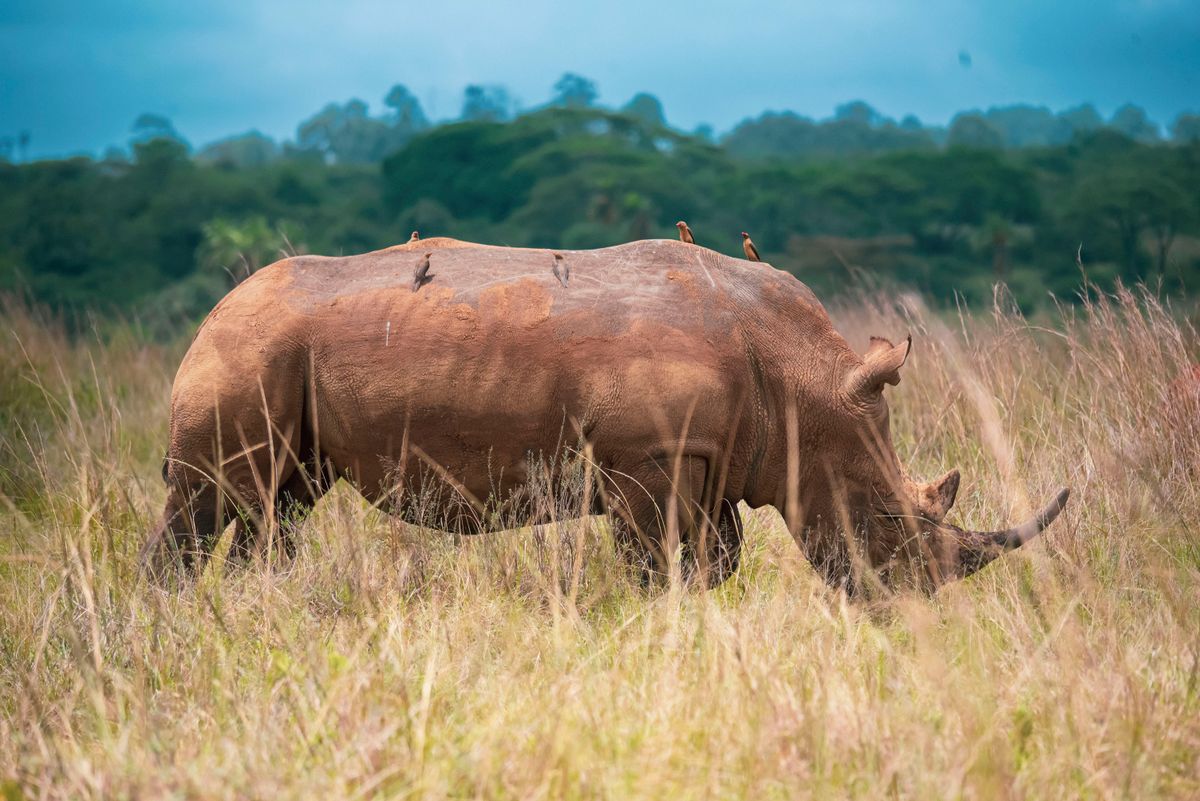
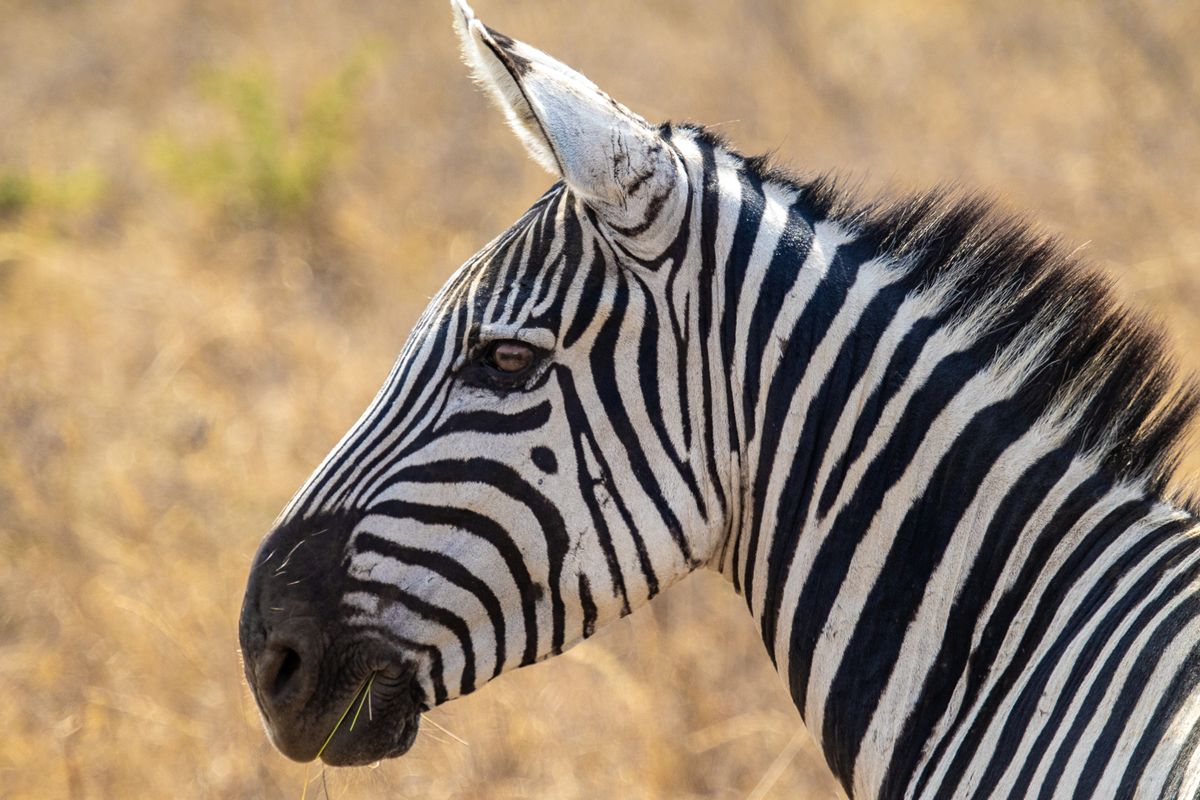
Nairobi National Park is the defining attraction of Kenya’s capital: a protected savannah ecosystem where visitors may see lions, black and white rhinos, buffaloes, giraffes, zebras, antelopes, hippos, crocodiles and abundant birdlife against an urban skyline. It is a real vehicle-based safari, not a zoo or enclosed animal display.
Choose a half-day Nairobi National Park tour → for an efficient early-morning experience or a full-day safari for more time across the park’s dams, plains, riverine habitat and viewpoints. Review the current park entry fees, gate guide and best visiting times before travelling.
02Sheldrick Wildlife Trust Nairobi Nursery
The Nairobi Nursery introduces visitors to elephant rescue, specialised care, rehabilitation and eventual reintegration. The public visit is generally centred on a scheduled one-hour session, so it should be planned around the Trust’s current confirmation and admission rules rather than treated as a flexible walk-in attraction.
It combines naturally with an early Nairobi National Park game drive because both lie within the southern Nairobi wildlife circuit. Read the Sheldrick Elephant Orphanage visitor guide → and reserve directly with the Trust before finalising transport.
03Giraffe Centre
The Giraffe Centre offers a close educational encounter with Rothschild’s giraffes from a raised platform. It is particularly popular with children, first-time visitors and travellers who want close-range photography while learning about giraffe conservation.
The centre is not a substitute for a game drive: Nairobi National Park shows free-ranging animals within a savannah ecosystem, while the Giraffe Centre is a managed conservation and education facility. Use the Giraffe Centre Nairobi guide → for current entry information and combination-tour planning.
04Nairobi Safari Walk
Nairobi Safari Walk is a raised boardwalk and conservation-education facility beside Nairobi National Park. It interprets Kenyan ecosystems and offers easier close-range viewing of selected wildlife than a game drive, making it useful for families, school groups and travellers with limited time.
It shares the broader KWS visitor area with the Animal Orphanage and the park’s main Lang’ata access zone. Compare the experiences in the Safari Walk versus Nairobi National Park guide, then review the full Nairobi Safari Walk guide →.
05Nairobi Animal Orphanage
The Nairobi Animal Orphanage is a wildlife rescue, rehabilitation and education facility near the main entrance of Nairobi National Park. It helps visitors understand the care of orphaned, injured or otherwise vulnerable animals that may not immediately survive in the wild.
Pair it with the neighbouring Safari Walk when you want a compact conservation-focused outing without a full game drive. Confirm current operating arrangements before travel and consult the Nairobi Animal Orphanage guide →.
06Karura Forest
Karura is Nairobi’s most developed urban forest for walking, running, cycling, picnicking and birdwatching. Its network connects forest roads, caves, waterfalls, river valleys and shaded woodland, providing a cooler and more active counterpart to a vehicle safari.
Choose your gate and route carefully because the forest covers a substantial area. See the complete Karura Forest guide → for trail planning, activities and practical access.
07Nairobi Arboretum
Nairobi Arboretum is a convenient green retreat close to the city centre and Westlands. It suits short walks, birdwatching, exercise, informal picnics and a quiet break between museums, meetings or city activities.
It requires less time than Karura Forest and fits well with Nairobi National Museum or an afternoon in Westlands. Confirm any current activity, parking or professional-photography charges at the entrance.
08Oloolua Nature Trail
Oloolua offers an intimate forest walk through indigenous woodland, bamboo, riverine sections, caves and a waterfall. It is generally quieter and less formal than Karura, making it attractive to visitors looking for a lower-key nature experience.
Its Karen location allows a practical combination with Karen Blixen Museum, Kazuri, Giraffe Centre or lunch nearby. Read the Oloolua Nature Trail guide →.
09Ngong Hills
Ngong Hills provide a breezy ridge walk with views towards Nairobi, the Great Rift Valley and surrounding highlands. The outing is more physically demanding and weather-exposed than Karura, Oloolua or the Arboretum.
Carry water, wear trail footwear, monitor cloud and wind conditions and confirm current access and security guidance. Travellers focused on major Nairobi attractions should normally prioritise the national park before allocating a half day to the hills.
10Paradise Lost
Paradise Lost is a recreational excursion north of central Nairobi, known for landscaped grounds, caves, a waterfall and optional outdoor activities. It works best for families and groups seeking a relaxed picnic-style outing rather than a high-priority city landmark.
Because individual facilities and activities can change, confirm what is operating before travelling and account for Kiambu Road traffic in both directions.
11Nairobi National Museum & Snake Park
The National Museum introduces Kenya through archaeology, palaeontology, biodiversity, art, culture and modern history. It is especially useful before or after a safari because it places wildlife, human origins and the country’s cultural diversity within a wider national narrative.
The adjacent Snake Park can usually form part of the same stop. Review the Nairobi National Museum guide → and check the current combined-ticket structure.
12Karen Blixen Museum
The former home associated with the author of Out of Africa presents domestic interiors, period objects, gardens and the history of the coffee estate. The visit is strongest when treated critically as part of Kenya’s colonial-era history rather than only as a film or literary location.
Combine it with Oloolua, Kazuri, Giraffe Centre or a Karen lunch. See the Karen Blixen Museum guide →.
13Bomas of Kenya
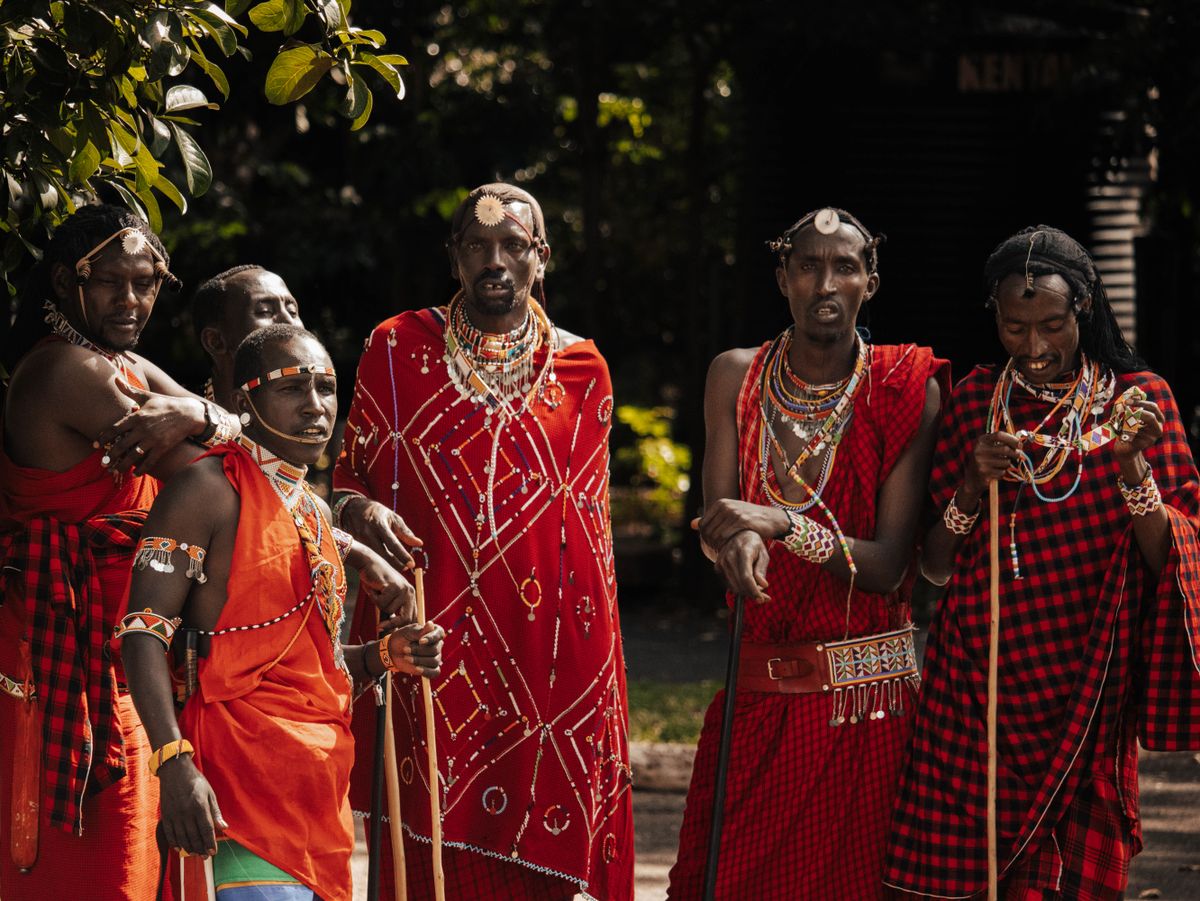
Bomas presents traditional homestead architecture, music, dance and cultural interpretation representing communities from across Kenya. It gives international visitors a structured introduction to the country’s diversity and works particularly well after a morning safari.
Performance schedules may vary by day or event, so confirm timing before arriving. Read the Bomas of Kenya guide →.
14Nairobi Railway Museum
The Railway Museum explains how the Kenya–Uganda Railway shaped Nairobi’s location, growth and role as a regional transport centre. Vintage locomotives, carriages, engineering objects and archival material make it one of the city’s most tangible historic attractions.
Its central location allows combination with KICC, Nairobi Gallery and the Archives. Use the Nairobi Railway Museum visitor guide →.
15Uhuru Gardens
Uhuru Gardens is associated with Kenya’s independence, national commemorations and military history. Its monuments, landscaped grounds and museum components provide a valuable counterpoint to Nairobi’s railway and colonial-era narratives.
Confirm public access and any exhibition arrangements in advance, particularly around official events or national commemorations.
16KICC rooftop and Nairobi CBD views
Kenyatta International Convention Centre is one of Nairobi’s most recognisable landmarks. When rooftop access is available, the viewpoint reveals the CBD, Upper Hill and the wider metropolitan landscape, helping visitors understand the city’s scale and urban form.
Access can be affected by conferences, security restrictions or weather. Combine it with a guided or self-guided route using the Nairobi City Centre guide →.
17Kenya National Archives
The Archives provides an accessible introduction to public records, photography, documentary history and African art in central Nairobi. It is best visited as part of a broader CBD route rather than as a cross-city standalone journey.
Walk during daylight, use a reputable guide when unfamiliar with the city centre and keep valuables secure in busy public spaces.
18Nairobi Gallery
Nairobi Gallery occupies a historically significant building near the city’s “Point Zero” and hosts exhibitions centred on African art, heritage and Kenyan history. Its compact size makes it easy to combine with KICC, the Archives and Kenyatta Avenue.
A guided Nairobi walking tour → can connect these individual sites into a coherent story of railway growth, colonial planning, independence and contemporary urban life.
19Maasai Market
Nairobi’s open-air Maasai Markets bring together beadwork, jewellery, textiles, baskets, leatherwork, carvings and paintings. The experience is as much about meeting traders and seeing contemporary craft production as it is about buying souvenirs.
Because the market rotates between venues, verify the current day and location using the Nairobi Maasai Market schedule →. Bargain respectfully and consider the time and skill involved in handmade work.
20Kazuri Beads
Kazuri is known for handcrafted ceramic beads, jewellery and pottery, with a social-enterprise history linked to women’s employment. It is a good fixed-location alternative to an open-air market and fits neatly into a Karen itinerary.
Confirm whether workshop viewing or guided explanations are available on the day of your visit, then combine the stop with Karen Blixen Museum, Giraffe Centre or lunch nearby.
21Utamaduni Craft Centre
Utamaduni collects textiles, homeware, carvings, jewellery and gifts from different parts of Kenya in a calmer retail environment. Displayed prices make it suitable for visitors who prefer not to bargain or who want to compare a broad selection efficiently.
It is most useful as an add-on to the nearby wildlife and cultural circuit rather than a standalone half-day activity.
22Nairobi City Market
City Market combines flowers, food products, crafts and everyday urban commerce in the centre of Nairobi. It feels more embedded in normal city life than a purpose-built souvenir centre.
Visit in daylight, combine it with KICC or Nairobi Gallery and use a guide when you want historical context and help navigating the CBD.
23Try Kenyan food and nyama choma
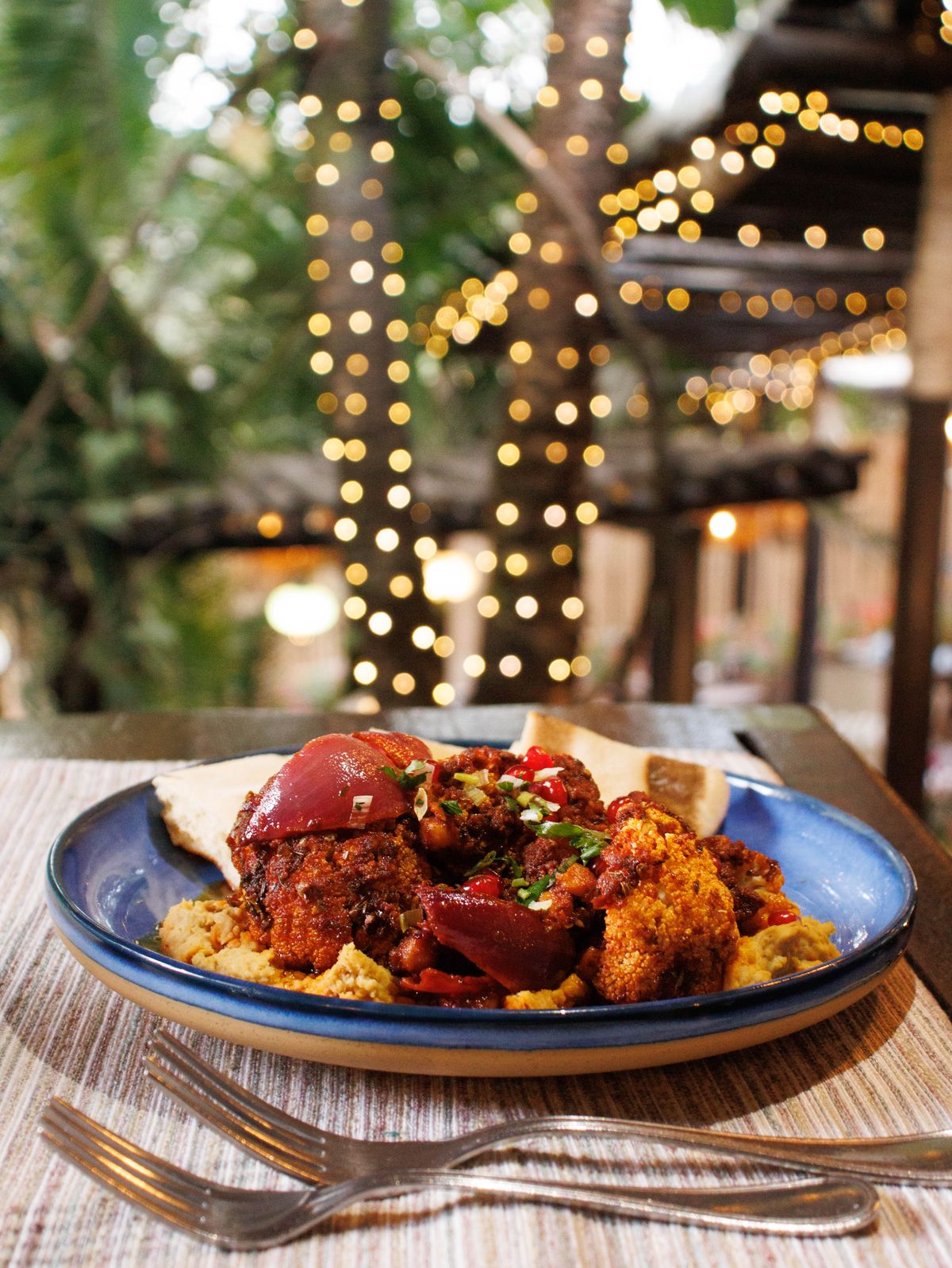
Nairobi’s dining scene spans nyama choma, stews, grilled meats, coastal dishes, Indian-influenced cuisine, contemporary Kenyan tasting menus and a strong café culture. Carnivore is famous among visitors, but neighbourhood restaurants often provide a broader and more locally grounded experience.
Choose restaurants based on the day’s route. Karen and Lang’ata work after the wildlife circuit; the CBD suits a city tour; Westlands and Kilimani are convenient for dinner and evening activities.
24Park-facing and rooftop restaurants
A restaurant overlooking Nairobi National Park allows the safari landscape to remain part of the day even after leaving the gate. Rooftop venues elsewhere in the city offer a contrasting view of Nairobi’s high-rises, neighbourhoods and evening lights.
See the restaurants around Nairobi National Park guide → and reserve popular venues for weekends or sunset.
25Westlands nightlife and live music
Westlands is one of Nairobi’s main districts for restaurants, cocktail bars, live music and clubs. Kilimani and selected CBD venues also contribute to the city’s evening scene.
Check the current programme and dress expectations, use a reputable taxi or ride-hailing service, and avoid walking between unfamiliar venues late at night.
26Nairobi Mamba Village
Mamba Village is a family-oriented recreational attraction known for crocodile displays, gardens, event spaces and a relaxed lakeside setting. It is best understood as an informal leisure stop rather than a substitute for a national-park safari or conservation centre.
See the Nairobi Mamba Village guide → and confirm feeding demonstrations or other scheduled activities before arriving.
27African Heritage House
African Heritage House combines distinctive architecture, interiors, art, textiles and cultural objects in a setting overlooking the broader Nairobi National Park landscape. It is a strong choice for design, photography and art enthusiasts.
Visits and meals may require prior arrangement. Its location can work for travellers coming from JKIA or connecting a city stay with the Mombasa Road corridor.
28Kitengela Hot Glass
Kitengela Hot Glass is known for recycled-glass production, colourful objects, sculpture and unconventional architecture. The journey, landscape and workshop atmosphere make the outing more distinctive than an ordinary shopping stop.
Check road conditions, demonstration schedules and access arrangements in advance. Allocate enough time so the excursion does not conflict with fixed wildlife bookings.
29Tea-farm experience
Tea-farm visits outside central Nairobi introduce cultivation, harvesting, processing, landscaped highland estates and Kenyan hospitality. Kiambethu is among the most established visitor experiences.
These are normally scheduled programmes rather than casual walk-ins. They work best on a second or third day after the headline wildlife and city attractions.
30Guided city walk or street-art tour
A knowledgeable city walk connects Nairobi’s railway origins, colonial planning, independence monuments, religious buildings, public art, markets and contemporary commerce. The value lies in the relationships between places, not simply checking landmarks off a list.
Review the Nairobi walking tours guide → and select a reputable guide, particularly for routes through busy central areas.
The central entity
Why Nairobi National Park should anchor your itinerary
Nairobi’s forests, museums, markets and restaurants make the capital worth exploring, but the national park is what makes Nairobi globally distinctive. Begin with the savannah ecosystem, then use nearby conservation facilities, Karen attractions and city museums to understand the relationships between wildlife, urban growth, culture, tourism and conservation.
Plan efficient routes
Suggested Nairobi itineraries
Traffic is the main constraint. These routes keep attractions within sensible geographic clusters and protect fixed-time bookings.
One-day wildlife circuit
Best for first-time visitors who want Nairobi’s defining experiences in one day.
- 05:30Hotel or airport-area pickup
- 06:00Nairobi National Park game drive
- 11:00Pre-booked Sheldrick visit, subject to confirmation
- 13:00Lunch in Karen or Lang’ata
- 14:30Giraffe Centre
One-day culture and city route
Best for returning visitors, rainy days or travellers who have already completed a safari.
- 09:00Nairobi National Museum
- 12:00Lunch near Museum Hill or CBD
- 13:30Railway Museum and city landmarks
- 16:00KICC viewpoint, subject to access
- 17:00Maasai Market when operating nearby
Two-day balanced visit
Best overall plan for combining wildlife, conservation, culture and local food without rushing.
- Day 1Nairobi National Park, Sheldrick and Giraffe Centre
- Day 2Karura or National Museum in the morning
- LunchKenyan restaurant in the day’s activity area
- PMKICC, Railway Museum, Bomas or Maasai Market
- EveningRooftop dinner or Westlands live music
For a slower plan, use the site’s three-day Nairobi itinerary and the guide to attractions near Nairobi National Park.
Keep the original page intent
Free and budget places to visit in Nairobi
The page’s former budget focus remains valuable as a dedicated supporting section rather than limiting the entire guide.
Free or browsing-focused
Walk selected CBD landmarks in daylight, browse the Maasai Market or City Market, view public monuments and explore neighbourhood streets with an informed route.
Low-cost green spaces
Nairobi Arboretum, Karura Forest and Oloolua Nature Trail provide strong value for walking, birding, picnics and exercise. Charges can change, so confirm at the gate.
Affordable culture
Nairobi Gallery, the Railway Museum and selected public-history sites can deliver substantial cultural value without the cost of a full-day tour.
Match the experience
Best Nairobi activities by traveller type
| Traveller | Best choices | Why they fit |
|---|---|---|
| First-time visitor | Nairobi National Park, Sheldrick, Giraffe Centre, KICC | Covers wildlife, conservation and city identity in a compact visit. |
| Family with children | Safari Walk, Animal Orphanage, Giraffe Centre, Railway Museum | Shorter, visual and educational activities with less time in a vehicle. |
| Couple | Private safari, Karen lunch, Karura walk, rooftop dinner | Balances privacy, scenery, food and flexible pacing. |
| Budget traveller | Arboretum, CBD walk, Maasai Market, City Market, Nairobi Gallery | Creates a full day from inexpensive or free central attractions. |
| Wildlife enthusiast | Full-day Nairobi National Park safari and Sheldrick | Maximises time in the ecosystem and adds conservation context. |
| Culture traveller | National Museum, Bomas, Karen Blixen Museum, Archives | Connects archaeology, communities, colonial history and independence. |
| Active traveller | Karura Forest, Oloolua and Ngong Hills | Prioritises walking, cycling, hiking and outdoor landscapes. |
| Rainy-day visitor | National Museum, Railway Museum, Nairobi Gallery, craft centres | Offers substantial indoor or partially covered experiences. |
| Layover visitor | Nairobi National Park or compact CBD tour | Choice depends on airport, traffic, daylight and total connection time. |
| Repeat visitor | African Heritage House, tea farm, Kitengela Hot Glass, food tour | Moves beyond the standard first-visit circuit. |
Practical information
How to plan Nairobi attractions efficiently
Opening times, fees, access and traffic conditions can change. Verify essential details shortly before travel and avoid building a tight itinerary around unconfirmed assumptions.
Group attractions by area
Lang’ata and Karen: Nairobi National Park, Safari Walk, Animal Orphanage, Sheldrick, Giraffe Centre, Bomas, Karen Blixen and Oloolua.
Choose the right transport
Ride-hailing suits isolated city stops. A private driver is more efficient for multiple areas. Use a suitable safari vehicle for the national park rather than treating a city taxi as equivalent.
Protect the early morning
Use the coolest, quietest hours for wildlife and outdoor activities. Schedule museums, markets, restaurants and shopping later in the day.
Account for Nairobi traffic
A short map distance can become a long transfer. Avoid combining Gigiri, Karen and the CBD in one tightly timed half day.
Use normal city precautions
Keep phones and cameras secure, walk busy central areas in daylight, use reputable transport at night and follow ranger instructions around wildlife.
Check current fees
Do not rely on old blog prices. Use the dedicated Nairobi National Park fee page and official attraction channels close to your travel date.
Search questions answered
Frequently asked questions
These answers target the main planning questions behind searches for things to do, places to visit and activities in Nairobi.
What is the number-one place to visit in Nairobi?
For most first-time visitors, Nairobi National Park is the strongest choice because it offers a genuine free-ranging wildlife safari within the capital. It is the experience that most clearly distinguishes Nairobi from other major cities.
Can I see wildlife without leaving Nairobi?
Yes. Nairobi National Park supports free-ranging wildlife in a savannah ecosystem. The Safari Walk, Animal Orphanage, Sheldrick Nursery and Giraffe Centre provide different managed, educational or rehabilitation-focused experiences.
What can I do in Nairobi in one day?
A classic wildlife day combines an early Nairobi National Park safari, a confirmed Sheldrick visit and an afternoon at Giraffe Centre. A city-focused alternative combines the National Museum, Railway Museum, CBD landmarks, KICC and a market.
How many days do I need in Nairobi?
One full day covers the main wildlife circuit. Two days allow wildlife plus culture, forest activities, food or markets. Three days provide a more balanced visit without rushing across distant neighbourhoods.
What are the best free things to do in Nairobi?
Good free or browsing-based options include selected CBD landmarks, public monuments, City Market and the Maasai Market. Walking should be done in daylight and preferably with a reputable guide when you are unfamiliar with central Nairobi.
Is Nairobi suitable for families?
Yes. The Giraffe Centre, Safari Walk, Animal Orphanage, Railway Museum, National Museum, Karura Forest and a suitably paced national-park safari are all strong family choices.
What can couples do in Nairobi?
Couples can combine a private morning safari, lunch in Karen, a forest walk, KICC skyline views, rooftop dining or live music in Westlands.
What should I do in Nairobi during a layover?
The correct choice depends on the airport, immigration, baggage, traffic, daylight and total connection time. Nairobi National Park can work for a sufficiently long daytime layover, while a compact city route may be better when time is more limited.
What are the best rainy-day activities in Nairobi?
Prioritise Nairobi National Museum, the Railway Museum, Nairobi Gallery, Karen Blixen Museum, craft centres and a long Kenyan lunch. Keep travel times flexible because rain can slow road traffic.
What is the best way to combine Nairobi attractions?
Cluster Lang’ata and Karen attractions together, keep CBD sites within one walking or driving block, and plan Karura or Gigiri separately. Protect any fixed-time Sheldrick reservation and schedule the national park early.
Make the park your first stop
Book a private Nairobi National Park safari
Start with an early game drive in a safari-equipped vehicle, then add Sheldrick, Giraffe Centre, Karen, Bomas or a city attraction according to your available time. Park admission and third-party attraction tickets should be confirmed separately.
- Stock photos used under the Pexels licence.
- Nairobi skyline
- Nairobi giraffe
- Nairobi rhino
- Elephants
- Forest
- Maasai performers
- Kenyan food