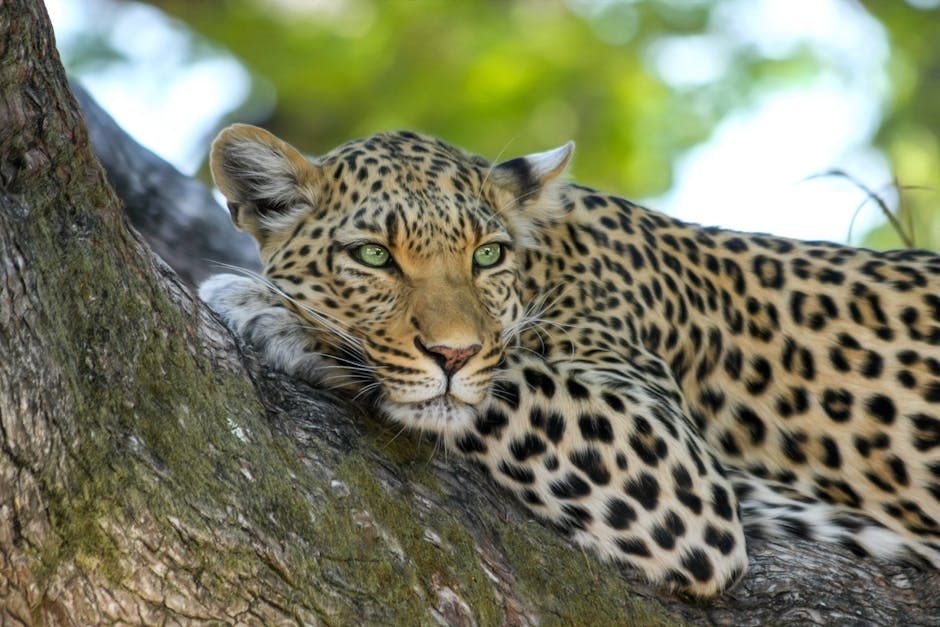
A Nairobi National Park game drive is a guided or self-drive safari inside Nairobi National Park, just outside central Nairobi. Most visitors choose an early morning private 4×4 Land Cruiser drive because it gives the best mix of wildlife activity, route flexibility, rhino viewing, photography, and reliable pickup from Nairobi hotels, JKIA, or Wilson Airport.
The park sits about 10 km south of Nairobi city centre, covers about 117 km², and is managed not as a zoo-like attraction but as a protected landscape built around savannah, wetlands, and highland dry forest habitats that support species of conservation concern including rhinos and lions. That combination of accessibility, wildlife density, and conservation importance is what makes the game drive the park’s defining activity.
What makes the experience especially distinctive is not just the animal list. It is the contrast. One moment the skyline is visible beyond the plains; the next, the drive is focused on reading grassland edges, riverine habitat, and viewpoint sectors as if you were much deeper in Kenya’s safari circuit. KWS lists scenic and game viewing as the core activity, with self-drive and hired safari vehicles as the main formats, and SafariBookings’ expert reviews repeatedly describe the park as far more rewarding than visitors expect from its urban location.
For visitors comparing game drives with other park experiences, our full guide to Nairobi National Park activities explains how game drives, rhino viewing, birdwatching, picnic stops, walking trails and nearby add-ons fit together.
What Is a Nairobi National Park Game Drive?
A Nairobi National Park game drive is a safari drive through the park’s plains, dams, river edges, rhino areas, and skyline viewpoints in search of wildlife.
Visitors remain inside the vehicle while the guide moves slowly through productive habitats, stopping for animals, tracks, bird activity, scenic views, and recent sightings. A good game drive is not random driving. It is route planning, timing, wildlife interpretation, and patient searching.
A typical game drive may focus on:
- Rhinos, buffalo, giraffes, zebras, antelopes, warthogs, and ostriches.
- Lions, hyenas, jackals, leopards, and cheetahs when conditions are favorable.
- Dams, wetlands, grasslands, riverine edges, and skyline viewpoints.
- Birdlife, including raptors, waterbirds, ostriches, secretary birds, and seasonal migrants.
- Conservation sites such as the Ivory Burning Site and rhino sanctuary areas.
What Is the Best Nairobi National Park Game Drive?
For most visitors, the best Nairobi National Park game drive is a private guided early morning safari in a 4×4 Land Cruiser with a pop-up roof.
This format gives the best balance of wildlife viewing, comfort, photography, timing, and flexibility. It is especially useful for first-time visitors, families, photographers, airport layover guests, and anyone with limited time in Nairobi.
| Activity Class | Options | Best Visitor Decision |
|---|---|---|
| Access style | Self-drive or guided safari | Use a guide if it is your first visit or time is limited. |
| Safari structure | Private, shared, or scheduled group | Choose private for flexibility; shared for lower cost. |
| Duration | Express, half-day, or full-day | Choose half-day for most visits; full-day for deeper exploration. |
| Time of day | Sunrise, morning, afternoon, or sunset | Choose early morning for the best wildlife activity. |
| Safari focus | Wildlife, rhinos, big cats, birding, photography, conservation | Shape the route around your main interest. |
| Visitor type | Family, couple, solo, senior, student, corporate, layover visitor | Match the pace, pickup, and route to the guest. |
| Route emphasis | Plains, rhino zones, dams, river edges, skyline, picnic sites, landmarks | Pick the areas that fit your goals. |
| Add-on plan | Park-only or combined day tour | Add Safari Walk, Sheldrick, Giraffe Centre, Karen Blixen, or Bomas only if timing works. |
Should You Choose a Guided Safari or Self-Drive?
Choose a guided safari if you want better wildlife sightings, smoother timing, and local interpretation. Choose self-drive only if you know the park roads, have a suitable vehicle, and are comfortable navigating without a guide.
Guided Safari
A professional driver-guide adds real value inside Nairobi National Park. The guide knows which plains are active, where rhinos are often seen, where lions were last reported, which dams are worth checking, and which roads waste time.
A guided game drive is best for:
- First-time visitors.
- Hotel and airport pickups.
- Families.
- Photographers.
- Layover guests.
- Visitors with only one morning.
- Anyone who wants a safari, not just a drive.
Self-Drive
Self-drive works better for Nairobi residents or repeat visitors who already understand the park layout. It gives independence, but first-time visitors often lose time on poor route choices or miss animals that a trained guide would notice.
Should You Book a Private or Shared Game Drive?
A private game drive is better for flexibility, comfort, photography, families, and airport timing. A shared game drive is better when budget matters more than route control.
| Safari Structure | Best For | Main Advantage | Main Limitation |
|---|---|---|---|
| Private game drive | Families, couples, photographers, layover guests, small groups | Flexible timing, route, pace, and pickup | Higher cost |
| Shared game drive | Solo travelers and budget travelers | Lower per-person cost | Less control over route and schedule |
| Scheduled group safari | Visitors who want a fixed plan | Simple and predictable | Least flexible |
For wildlife-focused visitors, private guiding is usually worth it. Your guide can spend more time with rhinos, wait longer for lions, stop for photography, or exit early for a flight.
Is a Half-Day Nairobi National Park Game Drive Enough?
Yes. A half-day Nairobi National Park game drive is enough for most visitors, especially if it starts early and uses a good guide.
A half-day drive usually gives about 4 to 5 hours inside the park. That is enough time to search for rhinos, giraffes, buffalo, zebras, antelopes, ostriches, warthogs, lions, hyenas, and many birds.
A half-day safari is best for:
- First-time Nairobi visitors.
- Business travelers.
- Families with children.
- Couples.
- Airport layover guests with enough time.
- Visitors adding Giraffe Centre, Sheldrick, Safari Walk, Karen Blixen, or lunch afterward.
The main mistake is entering too late. If wildlife is the priority, aim for the gate early.
What a game drive in Nairobi National Park actually feels like
A proper game drive here is a moving wildlife search, not a passive sightseeing loop. The vehicle enters through the main access points and works through open plains, lightly bushed sections, viewpoint areas, and river-linked habitat, slowing constantly to scan, then stopping when a sighting or landmark justifies closer observation.
Tthe experience alternates between searching and watching: part of the drive is spent reading the landscape for rhinos, predators, grazers, and birds, and part is spent stationary at sightings or interpretation points.
That is why the park rewards visitors who treat the drive as an activity with rhythm rather than a checklist. Some mornings are driven by rhino sightings on the plains. Others build around lions, birding at the river, or scenery at the viewpoints.
We often highlight the Ivory Burning Site, Kingfisher picnic site, Mokoyiet picnic site, and the former Impala Observation Point, now improved as Simba View Point in the management plan, as key visitor sites within the park. The management plan also prioritizes Hippo Pools and its nature-trail and visitor facilities, confirming that the best drive is not only about mammals but about linking wildlife with the park’s main landmarks and habitats
A game drive in Nairobi National Park is a journey through a diverse landscape of open plains, dense thickets, and rivers, all teeming with wildlife. As one of the few national parks in the world located within a major city’s limits, Nairobi National Park allows you to experience the beauty of nature without traveling far from the city. On these drives, visitors can expect to see a variety of animals such as lions, zebras, buffaloes, and more in their natural habitat, creating an unparalleled wildlife experience.
What makes a Nairobi National Park game drive unique?
A game drive in Nairobi National Park is a vehicle-based wildlife-viewing activity carried out on the park’s internal road network. In practical terms, that means entering the park in a safari vehicle or self-drive vehicle and moving slowly through plains, bush country, river-edge sections, and viewpoint areas while scanning for free-ranging wildlife. It is not a fixed exhibit experience. It is an active search through habitat, with the driver constantly reading terrain, animal movement, and visibility.
That is also how a Nairobi National Park game drive works in real terms: part of the time is spent driving and searching, and part is spent stationary once good wildlife is found. Early in the drive, the vehicle usually works through open country where rhinos, giraffes, zebra, buffalo, and predators are easier to pick up at distance. Once a strong sighting develops, the pace slows and the drive becomes more about watching, photographing, and interpreting what is happening. This stop-start rhythm is repeatedly reflected in safari reviews, which praise guides who balance route coverage with patience at sightings.
During a game drive, you can expect much more than simply driving around looking for animals. A strong drive in Nairobi National Park often includes wildlife viewing across several habitat types, skyline photography, and stops at conservation and scenic landmarks such as the Ivory Burning Site and Simba View Point. On longer drives, the experience often extends toward southern and riverine sectors such as Mokoyiet and Hippo Pools, which add escarpment scenery, river habitat, hippos, crocodiles, and stronger birding. This is one reason the park feels deeper than its urban-edge location suggests.
What makes this game drive different from many other safari activities is that it compresses a true savannah wildlife experience into a very short travel window from the city. Safari experts repeatedly describe the park as a place where visitors can leave the airport or the city and be among lions, buffalo, and rhinos in a remarkably short time. That makes it fundamentally different from a long-transfer safari, a zoo-style wildlife attraction, or a boardwalk experience. It is still a real game drive, just in a far more accessible setting.
A game drive is the main activity in Nairobi National Park. Scenic drives in the Park’s unpaved roads and game viewing are the park’s core visitor experience, and both the park guide materials and the management plan organize visitor infrastructure around vehicle-based wildlife viewing, viewpoints, picnic sites, and associated interpretation stops. Other activities exist, but the park’s identity is built around the game drive.
A Nairobi National Park game drive is worth it for most visitors because it offers genuine safari value without requiring a long transfer out of Nairobi. Rhino sightings are a major strength, lions are regularly reported, and the skyline backdrop gives the drive a visual character that few other parks can match. Reviews from experts and travelers alike repeatedly describe the experience as much more rewarding than expected, especially for short stays, stopovers, and first safari introductions.
When Is the Best Time for a Nairobi National Park Game Drive?
The best time for a Nairobi National Park game drive is early morning, especially around sunrise and the first few hours after the park opens.
Animals are more active in cooler hours. Lions and hyenas may still be moving. Herbivores are feeding in open areas. Birds are active, and the light is better for photography.
| Time of Day | Best For | Wildlife Value | Guide Note |
|---|---|---|---|
| Sunrise | Predators, rhinos, photography, serious wildlife viewing | Highest | Best overall choice. |
| Morning | Most visitors | High | Best balance of sightings and comfort. |
| Afternoon | Flexible schedules, families, golden light | Moderate | Better on cool or cloudy days. |
| Sunset period | Photography and scenery | Moderate | Limited by park closing time. |
| Full day | Birders, photographers, repeat visitors | Deeper but slower | Useful if you want patience and coverage. |
How Long Does a Nairobi National Park Game Drive Take?
A Nairobi National Park game drive can take 2 hours to a full day, but the best option for most visitors is a 4 to 5 hour half-day drive inside the park.
| Duration | Best For | What to Expect |
|---|---|---|
| 2 to 3 hours | Very tight schedules | A quick look at nearby routes, not a full safari. |
| 4 to 5 hours | Most visitors | Best balance of wildlife, timing, and cost. |
| 6 hours door to door | Hotel pickups around Nairobi | Common total time including transfers. |
| Full day | Photographers, birders, wildlife-focused guests | More patient searching and wider route coverage. |
| Layover safari | JKIA or Wilson Airport visitors | Works only with enough flight buffer. |
Why this is one of the easiest real safaris from Nairobi
Nairobi National Park is ideal for a short safari because it removes the biggest barrier most travelers face: transfer time. Expert reviewers highlight that the park can be reached extremely quickly from Jomo Kenyatta International Airport or from many parts of Nairobi, allowing visitors to do a real game drive in a morning or half-day without committing to a full overland safari itinerary. That accessibility is one of the park’s greatest competitive advantages.
It is especially suitable for first-time safari visitors because it introduces the essentials of African savannah game viewing in a manageable format. Visitors get the vehicle-based wildlife search, the unpredictability of sightings, the stop-start rhythm of observation, and the chance to see flagship mammals, all without the logistical complexity of a multi-day bush circuit. That makes the park one of the easiest places in Kenya to understand what a safari is supposed to feel like.
It is also suitable for families and children, mainly because the drive can be kept short or medium in length without sacrificing the core experience. The park’s compactness means families do not have to endure many hours of transfer before the wildlife begins, and landmark stops such as the Ivory Burning Site or Hippo Pools add variety beyond simply sitting in the vehicle watching animals. For families, that flexibility matters.
For photographers, it is one of the best short-format parks in Kenya. Open-country visibility, strong rhino potential, and the possibility of capturing wildlife with Nairobi’s skyline behind it make it unusually photogenic. The best images often come from the central plains and from the viewpoint sectors, especially Simba View Point, while longer drives that reach Hippo Pools add river-edge and bird photography.
It is also the best way to see wildlife in Nairobi National Park. Because the animals are spread across plains, bush edges, and river-linked habitat, a moving vehicle-based search is far more effective than relying on fixed viewpoints alone. The game drive lets visitors actively cover the habitats where wildlife is found, rather than waiting for the landscape to come to them.
What to Expect on a Nairobi National Park Game Drive
A Nairobi National Park game drive usually begins with gate entry and then quickly shifts into wildlife scanning rather than a long internal transfer. Unlike larger parks where visitors may spend a long time just reaching productive sectors, Nairobi National Park starts delivering almost immediately. The vehicle usually moves through the central game-viewing country first, where visibility is strong and where many of the park’s most sought-after species are realistically possible in the first part of the drive.
The overall experience is best understood as a layered safari rather than a single-purpose animal chase. Visitors can expect open-country mammal viewing, occasional predator searching, skyline perspectives, interpretation of Kenya’s anti-poaching history, and on longer drives, a shift into more scenic and river-linked sections of the park. This combination of wildlife, conservation symbolism, and habitat contrast is what gives the drive its real depth.
In terms of time use, game drives usually involve a substantial amount of active searching on the road, especially early in the outing, because wildlife is distributed across different habitats and visibility changes by area. Once animals are located, however, the pattern changes and more time is spent observing, photographing, and interpreting the sighting. In practical terms, well-run drives often feel roughly balanced between movement and observation, though strong wildlife mornings naturally shift the balance toward watching rather than driving.
A Nairobi National Park game drive can feel rushed if it is kept too short or if it tries to include too many corners of the park in too little time. The park is compact, but it is not simple. Its value comes from reading different habitats properly, not racing through them. That is why half-day drives are often more satisfying than very short circuits: they allow enough time to cover the plains properly and still include at least one major landmark or habitat shift.
The full game drive experience from gate entry to wildlife viewing
From the moment of entry, the drive typically moves into open-country scanning mode. This is one of the park’s defining strengths: there is very little dead time between arrival and potential sightings. On a productive morning, visitors may quickly start seeing zebra, antelope, giraffes, buffalo, ostriches, or rhinos, with lion sightings very much possible depending on timing and luck. User reviews repeatedly describe seeing multiple major species within a single outing.
As the drive continues, the experience becomes more selective. The vehicle may remain longer in prey-rich open country if predators or rhinos are active, or it may widen toward a landmark such as the Ivory Burning Site or Simba View Point. On longer drives, the route often extends toward Kingfisher, Mokoyiet, or Hippo Pools, where the activity shifts from pure plains scanning into a richer mix of scenery, river habitat, and interpretation.
This is why the overall feeling of the drive is not just animal counting. It is closer to a rolling field experience in which the landscape itself changes character: first savannah, then viewpoint, then escarpment, then river-edge habitat. The best drives make that transition feel deliberate rather than accidental.
Morning vs Afternoon Game Drive
For wildlife, the morning game drive is usually the best option to consider.
Animals are more active when the air is cooler. Lions may still be moving from night activity. Hyenas may be returning from patrol. Herbivores are feeding in open ground. Birds are active, and the light is better for photography.
An afternoon game drive can still be good, especially for travelers arriving later in the day, families who prefer a slower morning, or visitors who want golden-hour photos. The tradeoff is heat, shorter viewing time before closing, and lower predator activity.
| Timing | Best For | Wildlife Value | Local Guide Note |
|---|---|---|---|
| Early morning | Serious game viewing, predators, rhinos, photography | Highest | Aim to be at the gate around opening time |
| Mid-morning | Relaxed visitors, families, late hotel pickup | Moderate | Still good, but predator chances reduce |
| Afternoon | Convenience, golden light, add-on planning | Moderate | Better when weather is cool or cloudy |
| Full day | Photographers, repeat visitors, patient wildlife watchers | Variable but deeper | Midday can be slow, but extra time helps |
KWS lists Nairobi National Park as an all-year destination, so the issue is less about whether the park is worth visiting in a specific month and more about choosing the right time of day and route.
What Is the Best Vehicle for a Nairobi National Park Game Drive?
The best vehicle for a Nairobi National Park game drive is a 4×4 Land Cruiser with a pop-up roof.
A Land Cruiser gives better visibility, road clearance, comfort, and photography angles. The pop-up roof allows guests to stand safely, scan over grass, and photograph animals without shooting through windows.
A 4×4 safari vehicle is especially useful when:
- Roads are wet or rough.
- Grass is high.
- You want good photography angles.
- You are traveling with family or a small group.
- You are doing a full-day route.
- You want a more serious safari experience.
Tour vans and smaller vehicles can enter the park, but a Land Cruiser gives a better game-viewing experience.
4×4 Land Cruiser Jeeps:
- Perfect for rugged, off-road safari experiences with high ground clearance and superior off-road capabilities.
- The pop-up roof offers 360-degree visibility, making it great for photography and wildlife spotting.
- Pros:
- High ground clearance and superior suspension for navigating challenging landscapes.
- Excellent traction and stability, especially in wet or muddy conditions.
- Cons:
- Higher cost, making it less budget-friendly.
- Smaller seating capacity compared to the minivan.
Toyota Hiace Safari Minivan:
- Ideal for budget-conscious travelers or larger groups due to its spacious seating and affordability.
- Equipped with 4WD capabilities that handle most terrains in Nairobi National Park.
- The pop-up roof provides excellent wildlife viewing while remaining safely inside the vehicle.
- Pros:
- Affordable and cost-effective.
- Spacious, accommodating more passengers.
- Cons:
- Lower ground clearance, less suitable for rough terrains.
- May struggle in extreme off-road or muddy conditions, particularly during the rainy season.
Both vehicles offer memorable game drive experiences, with the choice depending on your balance between budget, comfort, and adventure needs.
- Nairobi Park 4×4 Game Drive: Given the rugged terrain of Nairobi National Park, a 4×4 vehicle is essential for navigating the dirt tracks and off-road areas. These vehicles are designed to handle the park’s landscape, ensuring you get the best access to wildlife hotspots.
- Private Vehicle Game Drive Nairobi: Renting a private 4×4 vehicle for your game drive provides the ultimate flexibility. You can explore the park at your leisure, stop where you want, and spend as much time as you like at each viewing point.
- Eco-Friendly Game Drive Nairobi Park: As sustainable tourism grows in importance, eco-friendly game drive options are becoming more popular. These tours use low-emission vehicles and emphasize conservation education, allowing you to enjoy the park responsibly.
How Much Does a Nairobi National Park Game Drive Cost?
The cost of a Nairobi National Park game drive depends on the vehicle, duration, number of guests, pickup point, private or shared structure, guide quality, and whether park entry fees are included.
For NairobiPark.org’s packaged private game drives tours, the half-day Nairobi Tour in the Park , available as either a morning or afternoon safari, costs $50 to $200 per person, depending on group size. The full-day Nairobi NP safari drive costs $69 to $250 per person, depending on group size. These rates exclude Nairobi National Park entry fees. All the tours utilize private 4×4 safari format with morning and afternoon options. Other shared options are cheaper than above.
If you are a non-resident visitor, add $80 per adult for the current Nairobi National Park entry fee. For example, a non-resident booking a half-day game drive would calculate the total as the NairobiPark.org safari rate plus $80 park entry fee per adult. Children’s park fees are charged separately according to the applicable KWS park fee category.
There are usually two separate costs:
- Safari service cost: vehicle, driver-guide, fuel, pickup, drop-off, and guiding.
- KWS park entry fees: visitor tickets paid separately unless the operator clearly includes them.
Before booking, ask:
- Is the price per person or per vehicle?
- Is it private or shared?
- Is the vehicle a Land Cruiser?
- Does the vehicle have a pop-up roof?
- Are park entry fees included?
- Is pickup and drop-off included?
- Are airport transfers extra?
- How many hours are included?
- What happens if the drive runs longer?
- Is drinking water included?
The cheapest option is not always the best value. Poor timing, weak guiding, or the wrong vehicle can reduce the quality of the whole safari.
What Mistakes Should Visitors Avoid?
The biggest Nairobi National Park game drive mistake is starting too late. Early morning gives better wildlife activity, cooler weather, softer light, and stronger chances for predators.
Avoid these mistakes:
- Booking without confirming vehicle type.
- Assuming park fees are included.
- Choosing only by price.
- Entering too late.
- Underestimating Nairobi traffic.
- Planning a tight airport safari.
- Trying to add too many attractions.
- Expecting guaranteed lions or leopards.
- Ignoring guide quality.
- Driving too fast through productive areas.
A good game drive is calm, focused, and well-paced.
Is Nairobi National Park Worth It for a Game Drive?
Yes. Nairobi National Park is worth it for a game drive because it offers real safari wildlife close to the city, including rhinos, lions, buffalo, giraffes, zebras, antelopes, birds, dams, plains, and skyline views.
It is not a replacement for Masai Mara or Amboseli. Its value is different. It is a city-edge safari with serious wildlife, strong rhino viewing, good birding, and rare access from hotels and airports.
It is especially worth it for:
- First-time safari visitors.
- Business travelers.
- Families.
- Couples.
- Airport layover guests.
- Photographers.
- Conservation-minded travelers.
- Nairobi residents hosting visitors.
What Should You Bring?
For a Nairobi National Park game drive, bring drinking water, binoculars, camera, light jacket, sunscreen, sunglasses, hat, ID or passport, comfortable shoes, and snacks for children.
A simple packing list:
- Drinking water.
- Binoculars.
- Camera or charged phone.
- Light jacket for early morning.
- Sunscreen.
- Sunglasses.
- Hat.
- Passport or ID.
- Comfortable shoes.
- Child snacks if needed.
- Any personal medication.
Avoid loud music, strong perfume, shouting at sightings, and standing while the vehicle is moving.
Best Nairobi National Park Game Drive Itinerary
A strong half-day morning game drive usually follows this flow.
Early Pickup
Your guide collects you before traffic builds and aims to reach the gate close to opening time.
Gate Entry and Plains Search
The first route focuses on open areas where animals may still be feeding or moving after the night.
Rhino and Predator Search
The guide checks rhino areas, scans for lions, watches prey behavior, and follows reliable sighting information.
Dams and Birding Stops
Water points add buffalo, hippos, crocodiles, waterbirds, raptors, and different scenery.
Skyline and Conservation Stop
The route may include skyline views, the Ivory Burning Site, or other landmarks.
Final Loop and Exit
The guide revisits promising areas before exiting for hotel drop-off, airport transfer, lunch, or an add-on attraction.
Best Full-Day Game Drive Itinerary
A full-day Nairobi National Park game drive should use the extra time for slower exploration, not just repeat the half-day route.
A good full-day plan may include:
- Early predator search.
- Rhino zones.
- Open plains.
- Dams and wetlands.
- Birding stops.
- Picnic or lunch break.
- Ivory Burning Site.
- Skyline viewpoints.
- Riverine edges.
- Late-afternoon re-checks of productive areas.
A full day is best for visitors who enjoy patience, photography, birding, and wider habitat coverage.
Can You Do a Game Drive From JKIA?
Yes. A Nairobi National Park game drive from JKIA is possible if your layover or arrival schedule allows enough time.
The main issue is not distance. It is timing. You must allow for immigration, baggage, airport exit, traffic, park entry, the game drive, return transfer, and airport security.
A JKIA game drive works best when:
- The layover is generous.
- The flight arrives in the morning.
- Pickup is arranged in advance.
- Luggage plans are clear.
- Park tickets are handled properly.
- The return airport buffer is safe.
For airport safaris, a private vehicle is usually better than a shared drive because flight timing should control the schedule.
What Animals Can You See on a Nairobi National Park Game Drive?
On a Nairobi National Park game drive, visitors may see rhinos, lions, buffalo, giraffes, zebras, antelopes, warthogs, ostriches, hippos, crocodiles, hyenas, jackals, and many birds. Sightings vary by season, time of day, weather, and guide skill.
Common or Realistic Sightings
- Giraffe.
- Zebra.
- Buffalo.
- Impala.
- Grant’s gazelle.
- Thomson’s gazelle.
- Coke’s hartebeest.
- Eland.
- Warthog.
- Ostrich.
- Baboon.
- Vervet monkey.
- Black rhino or white rhino.
- Raptors and waterbirds.
Possible but Not Guaranteed
- Lion.
- Hyena.
- Hippo.
- Crocodile.
- Jackal.
- Secretary bird.
- Leopard.
- Cheetah.
Rare or Elusive
- Serval.
- Caracal.
- Genet.
- Civet.
- Porcupine.
- Aardwolf.
- Other nocturnal species.
Nairobi National Park is excellent for rhinos, plains wildlife, buffalo, giraffes, and birds. Lions are realistic, but not guaranteed. Leopards and cheetahs are special sightings.
Can You See the Big Five in Nairobi National Park Game Drive?
No. Nairobi National Park does not have resident elephants, so it is not a full Big Five destination.
The park has lions, leopards, buffalo, black rhinos, and white rhinos, but elephants are not resident. It is better described as a Big Four safari park with strong rhino value, real predator presence, and excellent city-edge wildlife viewing.
Which Game Drive Route Is Best?
The best Nairobi National Park game drive route depends on weather, sightings, road condition, time of day, and guest interest. A good route usually combines plains, rhino areas, dams, riverine edges, skyline viewpoints, and conservation landmarks.
Plains
The open plains are good for giraffes, zebras, hartebeest, gazelles, eland, ostriches, buffalo, and predator scanning. Early morning is the best time to search these areas.
Rhino Zones
Rhino areas need slow driving and careful scanning. Nairobi National Park is one of Kenya’s important rhino-viewing landscapes, so these zones should not be rushed.
Dams and Wetlands
Dams attract buffalo, hippos, crocodiles, waterbirds, herons, storks, kingfishers, and raptors. They are useful during warmer hours and good for birding.
Riverine Edges
Riverine areas add shade, birdlife, monkeys, and occasional leopard possibilities. They work best with a patient guide.
Skyline Viewpoints
Skyline viewpoints give Nairobi National Park its most famous visual identity: wildlife in open savannah with the city behind it.
Ivory Burning Site
The Ivory Burning Site adds conservation depth to the drive. It links the park to Kenya’s anti-poaching history and the protection of elephants and rhinos.
Can You Do a Game Drive From Wilson Airport?
Yes. Wilson Airport is one of the easiest starting points for a Nairobi National Park game drive because it is close to the Langata side of the park.
A Wilson Airport game drive works well for:
- Guests arriving from Masai Mara, Amboseli, Samburu, Diani, or other domestic safari routes.
- Visitors with time before a later JKIA flight.
- Travelers staying near Wilson, Langata, or Karen.
- Guests who want one final safari before leaving Nairobi.
Even from Wilson, allow enough time for pickup, park entry, the drive, and your next flight.
Which Add-Ons Work Best After a Game Drive?
The best add-ons after a Nairobi National Park game drive are Giraffe Centre, Sheldrick Wildlife Trust, Nairobi Safari Walk, Animal Orphanage, Karen Blixen Museum, Bomas of Kenya, or lunch in Karen or Langata.
| Add-On | Best For | Planning Note |
|---|---|---|
| Giraffe Centre | Families and first-time visitors | Easy after a morning game drive. |
| Sheldrick Wildlife Trust | Elephant conservation | Timing must be planned carefully. |
| Nairobi Safari Walk | Students, families, education groups | Good for conservation learning. |
| Animal Orphanage | Rescued animal interest | Different from a wild game drive. |
| Karen Blixen Museum | History and culture | Pairs well with Karen-area routing. |
| Bomas of Kenya | Culture and performances | Better later in the day. |
| Lunch in Karen or Langata | Relaxed post-safari plan | Often better than overloading the itinerary. |
NairobiPark.org provides Nairobi National Park Game Drive guided tours
NairobiPark.org organizes guided game drives using two types of vehicles: the 4WD Safari Minivan Toyota Hiace and the 4×4 Land Cruiser Jeeps, both featuring pop-up roofs for optimal wildlife viewing. Each vehicle type comes with its own set of features, benefits, and limitations, making them suitable for different types of travelers.
At NairobiPark.org, we offer expertly guided Nairobi National Park safaris in custom 4×4 Land Cruisers with pop-up roofs, ideal for photography and panoramic wildlife viewing. Each vehicle comes with an experienced safari driver-guide, comprehensive insurance, fuel, and both driver and vehicle park entry tickets included in the rate.
We offer two main types of NNP Game Drive tours:
- Half-Day Safari (4–5 hours) – Perfect for travelers with limited time. This tour focuses entirely on game viewing inside Nairobi National Park, with departure options at 6:00 a.m. (morning drive) or 1:00 p.m. (afternoon drive). You’ll explore the park’s open savannahs, acacia woodlands, and dams — home to lions, rhinos, buffaloes, giraffes, zebras, and over 400 bird species.
(Note: Guest park entry fees are not included and must be purchased separately via eCitizen.)
Game Viewing at Nairobi National Park
The park is home to more than 100 mammal species and over 500 bird species. On a typical game drive, you can encounter the “Big 5” animals (minus the elephant), including lions, rhinos, buffaloes, leopards, and a wide variety of other wildlife such as giraffes, zebras, cheetahs, and hyenas. Some areas of the park are prime locations for wildlife viewing, particularly around the waterholes, where animals gather to drink, especially during the dry season. Early mornings and late afternoons are the best times to catch wildlife as they are more active in the cooler hours.
Types of Game Drives Available
- Private Game Drive Safari in Nairobi: For those seeking exclusivity and a personalized experience, a private game drive offers the flexibility to explore the park at your own pace. You can tailor the itinerary to suit your preferences and interests, making it ideal for families, photographers, or small groups who want a more intimate safari experience.
- Group Game Drives in Nairobi: Group game drives are a more affordable option and a great way to meet other travelers. These drives are organized by tour operators and follow a set route within the park, offering a structured yet enjoyable experience.
- Self-Drive Game Drive in Nairobi Park: For the adventurous, a self-drive option allows you to navigate the park yourself. You’ll need a 4×4 vehicle and a good understanding of the park’s roads and wildlife behavior, but this option provides the freedom to explore on your terms.
- Guided Game Drive Nairobi: Opting for a guided game drive is perfect for first-time visitors. Experienced guides share their knowledge of the park’s wildlife and ecosystem, ensuring you have the best possible game viewing experience. Guides often know where to find the animals and can provide insights into their behavior.
Nairobi National Park Morning Game Drive
A Nairobi National Park morning game drive is designed around one core reality of savanna ecology: the first hours after dawn concentrate the most “decision-making” wildlife behavior—predators finishing a hunt, hyenas and jackals working scent lines, and grazers moving out to feed before heat and human activity increase. Kenya Wildlife Service has also repeatedly highlighted early morning (and late afternoon) as prime game-drive windows for wildlife activity.
Why the first 90 minutes matter (predator-first strategy)
From 6:00–7:30 am, prioritize predator scanning immediately after entering the park, because many large carnivores are most active in low-light and cooler conditions (crepuscular/nocturnal overlap), and heat later in the day suppresses visible movement. Research tracking large carnivores shows hunting/activity patterns shifting toward dawn/dusk as temperatures rise, reinforcing why the early window stays productive.
How to execute the predator-first approach (first 90 minutes):
- Drive “quiet and fast-enough” between scan points (don’t crawl everywhere; move deliberately between vantage areas).
- Stop at lookouts and open edges (predators often use road verges and open plains for visibility and thermoregulation).
- Work the scent and scavenger chain: if you spot vultures dropping, hyenas circling, or jackals trotting with purpose, assume a kill or hunt sequence nearby.
- Scan systematically: horizon → termite mounds → drainage lines → isolated bushes → road edges.
- Ask your guide to listen: alarm calls (francolins, guinea fowl) + sudden herd clustering often precede predator sightings.
Sunrise timing by month (so your 6:00 am plan stays realistic)
If you want a sunrise safari at Nairobi National Park, you need to be aware of the sunrise timings for Nairobi. Below are sunrise times in Nairobi (shown using the 1st day of each month, 2026), which helps you anchor when “true first light” starts for predator scanning. See historical timing of sunrise in Nairobi on TimeandDate.com website.
| Month | Sunrise (approx) |
|---|---|
| January | 6:30 am |
| February | 6:41 am |
| March | 6:41 am |
| April | 6:33 am |
| May | 6:27 am |
| June | 6:29 am |
| July | 6:35 am |
| August | 6:37 am |
| September | 6:30 am |
| October | 6:18 am |
| November | 6:11 am |
| December | 6:15 am |
Operational takeaway: a 6:00 am pickup puts you at gates and prime habitat right as visibility improves—especially in Oct–Dec, when sunrise is earlier.
Ecosystem intelligence: how Nairobi NP “works” in the morning
Nairobi National Park is not one uniform landscape; it’s a mosaic of open plains, bush/wooded pockets, and wet areas that “turn on” at different morning times. The park is also ecologically connected to the Athi–Kapiti / Kitengela dispersal area, which influences herbivore distribution and seasonal movement.
The morning movement pattern you’re exploiting
- Grazers push out onto open plains to feed while dew is present and temperatures are lowest.
- Rhinos and other large herbivores often use open grazing areas early, then tuck into cover as the day warms.
- Predators use the same openness to finish hunts, patrol territories, or reposition into shade.
Route design: the highest-yield morning circuits
A strong morning drive is not “random driving”—it’s a circuit plan that hits open plains first, then water/river edges, then a lookout or dam for a mid-morning reset.
Core landmarks that structure efficient loops
Nairobi NP’s established points of interest and picnic/stop locations help you build reliable circuits, including:
- Ivory Burning Site
- Hyena Dam
- Leopard Cliff
- Mokoiyet / Mokoyeti Picnic Site (often referenced as part of main loops)
One practical “main loop” structure commonly described by guides is Main Gate → Mokoyeti River corridor → Ivory Burning Site → Leopard Cliff → pools/picnic zones → return via savannah tracks, which stacks habitats in a high-probability sequence.
The “predator-first” loop logic (morning)
- Open plains immediately after entry (maximize predator probability before they bed down).
- Transition edges (grassland-to-bush boundaries concentrate both prey and ambush hunters).
- Water/dam reset (Hyena Dam / wet edges for birds, hyena activity, and late-morning grazers).
- Lookout finish (Leopard Cliff as a strategic scan point before exit or before shifting to a family stop).
Sightings strategy by guild
Predators (highest leverage early)
Among the best first-light sightings on a morning safari at Nairobi National Park are these animals:
- Lions: prioritize early plains + edges; look for fresh tracks and scanning points with visibility.
- Spotted hyena: often more detectable by movement and sound early; dams and open margins can produce sightings.
- Cheetah / leopard: present but inherently less reliable; cheetah is more plausible on open plains; leopard is typically solitary and often low-light biased (so early helps, but sightings remain uncommon).
Rhino + heavy herbivores (high reliability in the right habitat)
Nairobi NP is widely regarded as one of Kenya’s most reliable rhino parks (and a key conservation landscape), so morning grazing windows are strong—especially in more open zones where visibility is high.
Birds (the “bonus layer” that becomes a headline in the morning)
Morning is ideal for families and serious birders alike because:
- song/flight activity peaks early,
- wetlands/river edges produce easy wins (kingfishers, fish eagles, herons, etc.), and
- dams/wet areas like Hyena Dam are repeatedly cited as birding hotspots.
Family-optimized timing inside a serious morning game plan
If you’re running a 6:00 am pickup, here’s the decision logic that keeps the drive “high-yield” without exhausting kids:
- 6:00–7:30: predator-first scanning (your highest ROI window).
- 7:30–8:30: grazer-rich plains + skyline photo opportunities.
- 8:30–9:15: comfort break planning (short stop near a designated area / picnic zone; keep it brief to preserve momentum).
- 9:15–10:30: dam / river edge sweep (birds + hyena probability + late-morning herds).
- 10:30–11:00: final lookout scan (Leopard Cliff or another vantage) and exit planning.
For details on how to arrange, pricing, inclusions and exclusions as well as how to book a morning safari at Nairobi NP, read details of our Half-Day Nairobi National Park Tour (1/2 Day Safari Package)
Practical Game Drive Tips for Nairobi National Park Safaris
A game drive through Nairobi National Park is not simply about driving around looking for animals. The best safaris combine timing, route selection, patience, and an understanding of animal behaviour. Over time, guides and regular visitors learn small practical tricks that significantly improve wildlife sightings and the overall experience.
Below are practical tips we often share with guests planning a game drive in the park.
Start Your Game Drive Early
If there is one practical tip that consistently improves safari experiences, it is starting early in the morning.
Many animals are most active shortly after sunrise when temperatures are cooler. Predators such as lions and hyenas may still be moving after nighttime hunting, and herbivores begin grazing in the open grasslands.
Early morning drives also offer:
- softer light for photography
- cooler and more comfortable conditions
- quieter park roads with fewer vehicles
Entering the park shortly after the gates open often leads to the most productive sightings.
Early morning or sunrise tours at Nairobi National Park are our most popular safari product we offer rated very highly.
Use a 4×4 Safari Vehicle
Although many park roads are accessible with standard vehicles during dry conditions, a 4×4 safari vehicle provides a much better experience.
A typical safari vehicle offers:
- higher seating position for better wildlife visibility
- pop-up roof for panoramic viewing
- better traction on muddy or rough tracks
Vehicles such as the Toyota Land Cruiser are commonly used for game drives because they handle changing terrain and seasonal road conditions more reliably.
Bring Binoculars
Wildlife is not always close to the road. Binoculars allow you to observe animals from a safe distance without disturbing them.
They are especially useful for:
- spotting predators resting in grass
- watching bird species in trees
- observing distant animals on open plains
A pair of 8×42 or 10×42 binoculars works well for most safari conditions.
Wear Neutral-Coloured Clothing
Although you will remain inside the vehicle, wearing neutral colours helps avoid drawing attention from wildlife.
Good colours include:
- khaki
- olive green
- brown
- beige
Bright colours can sometimes attract unwanted attention from animals or distract from the natural setting.
Bring Sun Protection
Game drives often take place in open vehicles under direct sunlight.
Visitors should consider bringing:
- a wide-brimmed hat
- sunglasses
- sunscreen
- light long-sleeved clothing
Even morning drives can become warm as the sun rises higher in the sky.
Stay Quiet When Near Wildlife
Animals are highly sensitive to noise and sudden movements. When the vehicle approaches wildlife, remaining quiet increases the chance of observing natural behaviour.
Good practices include:
- speaking softly
- avoiding sudden gestures
- letting the guide position the vehicle slowly
Patience and calm observation often lead to more memorable encounters.
Watch for Animal Behaviour
Wildlife sightings often depend on subtle signs in the landscape.
Experienced guides look for clues such as:
- alarm calls from antelope
- vultures circling overhead
- tracks crossing the road
- birds following predators
These signs can indicate nearby animal activity and help guides locate wildlife more effectively.
Keep Your Camera Ready
Even if photography is not your main focus, wildlife moments happen quickly.
It helps to:
- keep your camera accessible
- use moderate zoom settings
- be ready for sudden animal movement
A lion may stand up unexpectedly, or a herd of zebra may suddenly begin moving across the plains.
Allow Enough Time
While short game drives can still produce excellent sightings, wildlife viewing improves when you allow enough time to explore different habitats.
A typical half-day safari allows guides to cover:
- open grasslands
- woodland areas
- river valleys
- waterholes where animals gather
Exploring multiple habitats increases the diversity of wildlife you are likely to see.
Respect Park Rules
All visitors must follow park regulations designed to protect wildlife.
Key rules include:
- remain inside the vehicle at all times
- stay on designated roads
- maintain respectful distance from animals
- avoid feeding or disturbing wildlife
These guidelines ensure both visitor safety and the wellbeing of animals.
Bring Drinking Water
Game drives can last several hours, particularly during full-day safaris.
Bringing enough drinking water helps visitors remain comfortable and hydrated throughout the drive.
Be Patient and Enjoy the Experience
One of the most important lessons on safari is learning to slow down.
Wildlife does not operate on schedules. Some drives produce many sightings quickly, while others reward patient observation over time.
Sometimes the most memorable moments occur when the vehicle stops quietly and everyone simply watches the landscape.
That is when the savannah begins to reveal its stories.
At NairobiPark.org, we encourage visitors to approach game drives not just as a checklist of animals to see, but as an opportunity to experience a remarkable ecosystem. Every safari offers a new perspective on how wildlife survives and thrives just beyond the edge of Nairobi’s skyline.