
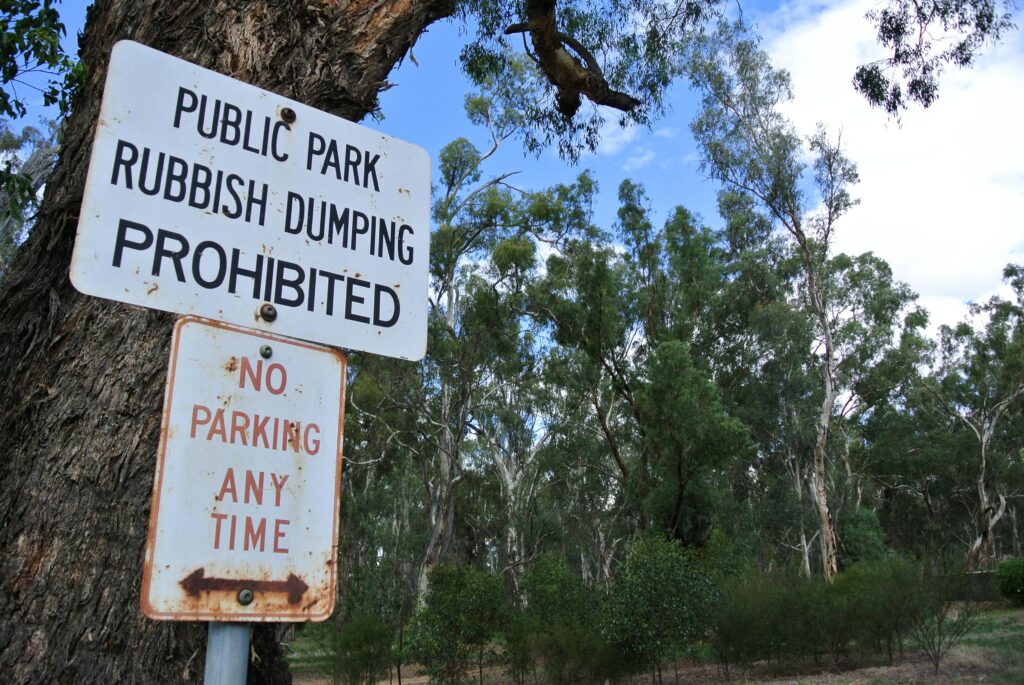
Visitor Rules & Park Regulations
Nairobi National Park Rules and Visitor Regulations
Nairobi National Park rules are designed to protect visitors, wildlife, habitats, and the wider conservation area managed by the Kenya Wildlife Service. Before entering the park, you should know the main visitor regulations covering wildlife viewing distance, vehicle conduct, speed limits, drones, photography, litter, picnic areas, and emergency procedures.
This page focuses only on Nairobi National Park rules and visitor conduct. For a broader planning overview, start with our Nairobi National Park visitor guide. For current conservation fees, resident and non-resident ticket categories, child rates, and eCitizen payment steps, read our dedicated Nairobi National Park entry fees guide.
Main Nairobi National Park Rules at a Glance
The main Nairobi National Park rules are simple: respect wildlife, stay inside your vehicle except in designated areas, keep a safe distance from animals, drive only on designated tracks, observe the park speed limit, avoid noise, do not litter, do not feed animals, do not use drones without written authorization.
- Wildlife has right of way: do not chase, block, crowd, surround, feed, or provoke animals.
- Stay in your vehicle: leave the vehicle only at designated picnic points, viewpoints, gates, or approved visitor areas.
- Keep distance: maintain a safe viewing distance from wildlife, especially predators, rhinos, buffaloes, and any stressed or moving animals.
- Observe the speed limit: the general Nairobi National Park speed limit is 40 kph (25m/h) unless signs or rangers instruct otherwise.
- Use designated roads only: off-road driving damages grassland, soil, and wildlife habitat.
- No drones without approval: drone use requires explicit written authorization from KWS and relevant aviation authorities.
- Personal photography is allowed: but commercial filming, documentaries, professional shoots, and disruptive photography methods require permission.
Nairobi National Park Visitor Rules for Wildlife Viewing
Nairobi National Park visitor rules require you to treat the park as wildlife habitat first and a visitor destination second. Animals must never be chased, fed, surrounded, blocked, called, provoked, or pressured for photographs. Wildlife has the right of way at all times.
Keep a safe distance from animals
Keep a respectful distance from all wildlife. A minimum distance of about 20 metres is commonly used as a safe baseline, but some animals require more space depending on their behaviour, species, position, and stress level. Predators, rhinos, buffaloes, and any animal with young should be viewed with extra caution.
Do not feed wildlife
Feeding wildlife is not allowed. It disrupts natural feeding behaviour, creates dependency, encourages animals to approach vehicles or people, and can make wildlife dangerous to future visitors.
Do not crowd or block animals
Vehicles should not encircle wildlife, block an animal’s path, cut off a predator during a hunt, or prevent other visitors from viewing safely. When several vehicles are present, each driver should leave space for the animal to move freely.
Stay inside your vehicle
Stay inside your vehicle unless you are at a designated area where visitors are allowed to step out. Walking toward wildlife, approaching animals on foot, or provoking reactions for photographs is unsafe and against responsible park conduct.
Nairobi National Park Driving Rules and Speed Limit
Nairobi National Park driving rules require visitors and driver-guides to obey park signs, stay on designated roads and tracks, avoid off-road driving, avoid hooting, drive sober, and keep within the speed limit. These rules protect wildlife, reduce accidents, and prevent damage to grassland and sensitive habitats.
What is the Nairobi National Park speed limit?
The Nairobi National Park speed limit is generally 40 kph (25 mph). You should drive more slowly near wildlife, corners, junctions, picnic areas, gates, dams, riverine sections, wet tracks, and any place where visibility is limited.
Stay on designated roads and tracks
Off-road driving is not allowed. Driving off designated roads can crush grass, disturb nesting birds, damage soils, create erosion lines, and pressure animals that depend on open space to rest, feed, move, or hunt.
No hooting, crowding, or reckless driving
Hooting, racing, sudden acceleration, blocking other vehicles, and pressuring animals with the vehicle are not acceptable visitor behaviours. Nairobi National Park is a protected area, not an ordinary public road.
No drunk driving
Driving under the influence of alcohol or drugs is prohibited. A safari vehicle must be handled carefully because visitors are sharing space with large mammals, predators, other vehicles, rangers, cyclists in approved areas, and authorised park personnel.
Can you leave and re-enter Nairobi National Park?
You cannot leave Nairobi National Park and re-enter later using the same ticket. The safer planning assumption is that your ticket allows one entry only. If you need current ticket categories, payment instructions, or eCitizen guidance, including details on single-entry ticket validity for Nairobi National Park, read our comprehensive guide on Nairobi National Park Entry Fees and Tickets (2026).
This is especially important when planning half-day safaris, full-day safaris, airport layover visits, lunch breaks, and combination tours. If your itinerary includes another attraction outside the park, plan the order carefully so you do not lose your park entry.
What Is Not Allowed in Nairobi National Park?
Nairobi National Park regulations prohibit behaviour that endangers people, disturbs wildlife, damages habitat, or interferes with park management. The most important prohibited activities are feeding animals, leaving your vehicle in unsafe areas, off-road driving, littering, reckless driving, using drones without permission, and disturbing wildlife for photographs.
- Do not feed wildlife.
- Do not chase, block, crowd, encircle, or provoke animals.
- Do not approach animals on foot.
- Do not leave your vehicle except at designated visitor areas.
- Do not drive off designated roads or tracks.
- Do not exceed the park speed limit.
- Do not hoot, shout, play loud music, or disturb wildlife with noise.
- Do not litter or leave food waste in the park.
- Do not pick plants, remove natural objects, damage rocks, or disturb habitats.
- Do not use drones without written authorization.
- Do not carry out commercial filming or professional shoots without required permits.
- Do not use flash, baiting, calls, or other methods that disturb wildlife.
- Do not light fires except where explicitly authorised.
- Do not leave food unattended at picnic sites.
- Do not ignore ranger, warden, or authorised guide instructions.
Nairobi National Park Drone Rules
Drone use is not allowed in Nairobi National Park unless you have explicit written authorization from the Kenya Wildlife Service and the relevant aviation authorities. Visitors should not assume that a recreational drone can be flown inside the park.
Drones can disturb wildlife, interfere with animal movement, create stress around nesting birds and large mammals, and raise safety and security concerns. If you are planning commercial filming, aerial photography, conservation documentation, or media work, arrange permissions before arriving at the gate.
Nairobi National Park Photography Rules
Personal photography is generally allowed in Nairobi National Park, provided it does not disturb wildlife, block other visitors, damage habitat, or interfere with park operations. Responsible photography means keeping distance, staying inside the vehicle where required, avoiding flash around wildlife, and never provoking an animal for a better shot.
Personal photography
Visitors may take normal personal photos during a safari. You should avoid shouting, baiting, clapping, whistling, using flash, or directing the driver to pressure animals for a photograph.
Commercial filming and professional shoots
Commercial filming, documentaries, professional photography assignments, media productions, advertising shoots, and similar work may require KWS permits and fees. If the purpose is commercial or professional, confirm the requirements before filming.
Photographing people and communities
Always ask permission before photographing people, staff, neighbouring communities, private property, or identifiable individuals. Nairobi National Park borders a living city and neighbouring community landscapes, so normal consent and privacy expectations still apply.
Environmental Rules Inside Nairobi National Park
Nairobi National Park regulations protect the park’s grasslands, wetlands, riverine vegetation, dry forest edges, dams, rocky viewpoints, and wildlife movement areas. Visitors should leave the park as they found it.
- Carry out all litter: do not leave plastic, bottles, food wrappers, tissues, or food waste in the park.
- Do not disturb natural features: do not pick plants, remove rocks, damage trees, or disturb soil and vegetation.
- Use facilities responsibly: toilets, picnic areas, viewpoints, gates, and visitor spaces should be left clean.
- Be careful with fire: fires are not allowed except in authorised areas where KWS permits them.
- Smoking: smoking should only take place where permitted and never in a way that creates fire risk or litter.
Picnic, Rest Area, and Facility Rules
Picnicking in Nairobi National Park is allowed only in designated picnic areas or approved visitor points. Food should never be left unattended because it can attract wildlife, create risky animal behaviour, and leave waste in the park.
- Use only designated picnic sites and rest areas.
- Do not leave food, containers, or bags accessible to wildlife.
- Carry out all food waste and packaging.
- Do not feed monkeys, birds, or other wildlife near picnic areas.
- Follow any site-specific instructions from KWS staff, rangers, or posted signs.
Safety Rules and Ranger Instructions
Visitor safety in Nairobi National Park depends on common sense, responsible driving, and cooperation with KWS staff. If a ranger, warden, or authorised park officer gives instructions, follow them immediately.
Wildlife incidents, dangerous encounters, injured animals, blocked roads, fire, flooding, medical emergencies, or security concerns should be reported to park staff as soon as possible. Visitors are also advised to carry suitable travel or safari insurance, especially where medical evacuation or emergency treatment may be required.
Are Night Game Drives Allowed in Nairobi National Park?
Night game drives are not part of the normal self-drive visitor experience in Nairobi National Park. If a night activity is available in select areas or under special arrangements, confirm directly with KWS or the relevant authorised operator before planning around it.
Nairobi National Park Emergency Contacts
For emergencies inside Nairobi National Park, visitors should follow ranger instructions and contact the park office or KWS customer support where needed. Keep these details available before your visit:
Nairobi National Park Senior Warden
P.O. Box 47076, Nairobi, Kenya
Telephone: 020-2423423 / +254-020-2587435
Email: nnp@kws.go.ke
For official ticketing, gate access, payment, and park-entry questions, contact KWS directly. For safari planning, vehicle guidance, gate choice, and tour timing, use our Nairobi National Park visitor guide or the relevant NairobiPark.org tour page.
Frequently Asked Questions About Nairobi National Park Rules
What are the main Nairobi National Park rules?
The main Nairobi National Park rules are to respect wildlife, stay inside your vehicle except at designated areas, keep a safe distance from animals, drive only on designated roads, observe the 40 kph(25 mph)speed limit, avoid feeding wildlife, avoid littering, and follow KWS ranger instructions.
What is the Nairobi National Park speed limit?
The general Nairobi National Park speed limit is 40 kph. Drive more slowly near animals, gates, picnic sites, wet tracks, corners, dams, junctions, and areas with limited visibility.
Can you leave and re-enter Nairobi National Park?
Nairobi National Park tickets are generally single-entry, meaning that once you leave the park, you should not expect to re-enter later on the same ticket. Plan lunch breaks, combo tours, and afternoon activities carefully before exiting.
Are drones allowed in Nairobi National Park?
Drones are not allowed in Nairobi National Park unless you have explicit written authorization from KWS and relevant aviation authorities. Recreational visitors should not fly drones inside the park.
Is photography allowed in Nairobi National Park?
Personal photography is generally allowed, but it must not disturb wildlife or other visitors. Commercial filming, documentaries, professional shoots, and disruptive photography methods may require permits or may be prohibited without authorization.
Can visitors get out of the vehicle in Nairobi National Park?
Visitors should stay inside the vehicle except at designated areas such as approved picnic sites, viewpoints, gates, or other places where stepping out is allowed. Do not approach wildlife on foot.
What is not allowed in Nairobi National Park?
Feeding wildlife, off-road driving, speeding, littering, hooting, crowding animals, leaving the vehicle in unsafe areas, using drones without permission, disturbing wildlife for photos, and commercial filming without permits are not allowed.
Are Nairobi National Park rules different from entry fees?
Yes. Rules explain how visitors should behave inside the park, while Nairobi National Park entrance fees explain ticket prices, visitor categories, and eCitizen payment steps. For prices and ticket guidance, use the dedicated Nairobi National Park entry fees page.
Welcome to Nairobi National Park (NNP), a unique wildlife haven located just a stone’s throw from the bustling city of Nairobi. As you explore this incredible park, it’s important to remember that you are a guest in the animals’ natural habitat. To ensure both your safety and the well-being of the wildlife, please adhere to the following rules and guidelines as set out by Kenya Wildlife Service which manages the Park. The rules below were put out in 2019 and are still in effect 6 years later in 2025.
Nairobi National Park is managed by the Kenya Wildlife Service (KWS) under the Wildlife Conservation and Management Act, 2013 and its regulations.
Respect Wildlife and Their Habitat
- You Are in the Wildlife’s Home: Respect the animals’ privacy and right of way at all times.
- Do Not Feed the Wildlife: Feeding animals disrupts their natural diet and fosters dependency on humans, which can be dangerous.
- View from a Distance: Maintain a minimum distance of 20 meters from wildlife to avoid disturbing them.
- Stay Inside Your Vehicle: Except at designated areas, you are required to remain inside your vehicle with doors closed.
- No chasing, blocking, or crowding wildlife with vehicles.
- Keep Noise to a Minimum: Loud noises can disturb the wildlife’s natural behavior. Use mobile phones and sound devices sparingly.
- Maximum viewing etiquette applies: do not encircle animals or obstruct other visitors.
- Wildlife has absolute right of way at all times.
- Do not approach animals on foot or provoke reactions for photos.
- Predators, rhinos, buffalo, and elephants require extra distance and caution.
- In the event of a wildlife incident or dangerous encounter, follow ranger or guide instructions immediately.
- Emergency procedures are governed by KWS safety protocols; visitors must cooperate fully.
- Personal travel or safari insurance is strongly recommended for medical evacuation and liability risks.
Park Driving Regulations
- General Rules of the Road Apply: Obey all road signs and park regulations.
- No Hooting or Honking: It startles the animals and disrupts the park’s tranquility.
- Strictly No Drunk Driving: Driving under the influence of alcohol is prohibited.
- Observe the Speed Limit: The maximum speed within the park is 40 kph (25 mph). Speeding attracts penalties.
- Stay on Designated Roads and Trails: Off-road driving is strictly prohibited to protect the ecosystem.
- Park tickets are single-entry. Once you exit, you cannot re-enter on the same day with the same ticket.
- For details on Nairobi National Park opening hours, with details on when the gates open, the earliest time to arrive at the gate, closing time, safari duration, and last time of entry, read this guide on Nairobi National Park Opening Hours, Timing and Safari Duration Guide.
Environmental Responsibility
- Carry Out Your Trash: Leave no litter behind. Help keep the park clean and natural.
- Do Not Disturb Natural Features: Avoid picking plants, disturbing rocks, or altering the landscape in any way.
- Campfires: If camping, never leave campfires unattended.
- Smoking is not allowed but can smoke in designated areas at the gates.
Photography, Filming, and Drones
- Personal photography is generally allowed for non-commercial use.
- Commercial filming, documentaries, and professional shoots require prior KWS permits and fees.
- Drones are prohibited in Nairobi National Park without explicit written authorization from KWS and relevant aviation authorities.
- Flash, baiting, or any method that disturbs wildlife is not permitted.
- Equipment may be confiscated if used in violation of park rules.
- Respect Local Communities: Always seek permission before photographing people or their property.
Picnics, Rest Areas, and Facilities
- Picnicking is allowed only in designated picnic sites.
- Do not leave food unattended or accessible to wildlife.
- Fires are prohibited except in authorized areas if any are designated by KWS.
- All facilities must be used in accordance with park environmental and hygiene rules.
Special Notes
- Night Game Drives: Allowed in select areas. Inquire at the park offices for details.
- Emergency Contacts: In case of emergencies, contact the park’s senior warden:
- Nairobi National Park
- Senior Warden: P.O. Box 47076
- Tel: 020-2423423 / +254-020-2587435
- Email: nnp@kws.go.ke
- Nairobi National Park
Related: