
A safari in Nairobi National Park(NNP) is unlike any other in Africa. You are exploring a true savannah ecosystem—home to lions, rhinos, giraffes, and buffalo—while remaining minutes from a major capital city. This unique setting means your packing list should balance practical safari needs, variable weather, and short-duration logistics, especially for half-day and full-day game drives.
This guide covers everything you need to wear and pack to stay comfortable, respectful, and safari-ready.
Understanding the Safari Context in Nairobi NP
Most Nairobi NP safaris are:
- Half-day (4–5 hours) or full-day (8–10 hours)
- Conducted in a 4×4 safari vehicle with a pop-up roof
- Exposed to sun, wind, dust, and occasional rain
- Non-walking experiences (you remain in the vehicle at all times)
Because you are seated for long periods and moving between open plains and shaded riverine areas, comfort, layering, and sun protection matter more than fashion.
What to Wear on a Nairobi National Park Safari
1. Neutral-Coloured Clothing (Essential)
Choose earth-toned colours that blend with the landscape:
- Khaki, beige, olive, brown, muted green
- Light grey is acceptable
Avoid:
- Bright colours (red, neon, white)
- Dark blue and black (can attract insects)
- Loud patterns or reflective fabrics
Neutral colours reduce disturbance to wildlife and help you stay cool.
2. Lightweight, Breathable Layers
Nairobi’s weather can shift quickly—cool mornings, warm midday sun, and breezy afternoons.
Recommended layering system:
- Lightweight T-shirt or long-sleeve shirt (cotton or technical fabric)
- Light fleece or thin jacket for early mornings
- Optional windbreaker, especially in open plains
Long sleeves are useful for sun protection and dust, not warmth.
3. Trousers Over Shorts (Strongly Recommended)
While shorts are not prohibited, lightweight trousers are more practical:
- Protect against sun and dust
- More comfortable during long seated drives
- More appropriate for park environments
Convertible zip-off trousers work well for full-day safaris.
4. Comfortable Closed-Toe Shoes
You will not be walking in the park, but footwear still matters.
Best options:
- Trainers / sneakers
- Lightweight hiking shoes
Avoid:
- Flip-flops
- High heels
- Heavy boots (unnecessary)
Comfort while sitting and stepping in and out of the vehicle is key.
5. Hat & Sunglasses (Non-Negotiable)
- Wide-brimmed hat or safari cap
- Polarised sunglasses if possible
The equatorial sun can be intense even on cloudy days.
What to Pack for a Nairobi NP Safari


4
1. Sun & Weather Protection
- Sunscreen (SPF 30+ or higher)
- Lip balm with SPF
- Lightweight rain jacket (especially March–May & Oct–Nov)
Even short safaris involve prolonged sun exposure.
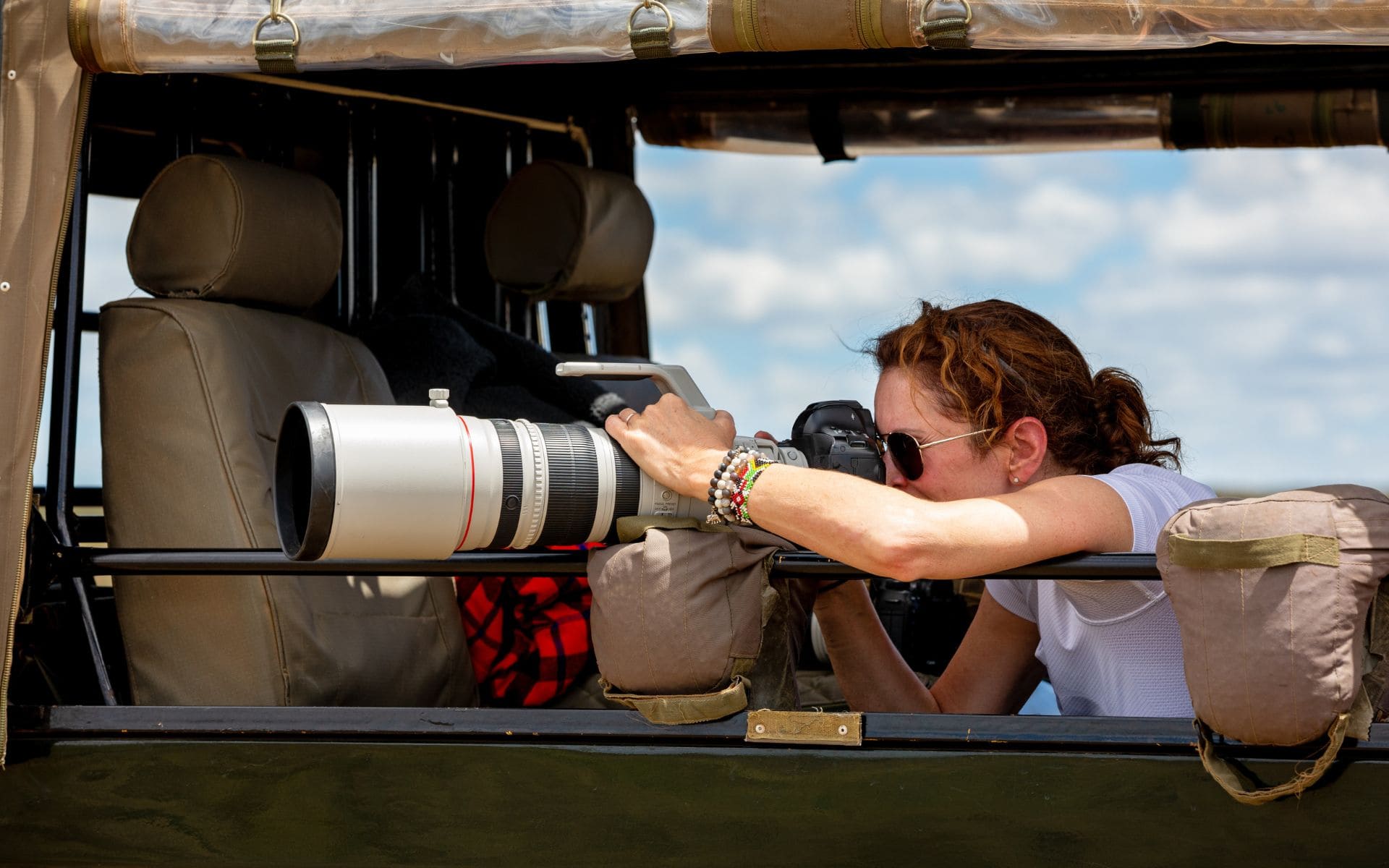
2. Camera & Optics
- Camera or smartphone with good zoom
- Extra batteries or power bank
- Binoculars (highly recommended, especially for birdlife and distant sightings)
Nairobi NP offers excellent photography opportunities, including iconic wildlife-with-skyline scenes.
3. Drinking Water
Most professional safari operators provide drinking water, but carrying an extra bottle is wise—especially on full-day tours.
Staying hydrated is essential at altitude and in dry conditions. Please note that single-use plastic are not allowed. If you book a tour with us, we provide water but kindly request you carry your own water bottle.
4. Small Daypack
Bring a compact backpack to keep essentials organized:
- Camera gear
- Sunscreen
- Hat
- Personal items
Avoid large bags that clutter vehicle space.
5. Personal Essentials
- Insect repellent (especially near riverine areas)
- Personal medication
- Hand sanitiser or wet wipes
- Tissues or toilet paper (facilities are limited inside the park)
Seasonal Packing Considerations
Dry Season (June–October & Jan–Feb)
- Dust is common → bring sunglasses and a light scarf
- Wildlife visibility is excellent
- Mornings can still be cool
Rainy Seasons (March–May & Oct–Nov)
- Pack a rain jacket
- Roads may be muddy
- Lush scenery and excellent birdlife
Safari activities continue year-round.
What NOT to Bring on Safari
- Drones (strictly prohibited in national parks)
- Loud music or portable speakers
- Plastic bags (restricted in Kenya)
- Feeding items for animals
- Alcohol (unless explicitly permitted by your operator)
Park rules are enforced by Kenya Wildlife Service, and violations can result in fines or removal from the park.
Special Notes for Half-Day vs Full-Day Safaris
Nairobi Park Half-Day Safari
- Pack light
- Focus on sun protection and camera gear
- No need for extra clothing changes
Full Day Nairobi N.P Safari
- Add a packed lunch (if not provided)
- Extra water
- Power bank for devices
- Additional sunscreen application
Family & First-Time Visitor Tips
- Dress children in neutral colours as well
- Avoid novelty hats or costumes
- Bring snacks for kids (sealed, non-messy)
- Explain wildlife-viewing etiquette in advance
Final Packing Philosophy
For a Nairobi National Park safari, practical beats fashionable. Your goal is to remain:
- comfortable,
- unobtrusive to wildlife,
- protected from sun and dust,
- and free to enjoy the experience.
Packing thoughtfully enhances not only your comfort, but also your ability to observe wildlife respectfully in one of Africa’s most unique conservation landscapes. Whether you are on a short half-day game drive or a full-day safari with add-on experiences, the right clothing and essentials ensure you focus on what truly matters: the wildlife, the landscape, and the story of conservation at the edge of a global city
Check out this guide on Health and Safety when Visiting Nairobi National Park