Hippo Pools Nature Trail + Hippo Pool Walk for Visitors
The Nairobi National Park Hippo Pool Nature trail is a designated walking trail inside Nairobi National Park. It is one of or top recommending things to stop by when visiting the Park. Many visitors who have gone on the Hippo Pool Nature trail have described it as one of the park’s most rewarding riverine stops because it combines a dependable water-and-wildlife viewing area with a designated picnic zone and the Hippo Pools Nature Trail—also called the hippo pool walk.
Unlike most of Nairobi National Park (where visitors are advised to stay inside their vehicles), Hippo Pools is as a designated area where visitors can safely step out at the picnic site and, when conditions allow, follow a short nature trail in the shaded river-edge habitat. KWS park rules emphasize that visitors should remain in vehicles unless at designated areas, which is exactly why Hippo Pools is such a standout stop for anyone wanting a controlled on-foot moment inside the park.
This guide explains where Hippo Pools is, what the Hippo Pools Nature Trail actually is, what you can realistically see, and how to visit safely, so you can plan an efficient route and get the best experience without guesswork.
What Hippo Pools Is and Why It’s Worth Prioritizing

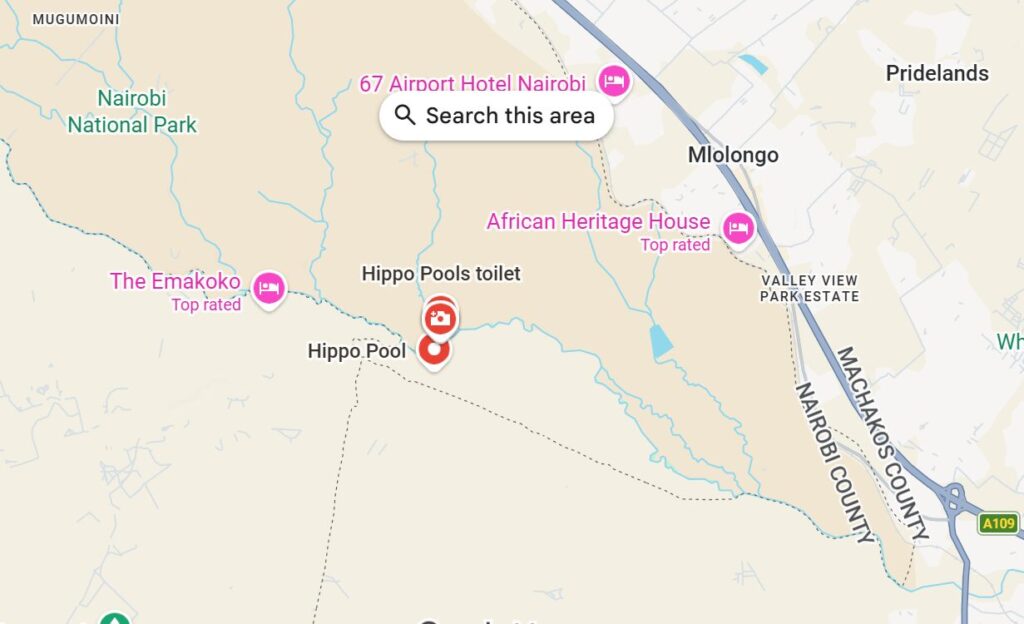
Hippo Pools sits in a riverine strip along the southern western edge of Nairobi National Park, and along the Mbagathi River area in many visitor guides. I’ve seen some online sources saying its along Athi River which is incorrect as Athi River does not pass through Nairobi County. Those confusing for Athi River is possibly because Hippo Pool Nature trail is overlooking the Athi Plains within the Nairobi National Park. This location is frequently described as the park’s key hippo concentration area, and is also known for crocodile sightings and excellent birdlife compared with the open plains.
What makes this stop different from most “viewing points” is the presence of an officially recognized trail concept in KWS planning documents: the Nairobi National Park Management Plan (2020–2030) explicitly references the Hippo Pools trail starting at the Hippo Pools picnic site and ending at the Hippo Pools bridge, and discusses upgrading the picnic site and nature trail.
In plain terms: Hippo Pools isn’t just a place to stop and look at water—it’s one of the few areas consistently described as having a nature trail that visitors associate with a short, controlled walk.
Hippo Pools Nature Trail: What It Is (and What It Isn’t)
What it is:
The Hippo Pools Nature Trail is a short, designated riverine walking trail inside Nairobi National Park that begins at the Hippo Pools picnic site and ends at the Hippo Pools bridge, which provides access across the Mbagathi River toward the Community Curio Centre.
In practical terms, this is not a long hike or a full walking safari route—it is a brief, controlled nature walk designed to let visitors experience the river-edge habitat on foot in a park that is otherwise primarily explored by vehicle.
Most guides and park references describe it as a short trail suitable for a slow, interpretive walk, typically taking well under an hour at a relaxed pace, depending on stops for birdwatching and wildlife observation. Its value is not in distance covered but in habitat immersion: shaded riverine vegetation, water-edge viewpoints, and the chance to observe hippos, crocodiles, birds, and smaller river-associated species from safe, designated points rather than from a car window.
The Hippo Pools picnic site at the trailhead is one of the better-equipped rest stops inside the park and is designed to support both short breaks and the nature trail experience. The site has ample vehicle parking space and currently includes a grass-thatched resting shed, five benches (with two located in the open), four flush toilets, and two sets of waste-sorting bins.
These amenities make it a practical place to pause during a game drive, stretch your legs, and prepare for or conclude the short walk. According to park planning documents, the site is popular with visitors and is earmarked for renovation and additional amenities, while the trail itself has at times been overgrown with vegetation and requires clearing to ensure safe use.
Beyond visitor comfort, the Hippo Pools Nature Trail is also described as an important link between the park and local communities, helping encourage environmental awareness, cultural connection, social responsibility, and livelihood opportunities—making it not just a scenic stop, but a meaningful interface between conservation, tourism, and community engagement.
What it isn’t
It is not a free roaming walking safari across Nairobi National Park. KWS park rules are clear that you are advised to remain in your vehicle unless at designated areas, and KWS posts reiterate remaining in the vehicle unless in designated areas/picnic sites.
So when visitors search “hippo pool walk,” the accurate expectation is: a short designated trail experience attached to a picnic site, not walking anywhere in the park.
What You Can See at Nairobi National Park Hippo Pool
Hippo Pools is a habitat-driven stop. Sightings are never guaranteed, but the ecosystem here stacks the odds.
High likelihood
- Hippos: Often present in the water, though visibility varies with reeds, water level, and how often they surface. Hippo Pools is widely referenced as the park’s main hippo concentration.
- Waterbirds and river-edge birds: The river corridor and shaded edges tend to deliver consistent bird activity.
Medium likelihood
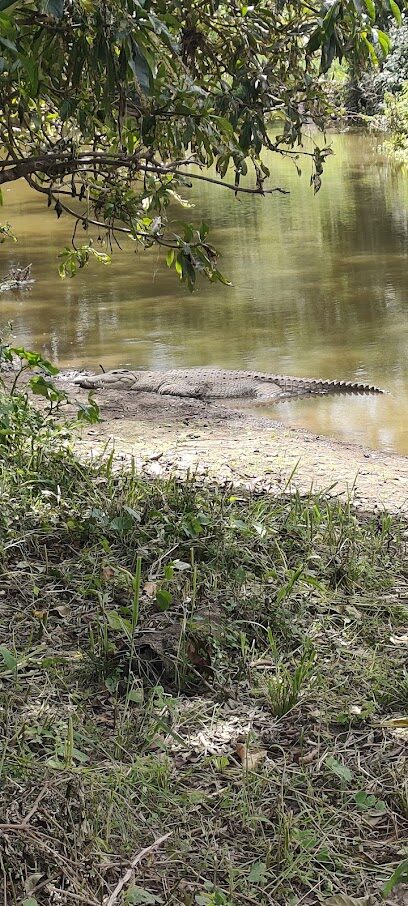
- Crocodiles: Frequently mentioned by visitor guides in the Hippo Pools zone, especially basking on muddy banks when conditions are right.
- Monkeys / small riverine fauna: Some guides highlight monkeys and terrapins in the riverine stretch.
Low likelihood but possible
- Interesting predator movement near the corridor (more often a “bonus” than an expectation)
- Rare or seasonal bird specials depending on rainfall and river condition
Reality check: Hippo Pools can be quiet for long stretches. The win is often the combination of river scenery, birdlife, and the chance of hippo/croc behavior, not constant action.
Best Time to Visit Hippo Pools
Most visitors want to know the “best time to see hippos.” The simplest rule of thumb is tied to temperature and light:
- Late afternoon into dusk often increases movement and surfacing (and gives better photo light).
- Morning can be excellent for calm viewing and birds.
- Midday can still work, but expect more “still water” behavior and heat shimmer.
If you’re planning a route, Hippo Pools often works best as either:
- A mid-drive reset (slow down, watch water, scan birds), or
- A late-drive highlight before exiting.
How to Visit the Nairobi National Park Hippo Pool
Timing, Duration, Safety
Timing
- Plan Hippo Pools as a stop within your game drive circuit, not the first point you rush to.
- If you’re trying to maximize chances, aim for morning or late afternoon.
- Hours for Walks: 8 AM to 5 PM Monday to Saturday. Closed on Sundays.
Duration
- Quick stop: 10–20 minutes (scan water, crocodile banks, bird edges)
- Proper stop: 30–45 minutes (behavior watching + slow birding)
- With nature trail walk: budget extra time depending on the armed ranger guidance and conditions
- Please note that you have to book the walk in advance as KWS has to provide you with an armed ranger to accompany you.
Safety
This matters more than anything else.
- KWS rules advise visitors to remain in vehicles unless at designated areas. Hippo Pools is treated as a designated picnic/trail context, but you should still treat it as controlled and conditional.
- Only exit the vehicle at the picnic site / designated areas, and follow ranger or guide instructions.
- Do not approach the water edge for photos. Hippos and crocodiles are not “safe wildlife.”
- Keep noise low and avoid flash photography around animals.
Routes and Landmarks: How Hippo Pools Fits into a Game Drive
You can pair Hippo Pools walk with in your regular Nairobi National Park safari and you’ll enjoy the habitats contrast nicely: Enter through main gate then drive south along the open plains → landmark zone → riverine corridor in the South Western part of the Park → return.
The key idea is to treat Hippo Pools as a riverine segment within a circuit rather than a standalone destination.
What to Bring for the Hippo Pools Nature Trail and Hippo Pool Walk
- Binoculars for birds and water-surface scanning
- Long lens for hippos/crocodiles instead of trying to get closer
- Water and sun protection
- Closed shoes if you expect to do any trail segment
- Patience: water viewing is often subtle until it suddenly isn’t
A Practical Visitor Mindset: How to “Win” Hippo Pools
Hippo Pools rewards a different viewing style than open plains. Instead of chasing movement, you slow down and watch for:
- repeated surfacing points
- ripples and bubble trails
- crocodile basking outlines
- bird activity along reed edges
- vocalizations and sudden dominance displays in the pod
If you approach it like a “quiet observation stop,” it delivers far more consistently.
Read about other picnic sites at Nairobi National Park or check out other activities to do at Nairobi National Park including a walk at Nairobi Safari Walk.