
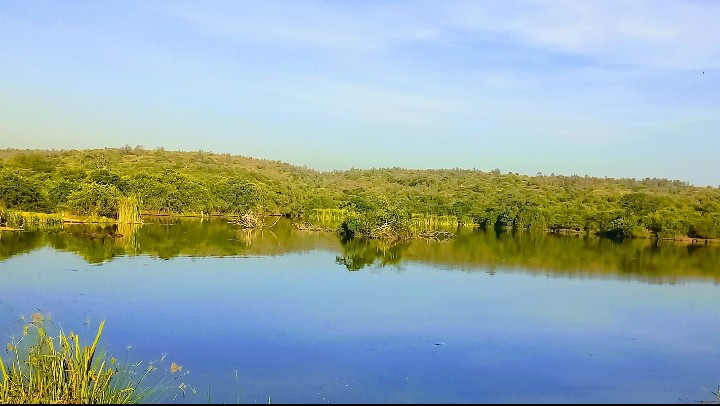
Nagolomon Dam is one of the most important water bodies inside Nairobi National Park (NNP), acting as a magnet for wildlife, a hotspot for birdlife, and a scenic stop on most game-drive routes. Positioned within the southern/central sections of the park (depending on route choice), this dam plays a crucial ecological role by providing reliable water for herbivores, predators, and wetland species throughout the year — especially during the long dry season when natural rivers and pans recede.
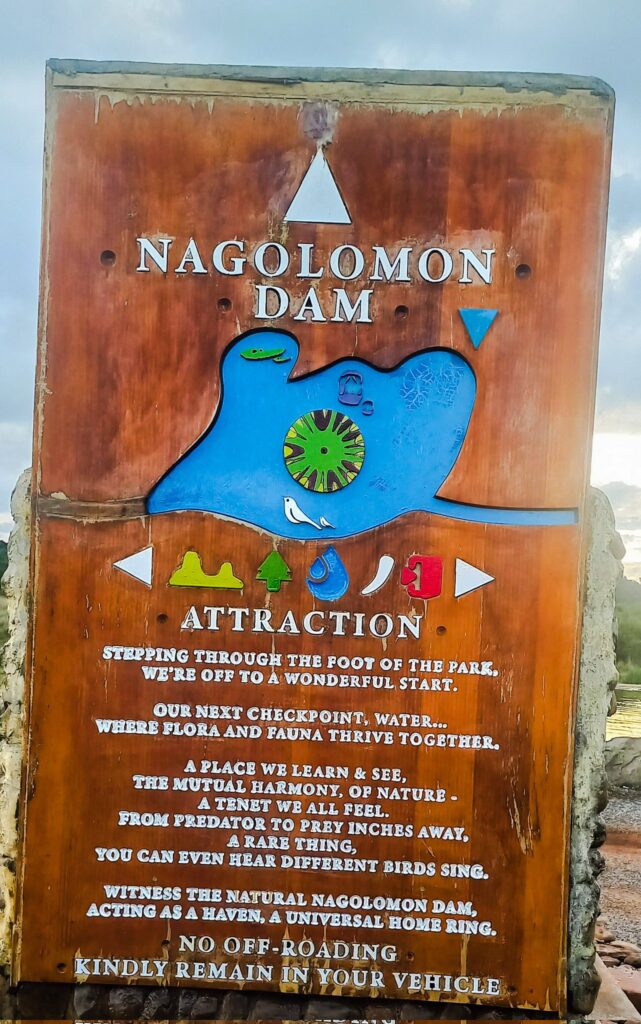
For visitors, Nagolomon offers a concentrated wildlife-viewing opportunity: large mammals grazing and drinking, birds feeding along the wet edges, predators moving in the background, and scenic reflections that make it a favourite for photographers.
This guide offers an expert breakdown of what Nagolomon Dam is, why it matters, what you’ll see, how game-drive routes use it, and practical tips for planning your visit.
1. What Is Nagolomon Dam?
Origin, Purpose & Ecological Function
Nagolomon Dam is a man-made water reservoir constructed to supplement the park’s natural hydrology. Nairobi National Park experiences seasonal fluctuations in water availability because it relies on periodic rainfall, seasonal wetlands, and the Mbagathi River along the southern boundary.
To stabilize water access for wildlife, several artificial dams — including Nagolomon, Hyena Dam, and Athi Dam — were created. Nagolomon, in particular:
- Provides dependable water during dry spells
- Supports grazing areas around it by maintaining green belts
- Preserves wetland micro-habitats needed by frogs, insects, and waterbirds
- Helps regulate wildlife distribution during drought
- Reduces conflict by keeping animals inside the park rather than outside in search of water
Because of this, the dam is a core ecological asset in the park’s management strategy.
2. Wildlife Around Nagolomon Dam
Mammals, Predators, Reptiles & Seasonal Species
Nagolomon Dam sits at the intersection of open grassland, shrubland, and wetland habitat — a blend that attracts a large concentration of wildlife across seasons.
Common Mammals Seen
- Zebra – frequent drinkers, often in large herds
- Giraffes – visible along the dam edge browsing on acacia stands
- Buffalo – often rest or cool near water
- Impala, Grant’s Gazelle, Thomson’s Gazelle – grazing on lush growth around the dam
- Hartebeest, eland, and wildebeest – especially during dry months
Predators
Although water edges are not always the prime lion-hunting grounds, expect:
- Lions moving along nearby tracks
- Hyenas tracking grazers
- Leopards occasionally seen near wooded sections
- Jackals patrolling wetland edges
Predators often use water sources as part of their movement circuits, especially early morning and late afternoon.
Aquatic & Semi-Aquatic Wildlife
Depending on season and water level, you may find:
- Hippos in deeper sections
- Crocodiles basking near the waterline
- Terrapins & frogs
Birdlife
Nagolomon is a hotspot for bird watchers, attracting:
- Herons, egrets, ibises
- Egyptian geese, spur-winged geese, knob-billed ducks
- African fish eagles, black kites, martial eagles (depending on season)
- Waders such as stilts, lapwings, sandpipers
- Migratory birds between September–April
The diversity is part of the reason the park is considered an Important Bird Area (IBA).
3. Game Drive Routes That Pass Nagolomon Dam
1/1 The calm demeanour of Nagolomon Dam invites you to experience a rich symphony of the sights and sounds that abound this wildlife capital. And if sunsets hypnotize and bring joy and warmth into your soul, then this stopover is for you ♥️ pic.twitter.com/5sq1TyPJtM
— Nairobi National Park (@KWSNairobiPark) November 16, 2024
How Safari Vehicles Use This Dam Within a Full-Day or Half-day Tour
Nagolomon is typically included in both full-day and half-day routes, especially those focusing on a wide sweep of the park’s ecosystems.
A typical route might include:
- Western Savannah – start of early predator viewing
- Hyena Dam – waterbirds + grazing mammals
- Kingfisher Track – scenic woodland-grassland mix
- Nagolomon Dam – mid-morning or early-afternoon stop for wildlife concentrated around water
- Athi Basin & Athi Dam – expansive plains
- Leopard Cliffs – excellent for scenery & possible leopard sightings
- Rhino Sanctuary (Kifaru Ark)
- Ivory Burning Site Monument
Nagolomon acts as a central ecological anchor in this loop, offering a different wildlife mix from the dam systems in the west and south.
4. Photography & Viewing Conditions at Nagolomon
Why It Is a Favourite Spot for Photographers
Nagolomon Dam is appealing to photographers because:
- Reflections on calm water provide dramatic composition
- Birdlife along the wetland edge offers variety
- Golden hour lighting illuminates the dam beautifully
- Foreground wildlife + skyline background creates a rare Nairobi-wild hybrid
- Open space around the dam gives opportunities for clean shots without obstruction
Morning and late afternoon are the best times for photography, especially if the water surface is still.
5. Best Time to Visit Nagolomon Dam
Seasonal & Daily Timing Insights
Best seasons:
- June–October (dry season) — highest wildlife concentration
- January–February (short dry season)
During dry conditions, water bodies become magnets for animals.
Best time of day:
- 6:00 AM – 9:00 AM — predators retreat, grazers gather
- 3:30 PM – 5:30 PM — animals return to drink, dramatic lighting
Midday sees more relaxed grazing and resting behaviour.
6. Visitor Experience — What to Expect at Nagolomon Dam
Vehicle-based Viewing & Safety Considerations
Visitors can expect:
- Vehicle-based observation only:
Walking is not permitted here, unlike Hippo Pools where guided walks are allowed. - Steady stream of wildlife:
Herds, birds, predators, and occasional aquatic species depending on the season. - Good visibility:
The dam surroundings are relatively open, allowing clear views. - Seasonal water levels:
During peak dry spells the dam may shrink, but still remains a focal point for wildlife.
7. Conservation Value of Nagolomon Dam
Role in Hydrology, Biodiversity & Wildlife Management
Nagolomon Dam is crucial for conservation because it:
- Maintains wildlife inside the park during drought
- Provides dependable water that eases pressure on natural springs
- Supports wetland flora and fauna
- Strengthens biodiversity during extreme weather patterns
- Helps reduce human–wildlife conflict along boundaries
In ecological planning, such dams are essential buffers in a semi-arid savannah ecosystem.
8. Frequently Asked Questions (FAQ)
Is Nagolomon Dam natural or artificial?
Artificial — built to stabilize water supply inside the park.
Can I get out of the car at Nagolomon Dam?
No. All viewing is from the vehicle for safety.
Are predators common here?
They are present, but typically move through rather than settle permanently. Early and late hours offer the best chances.
Is it good for birdwatching?
Yes — one of the best wetland bird spots in NNP.
Is Nagolomon included in a standard full-day tour?
Yes — it is part of most guided routes.
9. Expert Tips for Visitors
- Visit in early morning or afternoon for best sightings
- Bring binoculars for birdwatching
- Use a pop-up roof vehicle for clear views
- Combine Nagolomon with Leopard Cliffs, Athi Plains, and Hyena Dam
- Keep noise low and avoid sudden movement
Final Summary — Why Nagolomon Dam Is a Must-See Site
Nagolomon Dam is one of Nairobi National Park’s most important ecological hubs — a meeting point for grazers, predators, wetland species, and migratory birds. As a landmark, it offers a quintessential blend of savannah scenery, concentrated wildlife activity, and the peaceful atmosphere of a water source in the wild.
For safari-goers, Nagolomon delivers a reliable, scenic, and wildlife-rich stop that completes the Nairobi National Park experience — making it a key highlight of any full-day Nairobi safari.