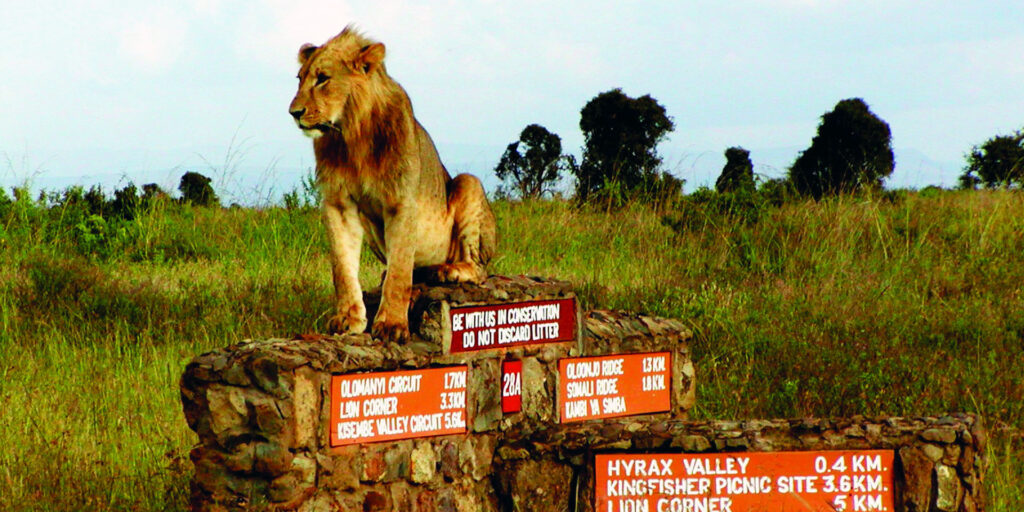
Choosing between a morning safari and an afternoon safari at Nairobi National Park has a real impact on what you see, how active wildlife is, traffic conditions, photography quality, and overall experience—especially given the park’s urban-edge ecosystem and limited opening hours (6:00 AM–6:00 PM). Below is an expert, side-by-side guide to help you decide which option best fits your goals.
Overview: what changes between morning and afternoon?
| Factor | Morning Safari | Afternoon Safari |
|---|---|---|
| Wildlife activity | Highest (cool temperatures) | Moderate → increases late afternoon |
| Predator sightings | Best chance | Possible, especially near dusk |
| Rhino visibility | Excellent | Good, improves after ~4:30 PM |
| Bird activity | Very high | Moderate |
| Traffic & crowds | Low | Higher (after-work visitors) |
| Light for photography | Soft, golden | Strong → golden near sunset |
| Temperature | Cool, comfortable | Hot mid-afternoon |
| Time pressure | Low (full daylight ahead) | Higher (must exit by 6 PM) |
Morning safari (6:00–10:00 AM): the classic choice
Why mornings are so effective
Early mornings coincide with:
- cooler temperatures,
- active feeding and movement,
- predator patrols before heat sets in.
In Nairobi National Park, this effect is amplified because wildlife often retreats into cover during the hotter urban afternoons.
What you’re most likely to see
- Lions returning from night hunts or resting in open plains
- Black and white rhinos grazing or browsing actively
- Buffalo, giraffe, zebra, wildebeest in large aggregations
- Peak bird activity, including raptors and grassland species
Morning is also when tracks and signs (fresh paw prints, dung middens, disturbed grass) are easiest to interpret for guides.
Photography advantages
- Soft, angled light
- Minimal haze
- Better contrast against the city skyline
This is the best time for:
- wildlife portraits,
- skyline-with-wildlife shots,
- action behavior (movement, interaction).
Crowd levels and driving conditions
- Fewer vehicles inside the park
- Smoother game-drive flow
- Easier to stop safely without congestion
Best for:
- First-time visitors
- Half-day safaris focused on wildlife density
- Rhino, lion, and bird enthusiasts
- Photographers
Afternoon safari (1:00–6:00 PM): slower, strategic, and scenic
How afternoons differ
From roughly 1:00–4:00 PM, wildlife activity slows due to heat. Many animals:
- rest in shade,
- reduce movement,
- become harder to spot.
However, activity rises again after ~4:30 PM as temperatures drop.
What you’re most likely to see
- White rhinos grazing in open grasslands later in the afternoon
- Black rhinos emerging cautiously from cover
- Giraffe, buffalo, plains game near water or shade
- Predators may become active closer to sunset, though sightings are less predictable than mornings
Photography advantages
- Late-afternoon golden light
- Dramatic skies and silhouettes
- Strong contrast between wildlife and city backdrop
Sunset lighting can produce some of Nairobi NP’s most iconic images—if timing is managed carefully.
Challenges to be aware of
- Midday heat (especially 1:00–3:30 PM)
- Higher vehicle traffic from Nairobi residents after work
- Hard stop at 6:00 PM gate closure, which limits flexibility
Best for:
- Visitors with morning commitments
- Photography-focused travelers who want sunset light
- Full-day safaris (afternoon as second session)
- Repeat visitors comfortable with slower pacing
Morning vs afternoon for rhino sightings (a key Nairobi NP draw)
Nairobi National Park is one of Africa’s strongest rhino-viewing parks due to high density and intensive protection.
- Morning:
- Best overall probability
- Rhinos actively feeding and moving
- Tracks and behavior easier to read
- Afternoon:
- Good, especially after 4:30 PM
- White rhinos often visible in open plains
- Black rhinos require patience and skilled guiding
Expert tip:
If rhinos are your priority and you have limited time, choose morning.
Morning vs afternoon for half-day vs full-day safaris
Half-day safari (4–5 hours)
- Morning half-day: Highest success rate across species
- Afternoon half-day: More variable; timing is critical
Recommendation:
For half-day tours, morning is strongly preferred.
Full-day safari (8–12 hours)
- Start early with a morning drive
- Rest or picnic mid-day
- Resume driving late afternoon as animals re-emerge
Recommendation:
A full-day safari offers the best of both worlds and maximizes sighting diversity.
Seasonal considerations
- Dry season: Morning advantage remains strong; dust increases in afternoon
- Wet season: Afternoon skies can be dramatic, but tracks and movement still favor mornings
- Heat waves: Morning becomes significantly more comfortable and productive
Quick decision guide
Choose a morning safari if you want:
- Maximum wildlife activity
- Better predator chances
- Cooler conditions
- Higher reliability on a short visit
Choose an afternoon safari if you want:
- Sunset photography
- A more relaxed pace
- To combine with other Nairobi activities earlier in the day
Choose a full-day safari if you want:
- The most comprehensive experience
- Flexibility to follow wildlife patterns
- The highest overall sighting probability
NairobiPark.org Offers Half-Day Nairobi NP Tours in the Morning and Afternoon:
NairobiPark.org offers flexible half-day Nairobi National Park safaris that can be taken either in the early morning or afternoon, allowing visitors to choose the timing that best fits their schedule and wildlife-viewing priorities. Each option delivers a focused 4–5 hour private game drive in a 4×4 Land Cruiser with an experienced driver-guide, optimized for high-probability wildlife zones rather than long, unfocused circuits. Morning safaris emphasize predator activity and cooler conditions, while afternoon safaris favor relaxed pacing, birdlife, and excellent photographic light.
🌅 Typical Departure Options (Early Morning & Afternoon)
| Safari Option | Departure Time | Return Time | Highlights |
|---|---|---|---|
| Morning Safari | 6:00 AM | 11:00 AM | Best for spotting predators such as lions and hyenas during early activity hours |
| Afternoon Safari | 1:00 PM | 6:00 PM | Excellent for photography and birdwatching in warm, golden light |
This short 4–5 hour experience offers flexible start and end times, making it ideal for layovers, business travelers, or visitors with limited time in Nairobi.
💰 Safari Pricing for Half-Day (Private Land Cruiser with Driver-Guide)
| Number of Guests | Price per Person (USD) | Total Cost (USD) |
|---|---|---|
| 1 person | $180 | $180 |
| 2 people | $100 | $200 |
| 3 people | $80 | $240 |
| 4 people | $70 | $280 |
| 5 people | $60 | $300 |
| 6 people | $50 | $300 |
| 7 people | $45 | $315 |
Prices are for a private vehicle (not shared). Park entry fees are paid separately to Kenya Wildlife Service (KWS).
Bottom line
While Nairobi National Park can deliver wildlife sightings at any time of day, morning safaris consistently outperform afternoon drives in terms of activity, comfort, and reliability—especially for first-time visitors and half-day tours. Afternoon safaris, however, reward patience with striking light, skyline drama, and late-day movement, making them a strong complement rather than a substitute.