
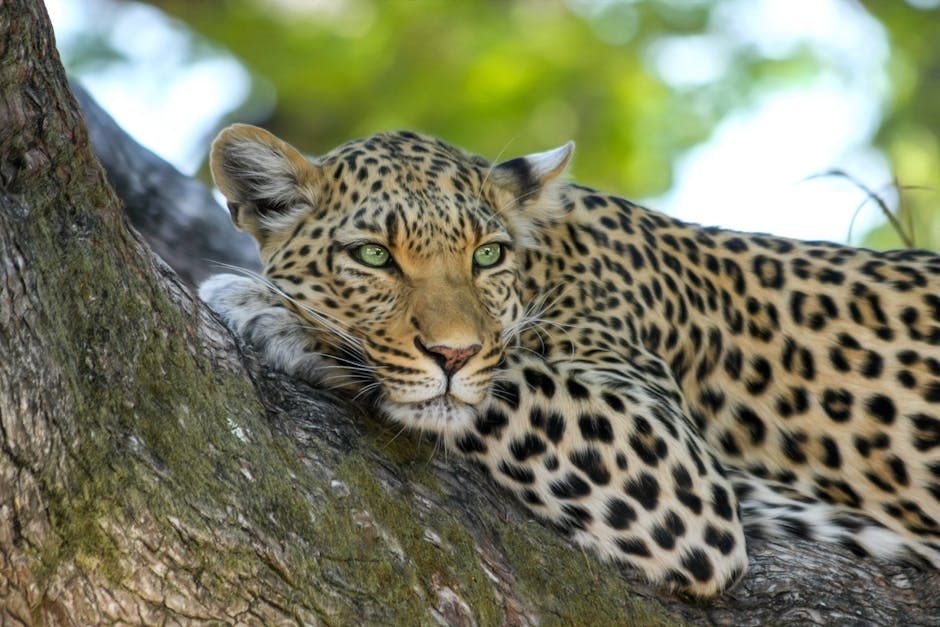
Nairobi National Park photography safari is the best safari option for visitors who want better wildlife photographs, better light, and a game drive paced around image-making rather than general sightseeing. Instead of moving quickly from sighting to sighting, a photography safari gives more attention to light direction, background, subject distance, skyline composition, and time at sightings so you have a better chance of returning with strong images of rhinos, lions, giraffes, buffalo, birds, and the park’s unusual city-edge landscape.
Nairobi National Park is one of the most distinctive wildlife photography destinations in Kenya because it combines real savannah wildlife, varied habitats, and the rare chance to photograph wild animals with Nairobi’s skyline in the background. That makes it valuable not only for wildlife viewing, but also for conservation storytelling, environmental photography, and visitors who want a safari close to Nairobi that still produces serious photographic opportunities.
If your main goal is to photograph the park well, this page will help you choose the right Nairobi National Park photography safari, understand the best timing, compare half-day and full-day options, and know what to expect before booking.
What is a Nairobi National Park photography safari?
A Nairobi National Park photography safari is a private game drive built around photography rather than general game viewing. The difference is not the park itself but the way the drive is handled. A photography safari focuses more deliberately on sun angle, subject positioning, clear backgrounds, skyline framing, patience at sightings, and the practical needs of photographers who want better images rather than a faster sightseeing circuit.
This makes it a better choice for:
- wildlife photographers
- bird photographers
- first-time safari photographers
- content creators
- visitors who want skyline-and-wildlife images
- travellers who want a private safari paced around photography priorities
If you want to look at other types of safaris and tours available for Nairobi NP, check out our guide on Nairobi National Park safaris and tour packages.
Why choose a photography safari instead of a standard game drive?
A standard game drive is designed to help you see the park. A photography safari is designed to help you photograph it well.
That distinction matters because strong safari photography depends on more than finding animals. It depends on when you see them, how the vehicle is positioned, whether the light is favourable, whether the background is clean, and whether you can stay long enough for the image to improve. A rhino in soft early light is not the same photographic opportunity as a rhino in harsh midday light. A giraffe against open sky or skyline is not the same as a giraffe lost in a cluttered frame.
A dedicated photography safari is usually the better option if you care about:
- sunrise or late-afternoon light
- better wildlife portraits
- skyline compositions
- waiting for animal behaviour
- bird photography opportunities
- private rather than shared pacing
- stronger environmental and storytelling images
Is Nairobi National Park good for photography?
Yes. Nairobi National Park is one of the best places in Kenya for visitors who want accessible wildlife photography close to a city. Its photographic strength comes from the combination of wildlife, open grassland, woodland, dams, wet edges, birdlife, and skyline contrast.
The park works especially well for:
- black rhino photography
- lion photography in good morning light
- giraffe photography in open plains
- wildlife-and-skyline frames
- bird photography near water
- wider environmental compositions showing wildlife in habitat
Its photographic value is not only that animals can be seen. It is that the park produces image variety. In one safari, you can move from classic wildlife portraits to environmental scenes that show the tension and beauty of a protected savannah beside a major capital city.
Which Nairobi National Park photography safari should you choose?
Half-day photography safari
A half-day Nairobi National Park photography safari is best for visitors who want one strong photography window rather than a full day in the park. It is ideal for sunrise wildlife photography or late-afternoon golden light, depending on the session you choose.
Morning half-day safari:
6:00 AM to 11:00 AM
Afternoon half-day safari:
1:00 PM to 6:00 PM
The half-day option is best for:
- short stays in Nairobi
- first-time safari photographers
- visitors with limited time
- travellers wanting one prime light window
- photographers who want a lower-cost private option
Full-day photography safari
A full-day Nairobi National Park photography safari is best for photographers who want more coverage, more patience, and more flexibility across changing light conditions. Instead of relying on one light window, a full-day safari allows you to work through morning light, mid-day transitions, and late-afternoon colour in a single day.
Full-day safari timing:
6:00 AM pick-up to 6:00 PM drop-off
The full-day option is best for:
- serious wildlife photographers
- bird photographers
- visitors wanting broader species coverage
- photographers seeking a fuller portfolio
- travellers who want more time to wait for behaviour and composition
For most visitors, the morning half-day photography safari is the best-value option. For more serious photographers, the full-day photo safari is usually the stronger choice.
Nairobi National Park photography safari prices
Half-day photography safari prices
| Number of Guests | Price per Person | Total Cost |
|---|---|---|
| 1 person | $180 | $180 |
| 2 people | $100 | $200 |
| 3 people | $80 | $240 |
| 4 people | $70 | $280 |
| 5 people | $60 | $300 |
| 6 people | $50 | $300 |
| 7 people | $45 | $315 |
Full-day photography safari prices
| Number of Guests | Price per Person | Total Cost |
|---|---|---|
| 1 person | $220 | $220 |
| 2 people | $130 | $260 |
| 3 people | $100 | $300 |
| 4 people | $90 | $360 |
| 5 people | $80 | $400 |
| 6 people | $70 | $420 |
| 7 people | $60 | $420 |
What is included in the photography safari?
Included
- Private 4×4 Land Cruiser with pop-up roof
- Professional driver-guide
- Fuel
- Insurance
- Drinking water
- Photo-focused wildlife viewing pace
Not included
- Nairobi National Park entry fees
- Meals
- Gratuities
- Optional add-ons such as Sheldrick, Giraffe Centre, or Karen Blixen Museum
What wildlife can you photograph in Nairobi National Park?
A Nairobi National Park photography safari is especially good for photographing black rhinos, lions, giraffes, buffalo, zebra, ostrich, and birdlife, although exact sightings depend on season, light, habitat conditions, and daily wildlife movement.
The park is particularly strong for:
- rhino portraits
- lion sightings in the early morning
- giraffes in open habitat
- zebra and buffalo in wider landscape frames
- birds around dams and wetter areas
- environmental images combining wildlife and skyline
The skyline element is important. Nairobi National Park is not only a place for classic safari images. It is also one of the few parks where wildlife photography can visually express the relationship between protected land and a modern city.
What is the best time for photography in Nairobi National Park?
The best time for photography in Nairobi National Park is usually early morning or late afternoon.
Early morning
Early morning is often the best overall photography window because:
- the light is softer
- wildlife is often more active
- temperatures are lower
- colour is cleaner
- contrast is easier to manage
Late afternoon
Late afternoon is especially good for:
- warm golden tones
- longer shadows
- skyline atmosphere
- silhouettes
- broader landscape mood
For most photographers, the single best option is a morning photography safari. If your priority is skyline atmosphere and warmer tones, an afternoon safari is also very rewarding.
Which season is best for Nairobi National Park photography?
Dry periods are often best for mammal photography because grass is shorter and visibility is clearer. Wetter periods can be excellent for greener backgrounds, dramatic skies, and bird photography.
In practical terms:
- choose drier periods for easier wildlife visibility
- choose greener or wetter periods for mood, habitat colour, and birdlife
There is no single perfect season for every photographer. The better season depends on whether you want easier wildlife viewing or more atmospheric environmental photography.
Is the photography safari good for beginners?
Yes. A Nairobi National Park photography safari is suitable for beginners as well as more experienced photographers. You do not need to be an advanced wildlife photographer to benefit from a private drive built around light, angle, and patient viewing.
It works well whether you are using:
- a DSLR
- a mirrorless camera
- a bridge camera
- a smartphone with decent zoom capability
- a mixed setup for photos and video
Beginners benefit because the private safari format makes the experience more controlled. Advanced photographers benefit because it allows more deliberate work with behaviour, light, and composition.
What camera gear should you bring?
Bring the gear you know how to use confidently. For most visitors, the most useful items are:
- your main camera or phone
- extra battery
- memory cards
- a telephoto lens if you have one
- a wider lens for skyline or landscape images
- a cloth or cover for dust protection
A 100–400 mm lens is one of the most useful general wildlife ranges for the park. Longer lenses help more with birds and distant animals, while wider lenses are useful for skyline shots and environmental compositions.
What camera settings work best?
There is no single perfect setting, but Nairobi National Park photography usually benefits from prioritising shutter speed, autofocus, and flexibility with ISO.
Useful starting points:
- 1/500 sec for still or grazing animals
- 1/800 sec for walking animals
- 1/1600 sec for running animals
- 1/2000 sec or faster for birds in flight
In practice:
- raise ISO in early morning to protect shutter speed
- keep ISO lower when midday light allows
- increase ISO again as afternoon light falls
Continuous autofocus and burst mode are usually the most useful choices for wildlife because animals often move without warning.
How should you photograph from a safari vehicle?
The most important principle is stability. A bean bag is often more practical than a tripod inside a safari vehicle because it is faster, simpler, and easier to use on a window edge or roof opening.
To photograph effectively from a vehicle:
- support your lens well
- keep shutter speed high enough
- be ready for sudden movement
- avoid unnecessary lens changes in dusty conditions
- think about the background as much as the subject
Many of the best wildlife images happen in a few seconds. A lion stands up, a bird launches, or a giraffe moves into skyline alignment. Good preparation matters more than complicated technique.
Can you photograph Nairobi skyline from the park?
Yes. One of the most distinctive features of Nairobi National Park photography is the ability to photograph wildlife with Nairobi’s skyline in the background.
This works best when:
- the subject is clearly separated from the skyline
- the light is low and directional
- the composition balances both animal and city
- you treat the skyline as part of the story rather than just a novelty
A skyline-backed wildlife image is one of the clearest ways to show what makes Nairobi National Park different from most safari destinations.
Is Nairobi National Park good for bird photography?
Yes. Nairobi National Park can be rewarding for bird photography, especially around dams, wet edges, greener seasonal conditions, and water-linked habitats.
Bird photography works best when you have:
- a longer lens
- faster shutter speed
- early light
- patience at water-linked areas
- realistic expectations about distance and motion
For photographers who want a mix of mammals and birds rather than mammals alone, the park offers more variety than many first-time visitors expect.
Are drones allowed in Nairobi National Park?
Drone use in Nairobi National Park is restricted and should not be assumed for a normal visit. If you are considering drone photography, you should confirm current permit and wildlife restrictions with the relevant authorities before making plans.
Practically, most visitors should treat drone photography as a regulated activity rather than a standard photography option.
Why choose our Nairobi National Park photography safari?
A good photography safari depends on how the drive is handled, not just on entering the park with a camera.
Our Nairobi National Park photography safari is designed for visitors who want:
- better timing around light
- more deliberate vehicle positioning
- a private rather than shared pace
- more time at strong sightings
- a safari built around photographic priorities rather than generic circulation
That makes it more useful whether your priority is rhinos at sunrise, birds near water, skyline compositions, or a broader portfolio of wildlife and environmental images.
How to book a Nairobi National Park photography safari
To book a half-day or full-day Nairobi National Park photography safari, email bookings@nairobipark.org with:
- your preferred date
- number of guests
- preferred session: morning, afternoon, or full day
- your pick-up location
- whether your main priority is wildlife, birds, skyline shots, sunrise, sunset, or general safari photography
A 50% deposit secures the booking. Payment can be made by Pesapal, M-Pesa, card, or bank transfer.
If you are still comparing safari options more broadly, link from this page to your main Nairobi National Park safaris and tour packages hub.
Final word
A Nairobi National Park photography safari is the best option for visitors who want more than a standard game drive. It combines wildlife viewing with photographic intent, giving you a better chance to use strong light, work with subject positioning, and capture the park’s distinctive mix of rhinos, open savannah, birdlife, and skyline-backed conservation imagery.
For most visitors, the morning half-day photography safari is the best-value choice. For photographers who want more time, broader coverage, and more flexibility, the full-day photography safari is the better option.
FAQ on NNP Photography Safari
Is Nairobi National Park good for photography?
Yes. Nairobi National Park is one of the most distinctive wildlife photography parks in Kenya because it combines accessible wildlife viewing, varied habitats, and skyline contrast beside a major city.
What is the best time for photography in Nairobi National Park?
Early morning is usually the best overall time for photography because light is softer and wildlife is often more active. Late afternoon is excellent for warm tones and skyline atmosphere.
Which is better for photography, half-day or full-day?
Half-day is better if you want one strong light window and a lower-cost private safari. Full-day is better if you want broader coverage, more flexibility, and more time at sightings.
What animals can I photograph in Nairobi National Park?
Common photography subjects include rhinos, lions, giraffes, buffalo, zebra, ostrich, and birdlife, although sightings vary by day and conditions.
Is the Nairobi National Park photography safari suitable for beginners?
Yes. It works well for beginners, hobby photographers, content creators, and more experienced wildlife photographers.
Can you photograph wildlife with Nairobi skyline in the background?
Yes. That is one of the park’s most distinctive photography features and one of the main reasons it stands out from many other safari destinations.
Are park entry fees included?
No. Nairobi National Park entry fees are separate and are not included in the safari price.
is it possible to take family photos with a hired photographer at the national park?