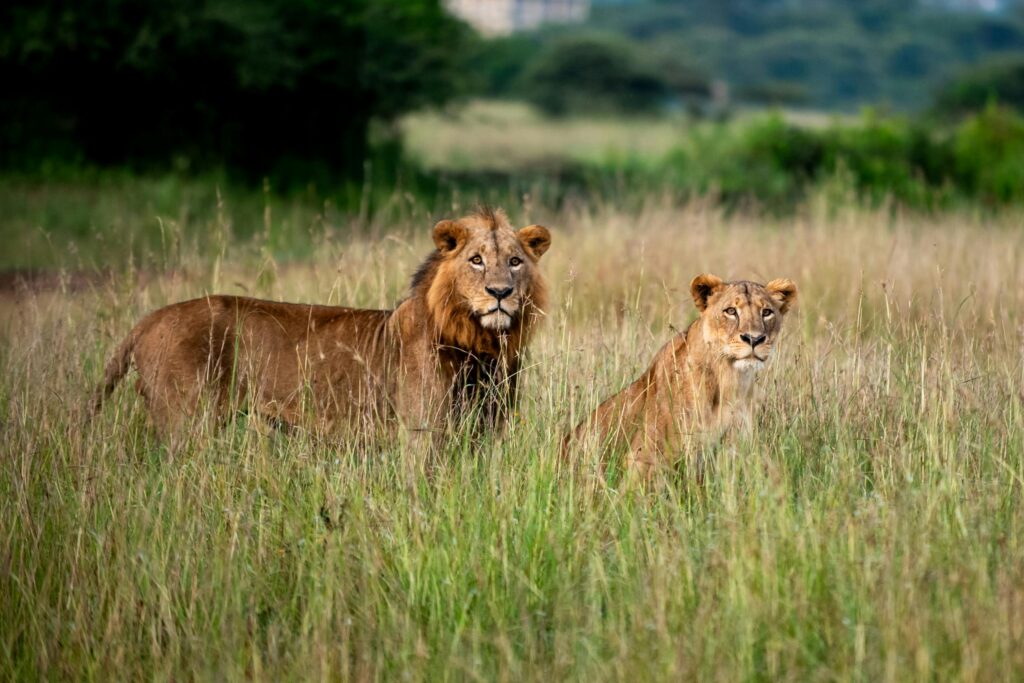
The best thing to do in Nairobi National Park is a game drive, because it gives visitors the clearest experience of what the park was created to protect: wild animals moving through open grassland, bushland, wetland edges and riverine habitats beside the Nairobi skyline.
Nairobi National Park is not just a place to “visit.” It is a working urban-edge wildlife ecosystem where visitors can go game viewing, look for rhinos, watch birds, walk designated nature trails, stop at picnic sites, photograph the skyline, visit conservation landmarks, and add nearby educational attractions such as Nairobi Safari Walk or the Nairobi Animal Orphanage. Kenya Wildlife Service lists scenic and game viewing, picnicking, bird watching and other visitor activities among the park’s official activity options.
This guide focuses only on activities and things to do at Nairobi National Park. It is not a general park overview, not a tour-price page, and not a full safari-package guide. The goal is to help you choose the right experiences for your time, interests, and travel style.
Use this guide to compare the main activities visitors can do inside Nairobi National Park, the nearby wildlife attractions that combine well with a park visit, and the best activity mix for a short visit, family outing, photography safari or full wildlife day.
For a broader look at weather, light, wildlife movement and seasonal visitor planning, see our guide to the best time to visit Nairobi National Park or start with our guide on How to Visit Nairobi National Park. If you’re just starting your research into this Park, start with the full guide of Nairobi National Park.
Quick Answer: What Are the Best Things to Do in Nairobi National Park?
The best activities at Nairobi National Park are:
- Game drives for the main wildlife-viewing experience.
- Rhino viewing for a conservation-focused safari activity.
- Birdwatching across grasslands, wetlands, riverine edges and scrub.
- Hippo Trail Nature Walk for a controlled on-foot nature experience.
- Picnicking at designated picnic sites inside the park.
- Ivory Burning Site and scenic viewpoints for conservation history, skyline photography and interpretation.
- Nairobi Safari Walk as an educational add-on near the park entrance.
- Nairobi Animal Orphanage as a close-up wildlife-care and conservation add-on.
- Sheldrick Elephant Orphanage for a nearby elephant conservation add-on.
- Night game drives where officially arranged with a guide and assigned KWS rangers
For most first-time visitors, the best plan is a game drive with a rhino focus, a few birding or skyline stops, and one short picnic or conservation stop if time allows.
Nairobi National Park Activities at a Glance
| Activity | Activity Category | Time Required | Best Time to Go | Entry Fee Required | Location | Best For |
|---|---|---|---|---|---|---|
| Game drive | Wildlife viewing | 4–8 hours | 6:00–11:00 AM or 3:00–6:00 PM | Yes | Inside the park | First-time visitors, photographers, families |
| Rhino viewing | Wildlife / conservation | Part of a game drive | Morning or late afternoon | Yes | Rhino-use areas inside the park | Conservation-minded visitors, photographers |
| Birdwatching | Birding / photography | 2–4 hours or integrated into a drive | Early morning | Yes | Grasslands, wetlands, riverine edges, scrub | Birders, repeat visitors, natural-history travelers |
| Hippo Trail Nature Walk | Guided nature walk | 1–2 hours | Morning or midday | Yes / activity rules apply | Hippo Pools area | Nature lovers, birders, repeat visitors |
| Picnicking | Scenic rest stop | 30–90 minutes | Midday or late morning | Yes | Designated picnic sites | Families, full-day visitors, relaxed travelers |
| Ivory Burning Site | Conservation / history stop | 15–30 minutes | Any safari window | Yes | Inside the park | Students, photographers, conservation visitors |
| Nairobi Safari Walk | Educational boardwalk | 1–2 hours | Morning or midday | Separate ticket | Near the main KWS visitor area | Families, children, first-time visitors |
| Nairobi Animal Orphanage | Wildlife-care add-on | About 1 hour | Before or after a game drive | Separate ticket | Near the main KWS visitor area | Children, school groups, conservation visitors |
| Sheldrick Elephant Orphanage | Conservation add-on | About 1 hour plus transfer time | Official public viewing window | Separate booking/payment | Outside the core park drive | Families, elephant conservation supporters |
| Night game drive | Specialist wildlife activity | Usually 2–3 hours | After dark | Organised activity rules apply | Guided format only | Repeat visitors, photographers, wildlife enthusiasts |
Game Drive: The Main Wildlife Activity Inside Nairobi National Park
A game drive is the main activity in Nairobi National Park. It is the experience that gives visitors the widest contact with the park’s wildlife, habitats and landscape character in one outing.
The activity works especially well here because Nairobi National Park is compact but ecologically varied. Within a few hours, a well-planned drive can move through open plains, bushland, wetland edges, rhino areas, predator territories, riverine habitat and skyline viewpoints. This makes the park one of the easiest places in Kenya to experience a real wildlife drive without leaving the capital.
Activity details
| Detail | Recommendation |
|---|---|
| Type of Experience | Wildlife viewing / safari drive |
| Time Needed | 4–5 hours for a focused drive; 7–8 hours if adding walks, picnics or nearby attractions |
| Best time | 6:00–11:00 AM for active wildlife; 3:00–6:00 PM for softer light |
| Ticket Needed? | Yes |
| Best Way to Do It | Private guided drive for first-time visitors and photographers; self-drive only for confident visitors familiar with park rules |
| Tour coverage | Inside Nairobi National Park |
| Key areas to include | Open plains, rhino-use areas, wetland edges, riverine sections, skyline viewpoints |
| Best for | First-time safari visitors, photographers, families, short-stay travelers |
A morning game drive is usually the strongest choice for visitors who care most about wildlife activity. Early hours often give better light, cooler temperatures and more movement before the day becomes hot. Afternoon drives can also be rewarding, especially for photography, relaxed viewing and visitors who prefer a later start.
The most important point is not to overload the game drive. A good Nairobi National Park game drive should be planned around wildlife movement, habitat variety and a few carefully chosen stops rather than trying to visit every possible place in the park.
For more detail on how the drive itself works, see our guide to a game drive at Nairobi National Park, including the main habitats, wildlife-viewing areas, dams and skyline routes. Visitors choosing between a short or longer visit can compare the Half-Day Nairobi National Park Tour and 1-Day Nairobi National Park Tour later in this guide.
Rhino Viewing: The Best Conservation-Focused Wildlife Activity
Rhino viewing is one of the most important activities in Nairobi National Park because the park plays a major role as a rhino sanctuary. For many visitors, this is one of the most realistic places near Nairobi to combine a classic game drive with a meaningful rhino conservation experience.
This activity should not be treated as simply “looking for rhinos.” It is a conservation-led safari focus. The guide’s role is to explain why Nairobi National Park matters for rhino protection, why rhino sightings require patience and spacing, and how black rhinos and white rhinos use the landscape differently.
Activity details
| Detail | Recommendation |
|---|---|
| Type of Experience | Flagship wildlife / conservation safari |
| Time Needed | Usually part of a 4–5 hour game drive |
| Best time | Morning or late afternoon |
| Ticket Needed? | Yes |
| Best Way to Do It | Private guided safari |
| Tour coverage | Inside the park |
| Key areas to include | Known rhino-use areas, open grassland edges, bushland routes, quiet viewing zones |
| Best for | Conservation-minded visitors, photographers, first-time safari guests, families |
A rhino-focused route works best when it is built into the game drive from the beginning. The guide should prioritise likely rhino-use areas, then widen the route to include plains game, birds, predators and viewpoints. That gives the safari a clear purpose without turning it into a one-species chase.
This is also one of the best activities for explaining Nairobi National Park as Kifaru Ark — a protected rhino stronghold beside the city. A good rhino-focused drive also helps you understand rhino monitoring, anti-poaching work, habitat security and why responsible viewing distance matters.
For a deeper look at black and white rhinos in the park, see our guide to rhinos at Nairobi National Park.
Birdwatching: The Most Reliable Wildlife Activity in Nairobi National Park
Birdwatching is one of the most rewarding things to do in Nairobi National Park because birds remain active even when large mammals are less visible. The park’s grasslands, wetlands, dams, riverine edges, scrub and woodland margins create strong habitat variety within a relatively short driving distance.
For birders, this is not a small add-on to the game drive. It can be the main reason to visit. For general safari visitors, it adds constant movement, colour, sound and interpretation between larger mammal sightings.
Activity details
| Detail | Recommendation |
|---|---|
| Type of Experience | Birding / wildlife photography / natural history |
| Time Needed | 2–4 hours dedicated, or integrated into a game drive |
| Best time | Early morning |
| Ticket Needed? | Yes |
| Best Way to Do It | Private guided birding drive or wildlife drive with birding stops |
| Tour coverage | Inside the park |
| Key areas to include | Wetlands, dams, grasslands, riverine edges, scrub, woodland margins |
| Best for | Birders, photographers, repeat visitors, natural-history travelers |
Birdwatching works particularly well because the park’s habitats change quickly. A short route can move from open grassland species to wetland birds, raptors, riverine birds and scrubland birds. This variety makes even a short birding session feel productive.
Resident birds can be seen throughout the year, while migrant species add seasonal variety, especially from around October to April. Visitors may look for grassland birds, raptors, wetland species, waders, bee-eaters, swallows and other seasonal aerial insectivores depending on the time of year.
Birding also improves the quality of a normal game drive. Instead of waiting only for lions, rhinos or giraffes, the visitor begins to read the whole ecosystem.
Birders who want to plan the activity in more detail can use our Nairobi National Park birdwatching guide, which covers key habitats, birding routes, species groups and productive birding stops inside the park.
Hippo Trail Nature Walk: The Best Guided Walking Activity
The Hippo Trail Nature Walk is one of the best activities for visitors who want to experience Nairobi National Park at a slower pace. It shifts attention from vehicle-based wildlife viewing to tracks, birds, vegetation, insects, riverine ecology and smaller details that are easy to miss from a safari vehicle.
This is not a free walking area across the park. Walking in Nairobi National Park should only happen in designated and controlled formats. The Hippo Trail is valuable because it gives visitors a structured way to experience part of the park on foot without confusing it with open walking in wildlife areas.
Activity details
| Detail | Recommendation |
|---|---|
| Type of Experience | Guided nature walk / ecological interpretation |
| Time Needed | About 1–2 hours |
| Best time | Morning or midday |
| Ticket Needed? | Yes / activity rules apply |
| Best Way to Do It | Guided only |
| Tour coverage | Designated walking area inside the park |
| Key areas to include | Hippo Pools area, riverine sections, trail viewpoints |
| Best for | Nature lovers, birders, repeat visitors, older children, ecology-focused travelers |
The value of the walk is interpretation. Visitors can learn about riverine vegetation, animal tracks, water-dependent species, birdlife, insects, reptiles and the relationship between the park and the Mbagathi River corridor.
For a first-time visitor with limited time, the game drive should remain the priority. For visitors with a longer day, the Hippo Trail can add a deeper ecological layer to the experience.
Visitors who want a safe on-foot experience should read our Hippo Pool Nature Trail guide, which explains what the walk covers, where it fits into a park visit, and how it differs from general walking around Nairobi National Park.
Picnicking: Designated Picnic Sites for Safari Breaks
Picnicking is one of the most useful supporting activities inside Nairobi National Park. It gives visitors a place to pause, eat, rest and absorb the landscape without leaving the park. Picnicking is part of the official visitor experience, but it should only be done at designated picnic sites.
Picnicking works best on a full-day visit, but it can also be used as a short snack stop during a slower half-day safari.
Activity details
| Detail | Recommendation |
|---|---|
| Type of Experience | Scenic rest stop / meal break |
| Time Needed | 30–90 minutes |
| Best time | Mid-morning, lunch or late afternoon |
| Ticket Needed? | Yes |
| Best Way to Do It | Private guided safari or self-drive |
| Tour coverage | Inside the park |
| Key sites to include | Impala Observation Point, Kingfisher Picnic Site, Mokoyiet Picnic Site, Ivory Burning Site, Hippo Pools area where appropriate |
| Best for | Families, full-day visitors, photographers, relaxed safari guests |
T
The best picnic stop is usually the one that fits naturally into your route, rather than forcing the guide to leave a productive wildlife area too early.
A picnic should not interrupt wildlife viewing at the wrong time. It should come when the morning activity has slowed, the light has become harsh, or the visitor needs a rest before continuing.
Use designated picnic sites only. Visitors should carry out all rubbish, avoid feeding wildlife, keep food controlled and follow park rules at all times.
For a fuller look at where to stop, see our guide to Nairobi National Park picnic facilities, including the main designated picnic sites inside the park.
Ivory Burning Site and Scenic Viewpoints: Conservation and Photography Stops
The Ivory Burning Site is one of the most meaningful stops inside Nairobi National Park. It connects the visitor experience to Kenya’s anti-poaching history and the global symbolism of ivory destruction as a statement against the ivory trade. KWS describes the site as the place where 12 tonnes of ivory were burned in 1989 as a conservation statement.
Most visitors only need a short stop here, but it is one of the park’s most important places for understanding Kenya’s anti-poaching history.
It helps visitors understand that Nairobi National Park is not only a place for wildlife viewing. It is also a place where Kenya’s conservation story can be interpreted directly in the landscape.
Activity details
| Detail | Recommendation |
|---|---|
| Type of Experience | Conservation history / scenic photography stop |
| Time Needed | 15–30 minutes |
| Best time | Morning for clear views; late afternoon for softer light |
| Ticket Needed? | Yes |
| Best Way to Do It | Private guided safari |
| Tour coverage | Inside the park |
| Key sites to include | Ivory Burning Site, skyline viewpoints, Impala Observation Point where suitable |
| Best for | First-time visitors, students, photographers, conservation-minded travelers |
Scenic viewpoints also matter because they show what makes Nairobi National Park visually distinct: wildlife habitat set against the edge of a capital city. These stops also help visitors see the park’s unusual setting: open wildlife habitat pressed directly against the edge of Nairobi.
For more background, see our guide to the Ivory Burning Monument Site, or use our Nairobi National Park landmarks and viewpoints guide to plan other short stops during your drive.
Nairobi Safari Walk: Best Educational Add-on Near the Park Entrance
Nairobi Safari Walk is a strong educational add-on near the Nairobi National Park visitor circuit. It is separate from the main game drive and gives visitors a more controlled, educational way to see and learn about wildlife. A game drive takes you through the park by vehicle, while the Safari Walk uses a raised boardwalk and exhibits to introduce wildlife and habitats at a slower pace.
KWS describes Nairobi Safari Walk as a place where visitors can enjoy walking, picnicking, game and bird viewing, with educational displays and close but safe views of wildlife.
Activity details
| Detail | Recommendation |
|---|---|
| Type of Experience | Educational boardwalk / wildlife interpretation |
| Time Needed | 1–2 hours |
| Best time | Morning, midday or after a short safari |
| Ticket Needed? | Separate ticket |
| Best Way to Do It | Self-guided or guided educational visit |
| Tour coverage | Nearby visitor-circuit add-on |
| Key areas to include | Boardwalk, habitat displays, wildlife exhibits, children’s learning areas where available |
| Best for | Families, children, first-time visitors, school groups |
The Safari Walk is especially useful for visitors who want wildlife interpretation in a controlled setting. It can also help children understand habitats and animals before or after a vehicle safari.
For planning details, see our Nairobi Safari Walk guide, or compare Nairobi Safari Walk vs Nairobi National Park if you are deciding between the boardwalk experience and a real park game drive. If you’re planning a visit here, check the Nairobi Safari Walk fees to pay based on your visitor category.
Nairobi Animal Orphanage: Close-Up Conservation Add-on
Nairobi Animal Orphanage is another nearby conservation and education add-on. It gives visitors a closer look at wildlife care, rescue, rehabilitation and human-wildlife conflict issues. KWS describes the orphanage as a place for guided tours and game viewing, and also as a wildlife research centre especially useful for students and learning institutions.
This activity works best when visitors understand its purpose. It is not a replacement for a game drive. It is a conservation education stop that adds a different kind of learning to the day.
Activity details
| Detail | Recommendation |
|---|---|
| Type of Experience | Wildlife-care / conservation education add-on |
| Time Needed | About 1 hour |
| Best time | Before or after a game drive |
| Ticket Needed? | Separate ticket |
| Best Way to Do It | Family visit, student visit or conservation add-on |
| Tour coverage | Nearby visitor-circuit add-on |
| Key focus | Rescue, rehabilitation, wildlife care, education, human-wildlife conflict context |
| Best for | Children, school groups, conservation-minded visitors, first-time travelers |
For visitor details, see our Nairobi Animal Orphanage guide, which covers what to expect, typical wildlife, entry fees, opening hours and who the stop suits best.
Families and school groups can also see how these nearby attractions fit together in our guide to the Nairobi National Park, Safari Walk and Animal Orphanage combined tour.
Families and school groups may also find the combined Nairobi NP, Safari Walk and Animal Orphanage guide useful when planning a child-friendly visit.
Sheldrick Elephant Orphanage: Best Conservation Add-on to a Nairobi Safari Day
Sheldrick Elephant Orphanage is one of the most popular conservation add-ons for visitors planning a Nairobi wildlife day. It should not be described as an activity inside Nairobi National Park. It is a nearby add-on that can combine well with a morning game drive when timing allows.
Its value is emotional and educational. Visitors see elephant rescue and care in a setting that is very different from a vehicle safari. For families and conservation supporters, it can make the day more memorable.
Activity details
| Detail | Recommendation |
|---|---|
| Type of Experience | Conservation add-on |
| Time Needed | About 1 hour plus transfer time |
| Best time | Official public viewing window |
| Ticket Needed? | Separate booking/payment |
| Best Way to Do It | Add-on after a morning game drive |
| Tour coverage | Outside the core park drive |
| Key focus | Elephant rescue, care, conservation education |
| Best for | Families, elephant conservation supporters, visitors with a full morning or full day |
Sheldrick works best after a morning game drive, especially for families and visitors interested in elephant rescue and rehabilitation. For planning details, see our David Sheldrick Elephant Orphanage guide, or use the Nairobi National Park and Sheldrick Elephant Orphanage Tour page if you want both experiences arranged in one morning.
Giraffe Centre: Best Close-Up Wildlife Add-on for Families and First-Time Visitors
The Giraffe Centre is one of the easiest nearby wildlife activities to combine with a Nairobi National Park safari, especially for families, first-time visitors, children, and travelers who want a close-up animal encounter after a game drive. It is not an activity inside Nairobi National Park, so it should be framed as a nearby visitor-circuit add-on, not as part of the core park drive.
Its main value is accessibility. A game drive shows wildlife in a natural protected landscape, while the Giraffe Centre gives visitors a slower and more personal encounter with giraffes in an educational setting. This makes it a useful add-on when visitors want something interactive, easy to understand, and suitable for a wider age range.
| Detail | Recommendation |
|---|---|
| Type of Experience | Close-up wildlife encounter / conservation education add-on |
| Time Needed | About 1 hour, plus transfer time |
| Best time | After a morning game drive or as part of a wider Karen-area wildlife circuit |
| Ticket Needed? | Separate ticket |
| Best Way to Do It | Add-on after Nairobi National Park, Sheldrick, Safari Walk or Animal Orphanage |
| Tour coverage | Outside Nairobi National Park |
| Best for | Families, children, first-time visitors, short-stay travelers, wildlife photography |
| What it adds | Close giraffe viewing, conservation education, family-friendly pacing, easy visitor experience |
The Giraffe Centre works especially well after a morning Nairobi National Park game drive because it adds a different kind of wildlife experience. Instead of continuing with more vehicle-based viewing, visitors can slow down, learn about giraffe conservation, take close-up photos, and give children a more interactive wildlife stop.
Visitors who want to add this activity to a Nairobi wildlife day can read the full Giraffe Centre guide before deciding whether to combine it with Nairobi National Park, Sheldrick Elephant Orphanage, Safari Walk or the Animal Orphanage. For practical planning, see our Giraffe Centre guide, which covers tickets, timing, conservation background and how to combine the stop with a Nairobi National Park safari.
If you’d like to combine the three attractions namely Nairobi National Park, Sheldrick and Giraffe Center, check this combo page for Nairobi National Park, Giraffe Center and Sheldrick Orphanage Tour.
Night Game Drive: Specialist After-Dark Wildlife Activity
A night game drive is a specialist activity for visitors who want to experience Nairobi National Park after dark, where available through properly organised guided arrangements. It should never be framed as something visitors can casually improvise.
The value of a night drive is that it reveals a different rhythm of the ecosystem. Instead of scanning broad open plains in daylight, visitors look for movement, eye shine, sound and behaviour. The experience may involve nocturnal mammals, hyenas, owls, nightjars, small carnivores and predators moving differently from the way they do during the day.
Activity details
| Detail | Recommendation |
|---|---|
| Type of Experience | Specialist night wildlife activity |
| Time Needed | Usually 2–3 hours depending on arrangement |
| Best time | After dark from 7 PM to 9 PM |
| Ticket Needed? | Organised activity rules apply |
| Best Way to Do It | Guided only |
| Tour coverage | Park-based only where officially arranged |
| Key focus | Nocturnal behaviour, predator movement, night birds, small mammals |
| Best for | Repeat visitors, photographers, wildlife enthusiasts |
A daytime game drive remains the essential Nairobi National Park activity. A night drive is better treated as an add-on for visitors who already understand the basic safari experience and want a different wildlife rhythm. For details on timing, booking requirements and possible nocturnal sightings, see our guide to a Nairobi National Park night game drive safari.
Self-Drive Safari: Best Independent Activity for Confident Visitors With Their Own Vehicle
A self-drive safari is another activity visitors can do in Nairobi National Park, but it should be framed carefully. It is not the same experience as a guided game drive. A self-drive gives visitors more independence, flexibility, and control over pacing, but it also requires stronger preparation, route awareness, wildlife-viewing discipline, and a clear understanding of park rules. Self-drive works best for Nairobi residents, repeat visitors and confident drivers who already understand how to move slowly, stay on tracks and read park signage.
First-time visitors, short-stay travelers, families with limited time, and visitors mainly hoping for rhinos, lions, or stronger interpretation will usually get more value from a guided safari.
| Detail | Recommendation |
|---|---|
| Type of Experience | Independent wildlife drive / self-guided safari |
| Time Needed | 4–5 hours for a focused visit; longer if adding picnic sites, viewpoints or birding stops |
| Best time | 6:00–11:00 AM for wildlife activity; 3:00–6:00 PM for softer light |
| Ticket Needed? | Yes, including visitor entry fees and applicable vehicle entry/payment requirements |
| Best Way to Do It: | Self-drive only for confident visitors; guided safari recommended for first-timers |
| Tour coverage | Inside Nairobi National Park |
| Key areas to include | Main game-drive roads, open plains, dams, rhino-use areas, picnic sites, skyline viewpoints |
| Best for | Nairobi residents, repeat visitors, independent travelers, photographers, confident drivers |
| What it adds | Flexibility, privacy, slower pacing, independent route choice |
The main advantage of self-driving is control. You can spend longer at a dam, pause for birds, return to a viewpoint, or keep your safari slower than a shared or fixed itinerary. The main disadvantage is that you may miss wildlife movement, productive routes, quiet rhino areas, or predator signs that experienced Nairobi National Park guides often understand from daily driving.
Self-drive visitors should stay on established roads, avoid off-road driving, keep safe viewing distance from wildlife, respect other vehicles at sightings, use designated picnic and walking areas only, and leave the park before gate closing time unless they are following an officially permitted arrangement. Visitors planning to explore independently should read our Nairobi National Park self-drive guide before deciding whether to drive themselves or use a private guide.
Best Nairobi National Park Activities by Visitor Type
Different visitors should not choose the same activity mix. The best things to do in Nairobi National Park depend on age, time, interests and the kind of wildlife experience the visitor wants.
| Visitor Type | Best Activities |
|---|---|
| First-time visitors | Game drive, rhino viewing, Ivory Burning Site, skyline viewpoints |
| Families with children | Game drive, picnic stop, Nairobi Safari Walk, Nairobi Animal Orphanage |
| Photographers | Morning game drive, rhino viewing, birdwatching, skyline viewpoints |
| Birders | Birdwatching, Hippo Trail Nature Walk, wetland and grassland stops |
| Conservation-minded visitors | Rhino viewing, Ivory Burning Site, Animal Orphanage, Sheldrick add-on |
| Short-stay visitors | Game drive, rhino focus, one scenic or conservation stop |
| Full-day visitors | Game drive, picnic, Hippo Trail or Safari Walk, late-afternoon photography stop |
| Repeat visitors | Birding, Hippo Trail, night drive where available, specialist photography stops |
Vehicle choice also affects the experience: private drives give families, photographers and birders more control over timing, stops and pacing than shared tours. Read how private tours win over group/shared tours in our Private vs Shared Nairobi National Park tours guide.
Best Activity Combinations for Half-Day and Full-Day Visits
A half-day visit works best when you keep the activity list focused, while a full-day visit gives you more room to combine wildlife viewing, picnic stops, walking activities and nearby conservation add-ons.
Best activities for a half-day visit
A half-day visit works best when it stays focused. The strongest combination is:
- game drive
- rhino viewing
- birding stops where the route allows
- one short scenic or conservation stop
Trying to add too many separate attractions into a half-day visit usually reduces wildlife-viewing time. A shorter visit works best when it stays inside the park and focuses on the main game-drive route, rhino areas and one carefully chosen stop. Visitors who want this arranged with a guide can see the Half-Day Nairobi National Park Tour.
Best activities for a full-day visit
A full-day visit allows more layering. A strong full-day activity structure is:
- early morning game drive
- rhino and plains-game viewing
- birding stops at wetlands, grasslands and riverine edges
- picnic or lunch break at a designated site
- Hippo Trail, Nairobi Safari Walk or Animal Orphanage depending on visitor interest
- late-afternoon drive or skyline photography stop
This structure gives the visitor wildlife, birds, conservation context, rest time and visual variety without turning the day into a rushed checklist.
For visitors who want more time for birding, picnic stops, viewpoints and nearby add-ons, the 1-Day Nairobi National Park Tour shows how a longer visit can be structured.
Before Choosing an Activity….
Before you choose your activity mix, check three practical details: the park entry fee, the gate you should use, and the route you want to follow once inside. Entry fees affect every activity inside the park, gates matter for timing and pickup logistics, and the map helps you understand how game-drive routes, dams, viewpoints and picnic sites connect. For planning, use the guides on Nairobi National Park entry fees, Nairobi National Park gates and Nairobi National Park maps.
Which Nairobi National Park Activity Should You Prioritize?
Prioritize the game drive if this is your first visit to Nairobi National Park. It is the activity that gives you the broadest view of the park’s wildlife, habitats and urban-edge setting.
Choose rhino viewing if your main interest is conservation and flagship species. Choose birdwatching if you want consistent wildlife activity and natural-history depth. Choose the Hippo Trail Nature Walk if you want a slower, more interpretive experience on foot. Choose picnicking and scenic viewpoints if you want a relaxed safari pace with photography and landscape context.
Add Nairobi Safari Walk, Nairobi Animal Orphanage or Sheldrick Elephant Orphanage only when your schedule allows. These are valuable visitor-circuit additions, but they should not be confused with the main wildlife activity inside Nairobi National Park. Visitors with extra time can add nearby attractions such as Sheldrick, Giraffe Centre, Nairobi Safari Walk or the Animal Orphanage, but the main park drive should remain the anchor of the day. Our nearby attractions and combo tours guides can help you compare those add-ons without overcrowding your park visit.
The best Nairobi National Park visit is not built by doing everything. It is built by choosing the right activity mix for your time, interests and travel style. For most visitors, that means starting with a well-planned game drive, adding a rhino or birding focus, and including one carefully chosen conservation, walking, picnic or scenic stop to complete the experience.