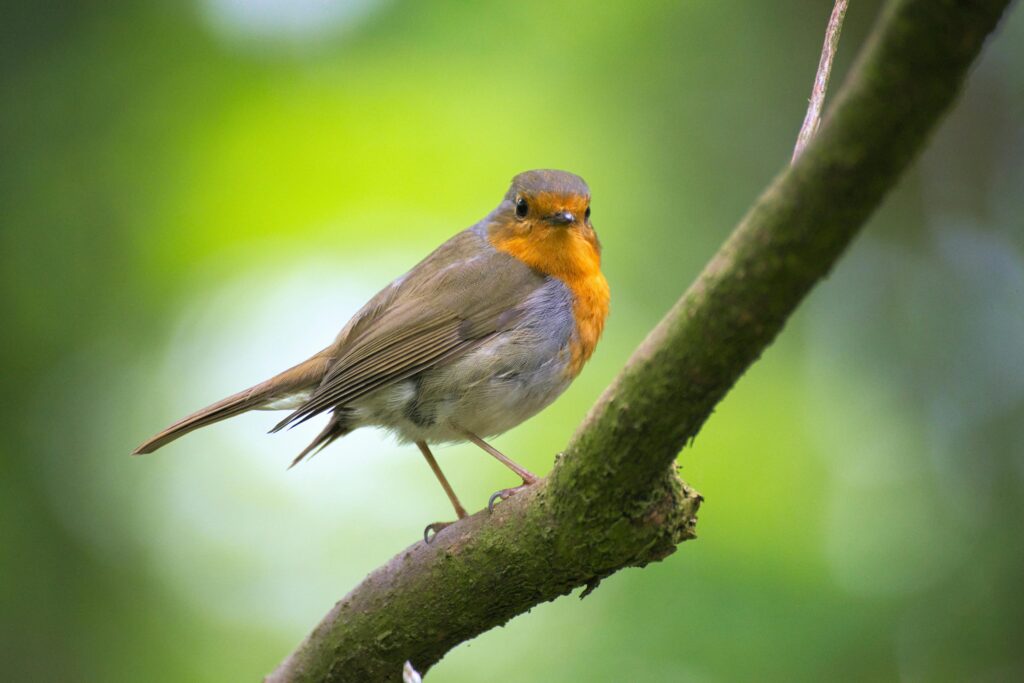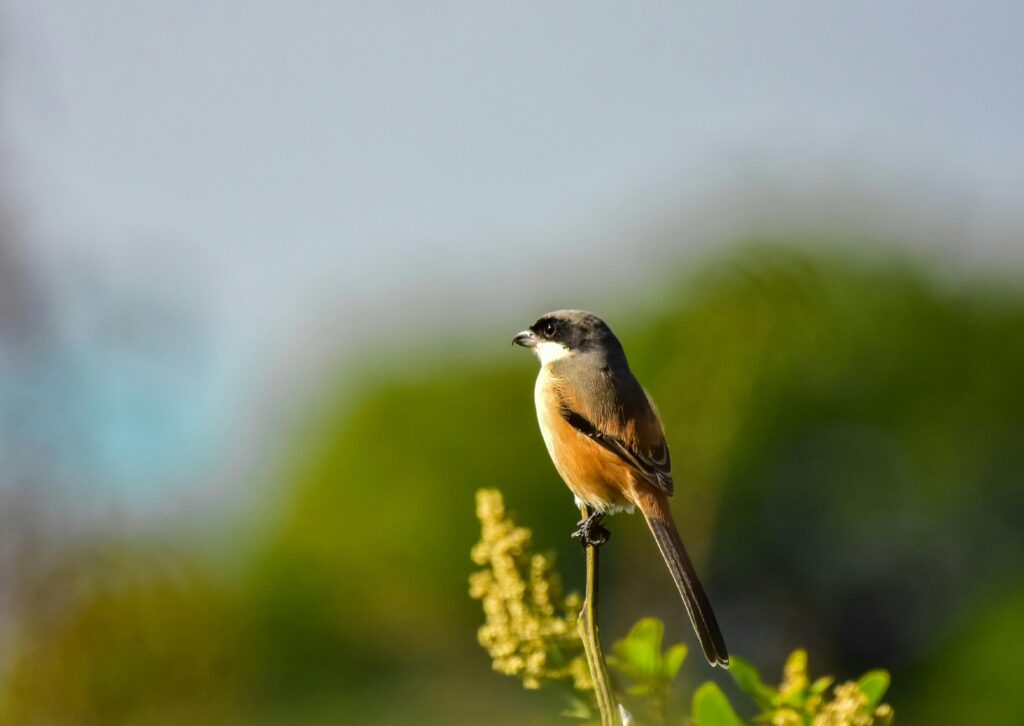
Nairobi National Park is a prime destination for birdwatchers, offering diverse habitats that attract a wide range of bird species. Below are some of the best bird spotting locations within the park, along with the types of birds you can expect to see in each area:
1. Hippo Pools and the Athi River Trail
Habitat:
A riverine birding zone along the Athi/Mbagathi river system, with shaded woodland, tall riverside trees, water-edge habitat, and a guarded walking trail. This is one of the few places in the park where birders can briefly leave the vehicle and work a river corridor more carefully.
Birds to Spot:
- Riverine and wet-edge birds: kingfishers, herons, darters, cormorants, and other water-associated species are among the main draws here.
- Raptors and large tree users: birding guides specifically mention nesting White-backed Vultures and Brown Snake Eagle in the Hippo Pools area.
- Secretive riverside species: specialist guides highlight Dwarf Bittern and even White-backed Night Heron as notable possibilities in this zone, though the latter is scarce and difficult.
- Woodland edge birds: Grey-headed Kingfisher, Southern Black Flycatcher, Violet Woodhoopoe, Von der Decken’s Hornbill, Snowy Barbet, and nesting lovebirds are all specifically associated with the area by local birding operators.
Notable Sightings:
- Best walking birding site in the park: expert and tourism sources repeatedly single out Hippo Pools as one of the park’s most rewarding on-foot nature stops for birds.
- Good place for scarce riverine birds: the repeated mention of species such as African Finfoot in nearby river sections and White-backed Night Heron around the Hippo Pools zone shows why serious birders spend extra time here.
- Particularly strong in the early morning: birding-oriented reviews note that the calmer morning period and shaded river habitat make this one of the most productive spots for both bird photography and careful scanning.
2. Kingfisher Picnic Site
Habitat:
A shaded acacia woodland picnic site in the southwestern part of the park, with mature trees, edge scrub, and nearby open plains. This is a classic feeding-party and woodland-edge stop rather than a purely wetland site.
Birds to Spot:
- Acacia woodland birds: local birding sources specifically associate the site with Red-throated Tit, Speckle-fronted Weaver, Nubian Woodpecker, Brown Parisoma, Buff-bellied Warbler, Spectacled Weaver, African Grey Flycatcher, Mountain Grey Woodpecker, and Yellow-bellied Eremomela.
- Kingfishers and small insectivores: the site is said to be named after a resident pair of Striped Kingfishers, and local operators also mention Pygmy Kingfisher here.
- Small seedeaters and bush birds: Black-faced Waxbill, African Firefinch, White-bellied Canary, and Yellow-spotted Bush Sparrow are among the species repeatedly listed for this stop.
- Occasional raptors: Gabar Goshawk is specifically mentioned from the site by local birding guides.
Notable Sightings:
- One of the park’s best early-morning woodland stops: expert birding tour pages describe it as ideal for early morning birdwatching because feeding flocks work through the acacias before general vehicle traffic builds up.
- Classic acacia-belt specialty area: if your targets are not waterbirds but thornbush and acacia-associated birds, Kingfisher is one of the most useful dedicated stops in the park.
3. Hyena Dam and the Nagolomon Dam Circuit
Habitat:
A productive wetland-and-grassland circuit combining dam edges, shallow margins, surrounding plains, and moist grassland. This is one of the most reliable birding sectors for lapwings, ibises, storks, cisticolas, longclaws, and mixed wetland birds.
- Habitat: Wetlands and surrounding bush.
Birds to Spot:
- Wetland birds at Hyena Dam: A-Rocha brief on birding here and other local trip reports I reviewed recorded Spur-winged Lapwing, Long-toed Lapwing, Blacksmith Lapwing, African Spoonbill, Black Crake, Sacred Ibis, Yellow-billed Stork, Little Egret, and Three-banded Plover at the dam.
- Grassland birds on the approach: the plains between Ivory Burning Site and Hyena Dam produced Northern Pied Babbler, Long-tailed Fiscal, Common Stonechat, Yellow-throated Longclaw, Rufous-naped Lark, African Pipit, Plain-backed Pipit, Yellow-throated Spurfowl, and breeding widowbirds in the same report.
- Nagolomon additions: the Hyena–Nagolomon detour added Rosy-breasted Longclaw, Short-winged Cisticola, Stout Cisticola, Pectoral-patch Cisticola, Yellow-breasted Apalis, Malachite Kingfisher, African Fish Eagle, Long-tailed Cormorant, and African Darter.
- This is a key location for water birds, including African Fish-Eagle, Pied Kingfisher, Yellow-billed Stork, and Goliath Heron. It’s also an excellent spot for waders like Black-winged Stilts and Ruffs. During the rainy season, flamingos are sometimes spotted in the shallow waters
Notable Sightings:
- Excellent for grassland display birds: the report of Red-collared, Jackson’s, and White-winged Widowbirds in breeding plumage makes this one of the most attractive circuits in season for classic East African grassland birding.
- One of the best mixed wetland stops: this is the sort of area where a single short stop can produce rails, lapwings, ibis, storks, cisticolas, and raptors in rapid succession.
4. Mokoyiet Picnic Site and the River Confluence
Habitat:Habitat: Riverine habitat with scattered bush and trees.
An open clifftop site at or near the meeting point of the Kiserian and Mbagathi river system, combining river corridor habitat, escarpment views, and nearby woodland and bush edges.
Birds to Spot:
- River specialists birds: Mokoyiet is one of the best places in the park to look for the African Finfoot, a shy and much-wanted species in East African birding. They are mostly found in Southern Africa but Nairobi NP is among few places in Kenya to see this bird.
- The riverbanks also attract kingfishers like the Malachite Kingfisher and Giant Kingfisher. Other common birds include the African Darter, Little Egret, and Squacco Heron. Raptors like the Osprey are also seen hunting for fish along the river.
- General riverine birds: because of the riparian setting, birders also work this area for kingfishers, herons, woodland edge birds, and raptors moving along the valley. This is partly an inference from the habitat described by local guides and its river confluence setting.
Notable Sightings:
- Best chance for African Finfoot inside the park: that single fact alone gives Mokoyiet outsized importance for serious birders.
- A birding stop rather than only a viewpoint: although many visitors know it as a scenic picnic point, birding specialists value it because river junctions often concentrate otherwise hard-to-find birds. This is an inference grounded in the habitat and guide emphasis.
Other notable sightings: During the dry season, waterbirds like Spur-winged Geese and Egyptian Geese congregate here.
5. Athi Basin and Athi Basin Dam
Habitat: Watercourses with adjacent grasslands.
A broad open plain and wetland complex in the southeastern part of the park, blending dam water, muddy margins, short grass, and wider open-country habitat. This is one of the strongest areas for waterbirds plus open-country specialists.
Birds to Spot:
- Waterbirds: Sighting recorded here include Open-billed Stork, Yellow-billed Stork, Saddle-billed Stork, ibises, herons, Pink-backed Pelican, Long-tailed Cormorant, Pied Kingfisher, and Three-banded Plover at Athi Basin and the adjacent dam. You can also see waders such as the Wood Sandpiper and Common Greenshank along the riverbanks.
- Dry-country and grassland birds: the same report lists Foxy Lark, Desert Cisticola, Croaking Cisticola, Black-winged Kite, and Speckled-fronted Weaver.
- Broader circuit value: birding-oriented site summaries describe the Athi Basin dam circuit as one of the park’s core birding areas when combined with river and wetland stops elsewhere in the park.
- Notable Sightings: Migratory birds like the
- This area is excellent for spotting raptors such as the Bateleur [EN], Martial Eagle [EN], and Augur Buzzard. Additionally, waders like the African Jacana and Blacksmith Lapwing can be seen around the water sources.
- Notable Sightings: Large numbers of migratory birds like European Bee-eaters and Yellow-throated Sandgrouse can often be spotted here, especially during migration seasons. Temminck’s Stint and Sanderling are also occasionally spotted here during migration periods.
Notable Sightings:
- One of the best places for a quick high-species stop: Athi Basin often combines conspicuous waterbirds with grassland larks and cisticolas, which is exactly what makes it so attractive to birders.
- Especially useful in good water conditions: like Hyena Dam, it improves when water levels and margins are right for waders, storks, and other wetland birds. This is an inference based on the habitat and repeated emphasis on dams as birding habitat in the park.
6. Baboon Cliff and the Southern Semi-Arid Bush Country
Habitat:
A transition from more mesic park habitats into drier semi-arid bushland toward the southern end of Nairobi National Park, including rocky outlook areas, thornbush, and sparse open country.
Birds to Spot:
- Bush-country birds on the Baboon Cliff route: a local expert trip report recorded Crowned Lapwing, Grey-capped Warbler, Wattled Starling, White-bellied Tit, African Moustached Warbler, Rattling Cisticola, Emerald-spotted Wood-Dove, White-bellied Go-away-bird, Spot-flanked Barbet, White-headed Barbet, Yellow Bishop, Yellow-crowned Bishop, and Shelley’s Francolin on the route from Kingfisher toward Baboon Cliff.
- Further south in drier biotope: the same report recorded Grey-capped Social Weaver, White-browed Sparrow-Weaver, Hildebrandt’s Starling, Green Woodhoopoe, African Hoopoe, Striped Kingfisher, Cinnamon-breasted Bunting, White-browed Coucal, Abyssinian Scimitarbill, and Pangani Longclaw.
Notable Sightings:
- Excellent for dry-country specialties inside the park: this is where the park begins to feel less like wet grassland-and-dam birding and more like the southern Athi-Kapiti dry-country avifauna.
- Strong area for target species birding: Shelley’s Francolin and the dry-country weavers, starlings, and buntings make this one of the best sectors for birders already familiar with the wetter central circuit.
7. Embakasi Plains and the East Gate Sector
Habitat:
Expansive open short-grass plains in the eastern part of the park toward East Gate, with classic savannah visibility and strong potential for bustards, cranes, vultures, and other large open-country birds.
Birds to Spot:
- Large open-country birds: one recent Nairobi National Park trip report specifically records Secretary Bird, Kori Bustard, and Gray-crowned Crane in the Embakasi plains sector.
- Raptors and scavengers: the same report recorded White-backed Vulture, Rüppell’s Vulture, and Tawny Eagle. Ruppell’s Vulture are among critically endangered birds.
- Grassland small birds: Plain-backed Pipit, Brimstone Canary, Kenya Rufous Sparrow, and Short-tailed Lark were also recorded here. Helmeted Guineafowl, Secretarybird [EN], and Crowned Lapwing. Bustards like the Kori Bustard [NT] and Black-bellied Bustard are also common in the grasslands.
- Notable Sightings: Larks like the Rufous-naped Lark and Fischer’s Sparrow-Lark are often seen singing from grass tussocks or fence posts.
Notable Sightings:
- Best big-sky grassland birding in the park: if the goal is cranes, bustards, secretarybirds, pipits, and open-country raptors, the East Gate plains are among the best sectors to prioritize.
- Particularly rewarding for patient scanning: this is not a dense “stop-and-walk” birding habitat; it is a broad scanning landscape where distant silhouettes matter. That is an inference based on the habitat and the species composition reported there.
8. Ivory Burning Site to Hyena Dam Plains
Habitat: Open grasslands and scattered trees.
An open central plains circuit with short grass, scattered bush, and nearby wetland influence. This area is especially useful for combining iconic savannah birds with easier, more visible grassland species.
Birds to Spot:
- Grassland and plains birds: Northern Pied Babbler, Long-tailed Fiscal, Common Fiscal, Common Stonechat, Yellow-throated Longclaw, Rufous-naped Lark, African Pipit, Plain-backed Pipit, Ring-necked Dove, and Yellow-throated Spurfowl were all reported from this stretch.

- Widowbirds in season: A blog post by Jonathan in 2022 highlighted Red-collared Widowbird, Jackson’s, and White-winged Widowbirds in breeding plumage.

- More on Birds to Spot: This area is also excellent for rollers like the Lilac-breasted Roller and European Roller, as well as raptors such as the Black-shouldered Kite and Pallid Harrier [NT]. The open environment is perfect for spotting ground-dwelling birds like the Crested Francolin and Yellow-throated Longclaw.
Notable Sightings:
- Very good for visible savannah birding without needing dense habitat knowledge: this is one of the easier sectors for visitors to appreciate because the birds are often out on open ground, fence lines, bushes, or display posts.
- Useful “linking zone” between landmark sites: even though many visitors treat it as a drive-through area, birding reports show it can be one of the most productive stretches between stops.
- Notable Sightings: During migration, swallows like the Barn Swallow and Plain Martin are seen flying low over the grasslands.
9. Kisembe Forest
- Habitat: Riverine and forest-edge woodland along the Kisembe river system, with denser tree cover than most of the park’s plains circuit.
- Birds to Spot: A Rocha-linked reports note forest and woodland species such as Narina Trogon, Yellow-whiskered Greenbul, Cabanis’s Greenbul, Montane White-eye, and mixed-species flocks.
- Notable Sightings: This is one of the park’s most distinctive birding zones because it offers birds that are much less typical of the open grassland sections; one report mentions three adult male Narina Trogons in territorial activity here.
10. Leopard Cliffs
- Habitat: Rocky, more arid escarpment-edge country with sparse bush and open ground.
- Birds to Spot: This A-Rocha Report mention White-bellied Bustard here, and the habitat suggests good potential for dry-country birds and cliff-edge scanning.
- Notable Sightings: Leopard Cliffs stands out as a more rugged, less wetland-focused birding area and appears in A Rocha material as a place connected with bustards and drier savannah species.
Other Best Birding Spots at NNP:
Olmanyi Dam
- Habitat: Dam-edge wetland with adjacent valley habitat and nearby grassland.
- Birds to Spot: A Rocha archive reports mention Black Stork, African Spoonbill, Common Greenshank, and nearby Martial Eagle activity in this sector.
- Notable Sightings: One A Rocha report specifically describes Olmanyi Dam in good condition producing a glossy Black Stork, showing why this is a valuable alternative wetland stop beyond the better-known dams.
Birding in Nairobi – The Best Spots for Birding within Nairobi
1. Langata Forest
- Habitat: Woodland and forested areas on Nairobi’s southwestern side, especially the indigenous forest blocks of Ngong Road Forest Sanctuary, where cooler forest conditions meet drier Nairobi-edge habitats.
- Birds to Spot: African Crowned Eagle, Lemon Dove, Narina Trogon, White-starred Forest Robin, African Paradise-Flycatcher, African Black Duck, Montane Nightjar, African Cuckoo-Hawk, and African Fish Eagle.
- Notable Sightings: The forest is especially valued for records of Narina Trogon, which gives it real specialist appeal for Nairobi birders.
2. Karura Forest
- Habitat: Indigenous forest, secondary woodland, riverine sections, glades, and small wet areas, making Karura one of Nairobi’s most habitat-rich urban birding sites.
- Birds to Spot: African Goshawk, African Crowned Eagle, Augur Buzzard, Grey Cuckoo-Shrike, Brown-backed Scrub Robin, Grosbeak Weaver, Grey-capped Warbler, and African Paradise-Flycatcher.
- Notable Sightings: Karura stands out for the breadth of its forest list and is one of the most dependable short birding outings within Nairobi itself.
3. Nairobi Arboretum
- Habitat: Mature urban woodland, planted trees, shaded lawns, and garden-like forest structure in a compact central-Nairobi setting.
- Birds to Spot: Hartlaub’s Turaco, Lemon Dove, Great Sparrowhawk, African Goshawk, Purple-crested Turaco, Black Cuckoo-shrike, African Paradise-Flycatcher, Scarlet-chested Sunbird, and Variable Sunbird.
- Notable Sightings: The Purple-crested Turaco is one of the standout birds repeatedly associated with the Arboretum in Nairobi birdwalk records.
4. Oloolua Nature Trail
- Habitat: Indigenous woodland, bamboo sections, riverine habitat along the Mbagathi River, a papyrus swamp, and moist forest-edge trail habitat in Karen.
- Birds to Spot: Best for mixed forest, swamp-edge, and riverine birds, especially species that use quiet woodland and wet microhabitats rather than open plains.
- Notable Sightings: Oloolua is valued because the swamp and river corridor create unusual habitat diversity for such a compact Nairobi site.
5. City Park
- Habitat: Old urban woodland and shaded parkland with mature trees and semi-natural birding pockets inside the city.
- Birds to Spot: Best for common woodland, garden, and roosting birds associated with mature urban tree cover.
- Notable Sightings: Its strength is accessibility and consistency rather than rarity, making it one of Nairobi’s easiest short birding stops.
6. Windsor and the Northern Wooded Estates Belt
- Habitat: Suburban wooded estates, remnant tree cover, and linked woodland patches in northern Nairobi, especially around Windsor.
- Birds to Spot: Woodland birds such as Grey Cuckoo-Shrike and other species that persist in greener suburban belts.
- Notable Sightings: This area shows that some of Nairobi’s better suburban woodland birding survives outside formal reserves.
7. Ngong Hills Foothills and Nearby Wetlands
- Habitat: Rocky slopes, dry-country scrub, open grassland, and seasonal wetlands just beyond the core urban area.
- Birds to Spot: White-tailed Lark, Singing Bush Lark, Abyssinian Wheatear, White-necked Raven, and other dry-country species less typical of central Nairobi forest sites.
- Notable Sightings: This area is especially useful for adding a drier avifauna to a Nairobi birding itinerary after covering the city’s forests and wooded parks.
3. The Langata Forest
- Habitat: Woodland and forested areas.
- Birds to Spot: The forest is home to species like Hartlaub’s Turaco, White-bellied Go-away-bird, and African Paradise-Flycatcher. You can also spot various sunbirds such as the Scarlet-chested Sunbird and Variable Sunbird. The forest’s thick canopy is also ideal for spotting woodpeckers like the Cardinal Woodpecker.
- Notable Sightings: The Narina Trogon is an elusive bird, but it can sometimes be seen flitting among the trees in the early morning.
Best Birding Location in a Nairobi Conservancy: Silole Sanctuary
Silole Sanctuary
- Habitat: Private sanctuary habitat on the southern edge of Nairobi, directly adjoining Nairobi National Park within the wider Athi-Kapiti ecosystem. Silole’s official site describes it as 400 acres of rolling plains with a mix of riverine forest, grassland plain, and valley thicket, which is exactly the kind of habitat mosaic that makes a site productive for birding.
- Birds to Spot: Bird records from the Maasai Lodge and Silole Sanctuary locality include Martial Eagle, White-bellied Bustard, White-browed Coucal, Hildebrandt’s Starling, Ring-necked Dove, and Brown-crowned Tchagra, showing that Silole is especially good for a mix of savannah birds, dry-country bush birds, and raptors.
- Notable Sightings: Silole stands out as one of the best birding locations outside Nairobi National Park but still within the larger Nairobi area, because it offers direct ecological continuity with the park while being quieter and more intimate than the main game-drive circuit. Visitor reviews also specifically mention regular bird activity around the house, bird bath, and tree line, including pretty birdlife and raptors.
Conclusion
Each of these locations in Nairobi National Park offers unique birdwatching opportunities, making the park a must-visit for bird enthusiasts. Whether you’re spotting raptors soaring over the savannah, waterbirds by the dams, or colorful passerines flitting through the trees, the diversity of bird species is one of the park’s most enchanting features. Dawn is the best time to observe the most activity, and being patient while scanning each habitat will reward you with excellent sightings.